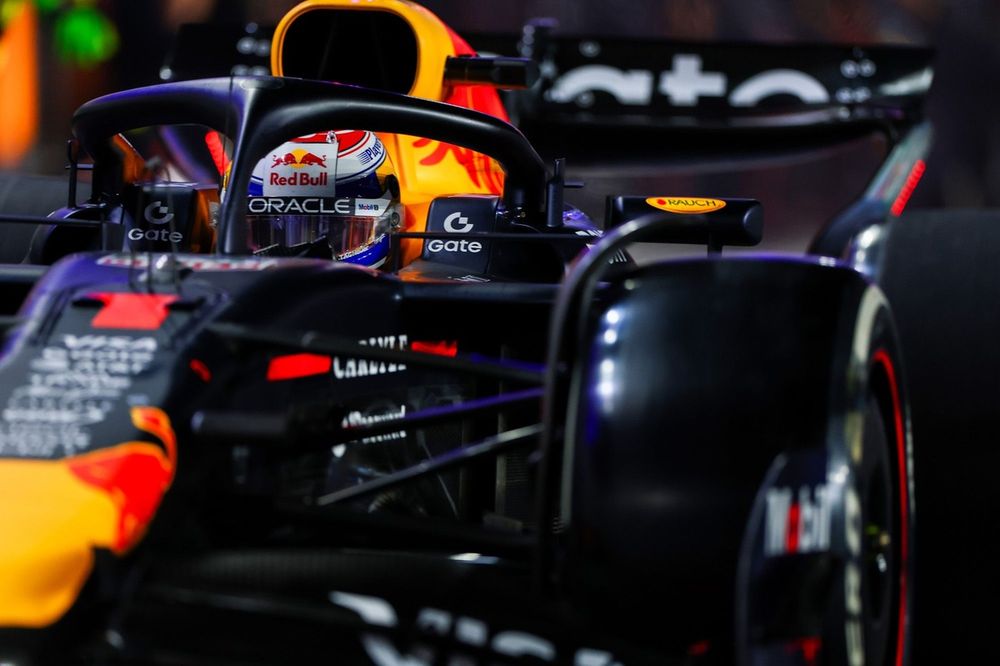
Red Bull's Qatar GP Strategy: How Hannah Schmitz Overcame Doubts to Secure Verstappen's Win
Red Bull's principal strategy engineer, Hannah Schmitz, demonstrated remarkable conviction at the Qatar Grand Prix, instructing Max Verstappen to pit during a safety car period despite McLaren's perplexing decision to keep both their cars out. This strategic masterstroke, born from pre-race planning and unwavering confidence, secured Verstappen's comfortable victory, highlighting the razor-thin margins and high-stakes decision-making inherent in Formula 1 strategy.
Red Bull's principal strategy engineer, Hannah Schmitz, has revealed how she confidently called for Max Verstappen to pit during a crucial safety car period at the Qatar Grand Prix, despite McLaren's surprising decision to keep both their cars out. This bold move ultimately paved the way for Verstappen's dominant victory.
Why it matters:
Red Bull's strategic brilliance in Qatar highlighted the critical role of timely pit stops, especially under safety car conditions. While many teams capitalized on the opportunity, McLaren's decision to stay out proved costly, underscoring how a single strategic call can dramatically alter a race's outcome and championship implications. It also showcased Schmitz's assertive leadership in the high-pressure environment of F1 strategy.
The Details:
- Safety Car Timing: A Safety Car deployed on Lap 7 after a collision between Nico Hulkenberg and Pierre Gasly. This was precisely when the two-stop strategy became viable, respecting the mandated 25-lap stint limit due to tire wear concerns on the demanding Losail track.
- Schmitz's Pre-Race Plan: Schmitz had a clear pre-race strategy: pit both Red Bull cars if a safety car occurred on Lap 7, recognizing the significant advantage of a 'cheap' pit stop under caution for a two-stop race.
- McLaren's Contrasting Decision: At the time, Oscar Piastri was leading Verstappen, with Lando Norris behind. McLaren chose not to pit either driver, a decision that baffled many, including Red Bull.
- Internal Doubt at Red Bull: As the McLarens stayed out, Schmitz faced skepticism from her colleagues, who questioned her decision to pit Verstappen. "Everyone's like, 'Are you sure? Are you sure you want to pit?' And I was like, 'Yeah, I really think so!'"
- Confirmation and Confidence: Schmitz held firm, confident in her call. Her conviction was further validated when most other teams also pitted their cars, indicating a consensus among strategists about the optimal move.
- McLaren's Potential Reasoning: Schmitz speculated that McLaren's decision might have stemmed from their 'papaya rules,' designed to ensure fairness between their drivers, or perhaps a hope to stretch their tires, which ultimately backfired.
The Big Picture:
This strategic play wasn't just about one race; it underscored the fine margins in Formula 1 where quick, confident decision-making separates winners from the rest. While Red Bull benefited from their decisive call, McLaren's hesitation, possibly driven by internal protocols or misjudgment of tire degradation, cost them valuable track position and potential podium finishes. The incident serves as a textbook example of how critical real-time strategy is, especially when unexpected race events occur.
What's next:
The Qatar Grand Prix strategy saga is a stark reminder for all teams to continuously refine their strategic frameworks and empower their strategists. McLaren, in particular, will likely review their decision-making process to avoid similar pitfalls. For Red Bull, it reinforces the value of their assertive strategy team, a key component in their ongoing dominance and title pursuits.