Red Bull’s Unconventional History of Manufacturer Partnerships
Red Bull's upcoming Ford deal continues a pattern of unconventional partnerships, spanning Ferrari power units, rebranded Renaults, and Honda collaborations throughout its F1 history.
Red Bull’s upcoming partnership with Ford for the 2026 regulations is more than just a new engine deal; it is the latest chapter in a long history of unconventional manufacturer alliances. From badging Ferrari engines as Petronas to running Renault power units under the Tag Heuer name, the team has rarely followed a traditional path.
Why it matters:
Understanding this history is key to grasping Red Bull’s unique approach to Formula 1. Unlike teams that stick to long-term, straightforward works partnerships, Red Bull has thrived on patching together complex commercial and technical arrangements. The Ford deal continues this trend, as the team will badge its own in-house developed engines with the American giant's logo.
The details:
- Early Sauber Era (1995-2001): Before entering as a constructor, Red Bull owned a stake in Sauber. The team ran Ford engines in 1995-1996 before switching to Ferrari units badged as Petronas from 1997-2001.
- The Jaguar Takeover (2005): Red Bull acquired Jaguar in 2005, initially running Cosworth engines. This marked a brief, indirect link to Ford, which had sold Cosworth just prior.
- Ferrari Interlude (2006): A one-year deal with Ferrari proved difficult due to cooling specification errors, prompting a switch to Renault.
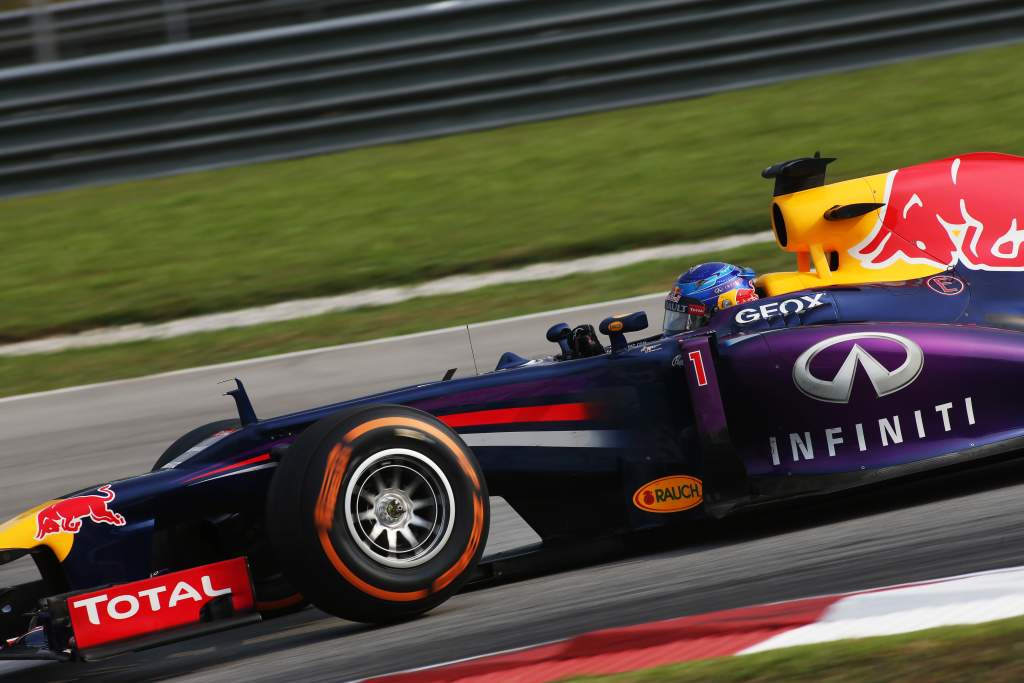
- The Renault Era (2007-2018): This 12-year partnership yielded four world titles but soured in the hybrid era. The relationship became so strained that Red Bull rebranded the engines as Tag Heuer from 2016 to 2018 to mask the Renault name.
- Honda Success (2019-2021): After a successful trial with Toro Rosso, Honda power propelled Red Bull back to the top, securing the 2021 title before Honda’s official withdrawal.
Looking Ahead:
The 2026 Ford deal represents a full circle moment. While the engines will be badged Ford, they are being developed by Red Bull Powertrains—the entity born from Honda’s exit. This arrangement highlights Red Bull’s strategy of maintaining technical independence while leveraging the marketing prestige of a global automotive brand.