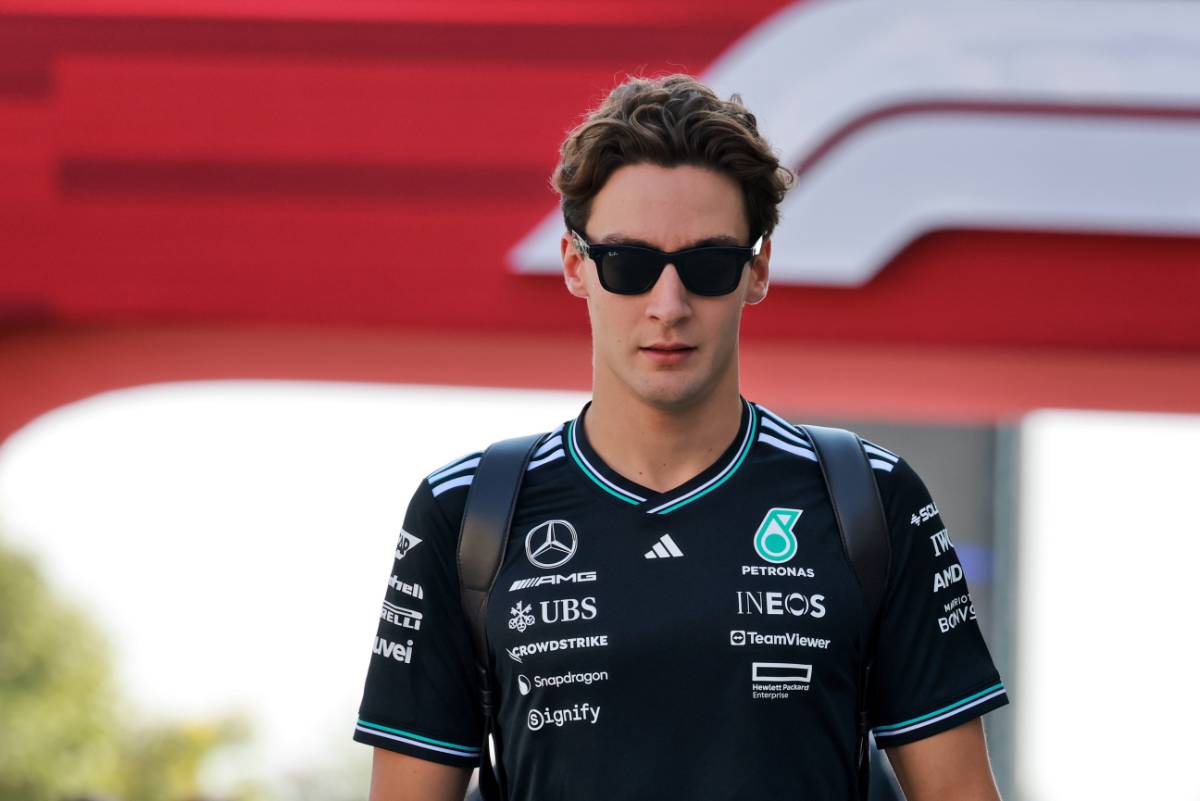
Russell Welcomes End of F1's 'Brutal' Ground-Effect Era
Mercedes driver George Russell is eagerly awaiting the end of Formula 1's ground-effect era in 2025, labeling the current cars as 'brutal' and physically taxing. He highlighted severe porpoising that impacted driver visibility and safety, expressing relief that upcoming 2026 regulations will bring a significant shift, prioritizing driver comfort and a smoother experience after years of relentless bouncing.
George Russell is looking forward to the end of Formula 1's ground-effect era in 2025, describing the current cars as physically punishing and recalling extreme porpoising issues. With new aerodynamic regulations slated for 2026, the Mercedes driver candidly explains why he won't miss this generation of F1 machinery.
Why it matters:
F1's current ground-effect regulations, introduced in 2022, brought back a design philosophy that has led to incredible performance but also significant physical discomfort and safety concerns for drivers due to persistent bouncing, known as porpoising. Russell's strong remarks highlight the less glamorous, yet crucial, aspect of driver well-being and the physical toll of modern F1 cars.
The details:
- Ahead of the Qatar Grand Prix, Russell expressed relief about the impending end of the current car regulations, calling them "brutal."
- He recounted an incident where a simulated replay of porpoising during a Baku lap was deemed too dangerous for a chief designer, illustrating the severity of the issue.
- Physical Toll: Russell described the constant shaking for an hour and a half during races, affecting his back, body, and even vision. He recalled not being able to see brake markers at the first Vegas Grand Prix due to aggressive car bouncing at 240 mph, a sentiment shared by half the grid.
- The 2022 regulations, which brought back ground-effect for downforce generation, led to widespread porpoising across the grid, prompting safety concerns and interventions from the FIA.
What's next:
The 2026 regulations are set to shift away from the floor as the primary source of downforce, moving towards an aerodynamic philosophy more akin to the pre-2022 era. This change, coupled with a focus on new hybrid powertrains, is expected to offer a smoother and more manageable experience for drivers.
- For Russell and many other drivers, this signifies not just an evolution in racing dynamics but also a welcome physical reprieve.
- The shift promises to address the long-standing complaints about the physical demands and discomfort imposed by the current generation of cars, potentially enhancing driver concentration and safety.