Seven F1 Eras Concluding at 2025 Abu Dhabi Grand Prix
The 2025 Abu Dhabi Grand Prix marks the end of seven significant eras in Formula 1, including Yuki Tsunoda's Red Bull-backed career, Sauber's long-standing presence, and the controversial DRS system. Key partnerships like Red Bull-Honda and Silverstone-Mercedes also conclude. Renault, a legendary engine manufacturer, makes its final bow. These departures pave the way for a transformative 2026 season, introducing new car regulations and strategic shifts across the grid.
The upcoming Abu Dhabi Grand Prix marks not only the end of the Formula 1 season but also the conclusion of several significant eras and partnerships. From a highly successful engine manufacturer to the long tenure of an F1 team, seven distinct chapters in F1 history are drawing to a close. This race will signify the final moments for these impactful collaborations and entities.
Why it matters:
Formula 1 is a sport of constant evolution, and the conclusion of these eras highlights the significant shifts occurring within the championship. These changes will impact team dynamics, driver careers, and the sport's technical landscape, setting the stage for a new generation of cars, power units, and team identities in 2026. Understanding these farewells provides crucial context for the future direction of F1.
The details:
- Yuki Tsunoda + F1 (2021-2025): Yuki Tsunoda's Red Bull-backed F1 career is likely ending, despite his longevity (over 100 starts) compared to many Red Bull juniors. While supported by Honda, his talent was evident, though he never achieved a podium finish. He moves to the senior Red Bull team for what will likely be a final season before his contract ends, feeling he deserved more.
- Sauber (1993-2025): The Sauber name, a constant presence in F1 since 1993, will be fully subsumed by Audi in 2026. Known for its pragmatic approach and resilience, Sauber survived Mercedes' withdrawal and BMW's departure, enduring through various ownership changes and sponsorship deals. Its legacy includes a famous win with Robert Kubica in 2008 and a strong foundation for Audi's entry.
- DRS (2011-2025): The Drag Reduction System, introduced in 2011, will be phased out. Despite its artificial nature, DRS became essential for overtaking, given increasingly high downforce and dirty air issues. It will be replaced by active aero and a 'manual override' battery power boost for 2026, marking the end of a 15-year era for this controversial but necessary aid.
- Red Bull + Honda (2019-2025): Honda's most successful F1 partnership concludes. The collaboration with Red Bull and AlphaTauri (then Toro Rosso) yielded 71 wins, four drivers' titles, and two constructors' championships. Max Verstappen's strong bond with Honda has been a defining feature. This alliance transformed both parties, making Honda a dominant force in the hybrid era.
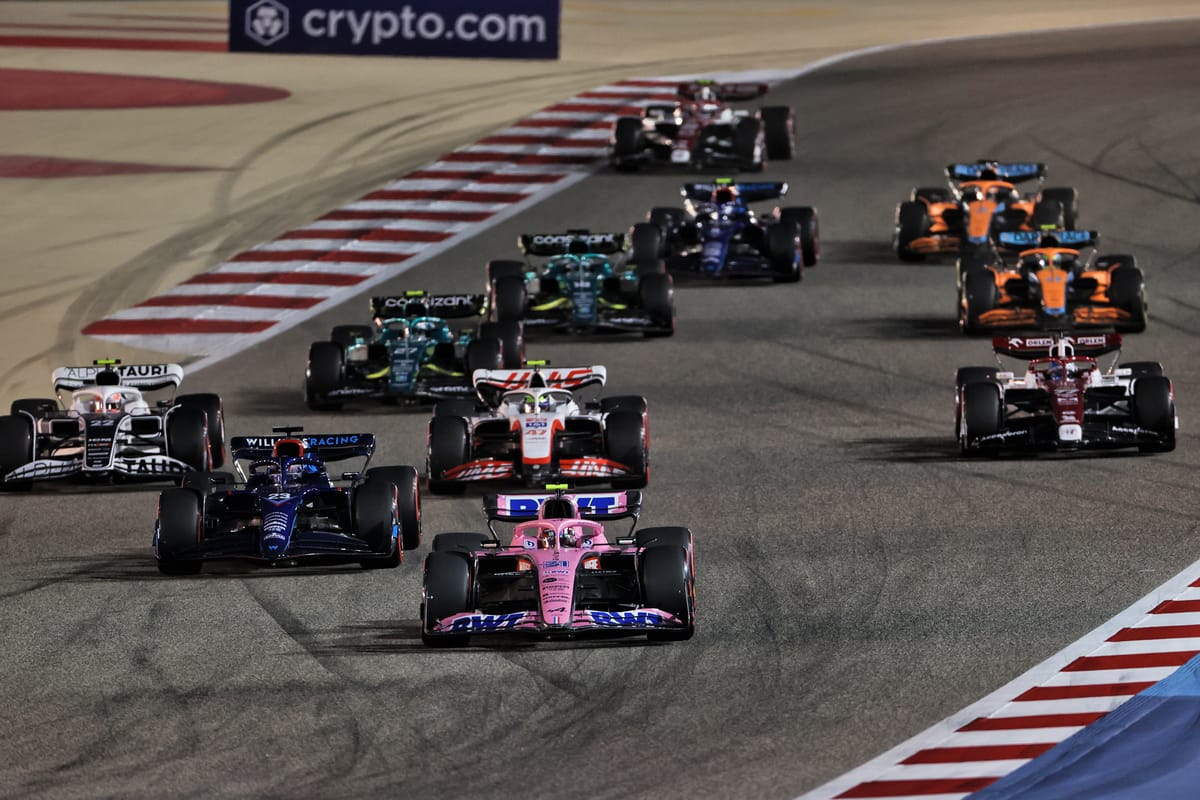
- Ground Effect F1 Cars (2022-2025): The current generation of ground-effect F1 cars, known for their weight, 'porpoising' issues, and challenging driving characteristics, will be retired. Drivers like Lewis Hamilton and Carlos Sainz expressed dislike for their handling. While offering exciting tech stories and tight midfield racing, their departure is welcomed by some who seek more engaging and less physically demanding machinery.
- 'Team Silverstone' + Mercedes (2009-2025): The 17-year engine partnership between the Silverstone-based team (Force India, Racing Point, Aston Martin) and Mercedes ends. This pioneering technical collaboration, which included engines, gearboxes, and simulator time, powered the team to numerous successes, including a race win in 2020. Aston Martin will switch to Honda power for 2026, aiming for a significant step forward, though the Mercedes engine was rarely their weak point.
- Renault F1 Engines (1977-2025): After decades of innovation and success, Renault will cease to be an F1 engine manufacturer. Introducing the V6 turbo in 1977, Renault achieved 169 wins and 12 constructors' titles across various eras, including dominant periods with Williams and Red Bull. Despite early hybrid-era struggles, its legacy as an innovator and champion engine supplier is undeniable. Alpine will switch to Mercedes power units.
What's next:
The 2025 Abu Dhabi Grand Prix serves as a pivotal transition point for Formula 1. The conclusion of these various eras foreshadows a dramatically different landscape for the 2026 season. Teams like Sauber (Audi) and Aston Martin (Honda) are set to embark on new manufacturer partnerships, while the introduction of new active aero regulations will fundamentally alter car design and racing dynamics. The sport is poised for a significant reset, with new opportunities and challenges for all involved, aiming to enhance competition and driver skill in the coming years. The future will bring fresh faces, revamped power units, and a new technical philosophy to the grid.