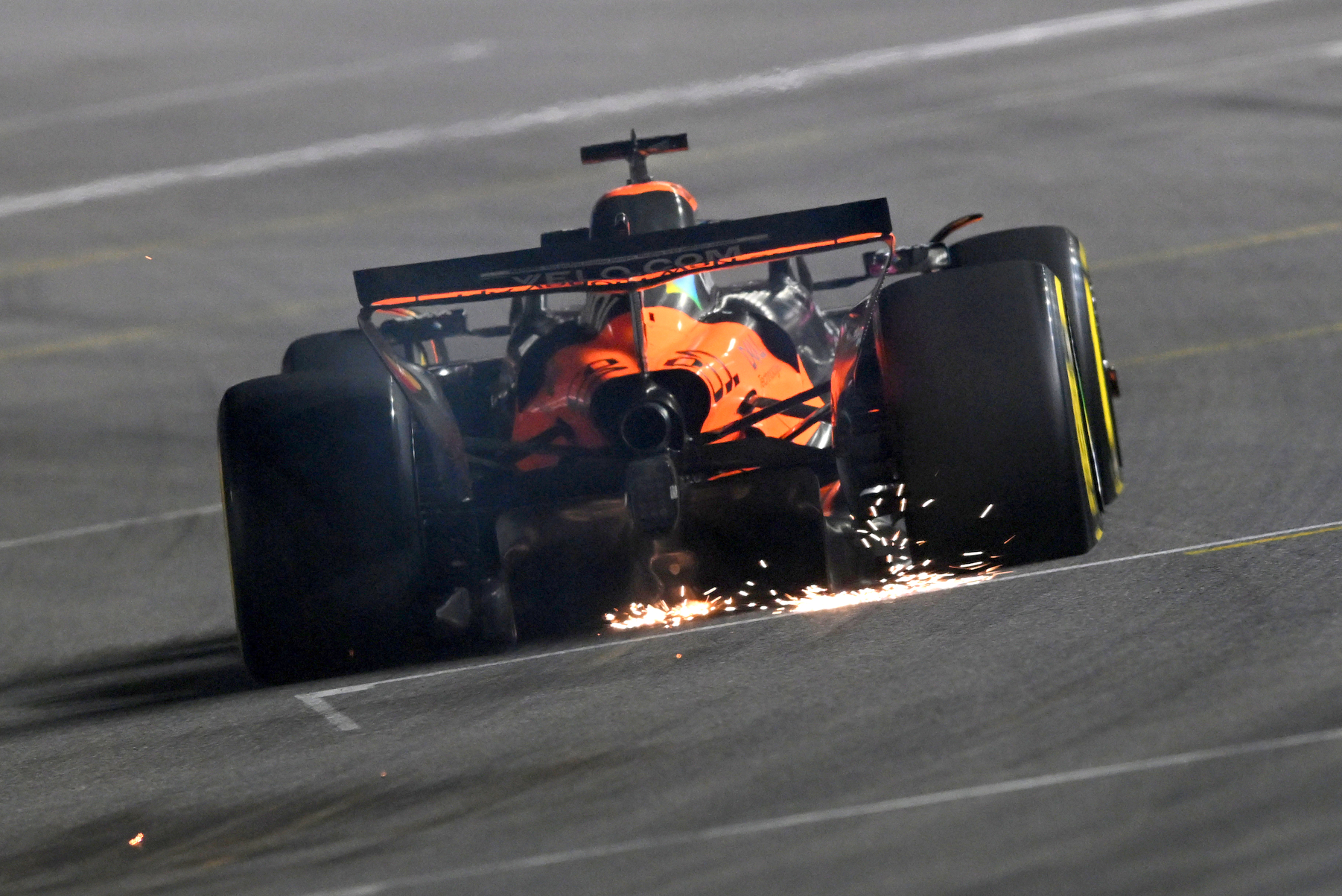
Stella Explains McLaren's Las Vegas GP Skid-Block Disqualification
McLaren team principal Andrea Stella detailed the 'unexpected' porpoising that led to both cars' disqualification at the Las Vegas Grand Prix due to excessive skid-block wear. Stella clarified that despite raising ride heights and monitoring data, the unique track conditions and car dynamics resulted in unforeseen vertical oscillations. While accepting the penalty, McLaren hopes the FIA will review the proportionality of technical infringements for minor, unintentional issues, as the team focuses on applying lessons learned to upcoming races.
McLaren's team principal Andrea Stella provided a detailed breakdown of the technical issues that led to both MCL38s being disqualified from the Las Vegas Grand Prix, confirming the root causes and the 'unexpected' dynamics behind the costly setback.
Why it matters:
McLaren's disqualification in Las Vegas, after Lando Norris finished second and Oscar Piastri fourth, dramatically tightened the Drivers' Championship, with Max Verstappen now level with Piastri and just 24 points behind Norris. Understanding the precise cause of the excessive skid-block wear is crucial for McLaren to avoid similar issues and maintain their strong season momentum in the final races.
The Details:
- Early Porpoising Alarms: From the early laps, telemetry data revealed unexpected and concerning levels of porpoising, though monitoring was more difficult on Piastri's car due to a lost sensor.
- Ineffective Mitigations: Drivers attempted remedial actions, but the car's operating window and circuit characteristics rendered most efforts insufficient to reduce the porpoising and subsequent skid-block wear.
- Practice Data Misjudgment: Stella clarified that McLaren did not take excessive setup risks. The team had actually raised the car's ride height for competitive sessions, adding a safety margin based on practice data. However, this margin was negated by the unforeseen severity of vertical oscillations.
- Unique Vegas Conditions: The team attributes the issue to the specific operating window of the car in Las Vegas and the circuit's characteristics, including bumps and temperatures, which exacerbated porpoising beyond predictions.
- FIA Verification & Regulation: McLaren verified the FIA's measurements, confirming that the skid thickness was indeed below the mandated 9mm, despite the wear being relatively minor (0.12mm for Norris, 0.26mm for Piastri) and localized.
- Questioning Proportionality: Stella highlighted the FIA's own acknowledgment that the lack of proportionality in technical penalties should be addressed, especially for minor, unintentional infringements with minimal or no performance benefit. The FIA also recognized McLaren's infringement was not deliberate.
What's next:
McLaren is confident that the lessons learned from Las Vegas regarding the car's operating window and porpoising regime will inform optimal setup plans for the upcoming races, starting with the Lusail International Circuit. The team aims to ensure Las Vegas remains an isolated incident, closing a costly chapter and preventing a repeat as the championship race intensifies.