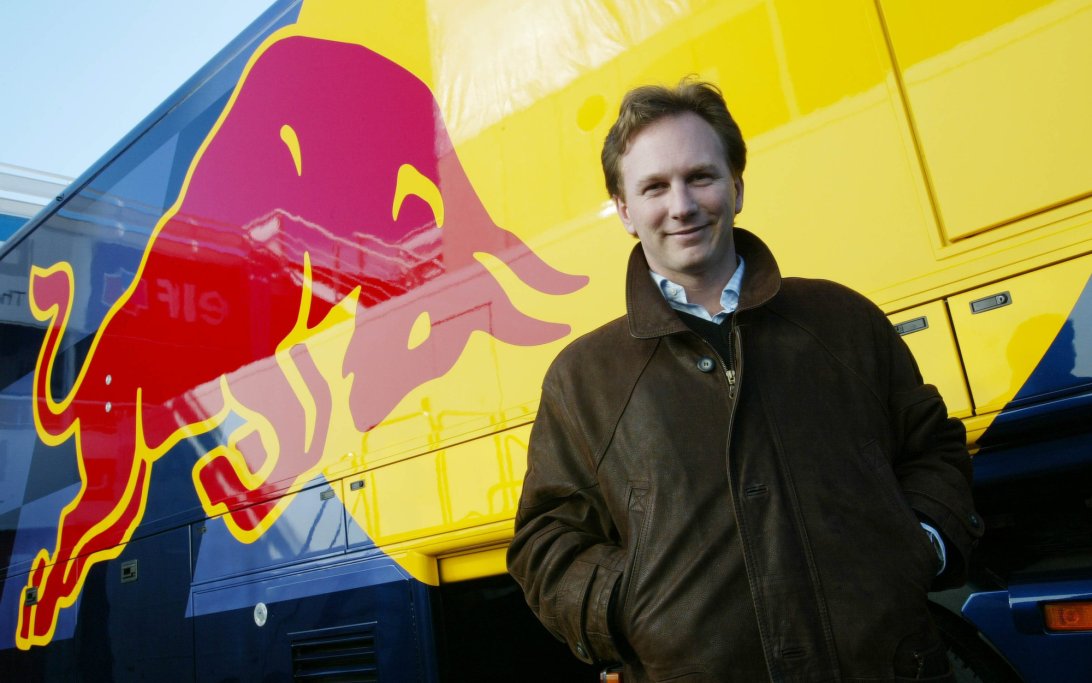
The Horner Gamble: How Red Bull's 2005 Bet Changed F1
Christian Horner's 2005 appointment transformed Red Bull from a marketing joke into an F1 powerhouse. His early success and crucial signing of Adrian Newey built the foundation for a dominant, multi-championship-winning era.
Twenty-one years ago, Christian Horner took the helm of Red Bull's fledgling F1 operation, a move met with widespread skepticism. His decisive leadership, marked by immediate on-track results and the landmark signing of Adrian Newey, transformed the team from a marketing experiment into a championship-winning dynasty, fundamentally altering the sport's competitive landscape.
Why it matters:
Horner's success proved that a non-traditional, energy drink-backed team could not only compete with but also systematically beat established automotive giants. It established a new powerhouse in F1, breaking the era of manufacturer dominance and laying the groundwork for two distinct periods of Red Bull supremacy with Sebastian Vettel and Max Verstappen.
The details:
- At just 31, Horner became F1's youngest team principal, tasked with reviving the former Jaguar team which had managed a meager nine points in the 2004 season.
- Red Bull's entry was widely dismissed as a "publicity-hungry party team" with no meaningful racing pedigree.
- Immediate Impact: Horner silenced critics immediately at the 2005 Australian Grand Prix, with drivers David Coulthard and Christian Klien finishing fourth and seventh respectively.
- The team accumulated 34 points in its debut season—nearly quadrupling Jaguar's total from the previous year.
- The Masterstroke: The pivotal moment came in November 2005 when Horner convinced legendary aerodynamicist Adrian Newey to join as chief technical officer. This move became the technical bedrock for all of Red Bull's future success.
The big picture:
Horner's initial gamble is now viewed as one of the most significant and successful team leadership appointments in modern F1 history. The foundation he built in those first critical months has directly resulted in six constructors' championships and seven drivers' titles, cementing Red Bull's status as a top-tier outfit and validating Dietrich Mateschitz's original vision.