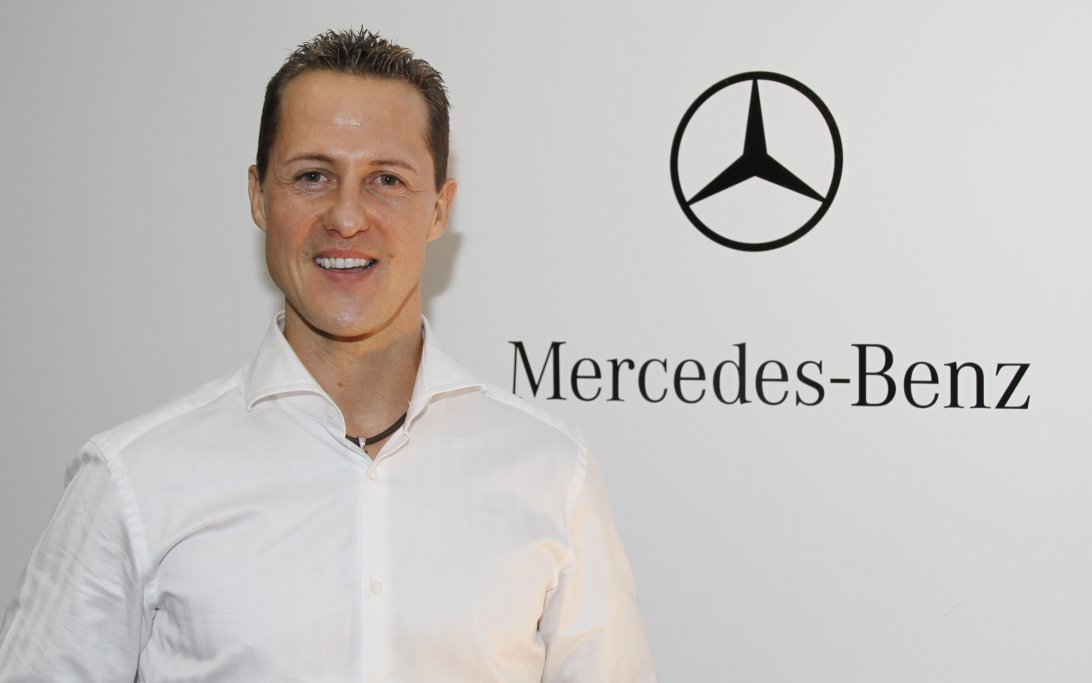
Throwback: Michael Schumacher announces shock F1 return with Mercedes
In December 2009, seven-time champion Michael Schumacher stunned the F1 world by announcing his return from retirement to drive for the new Mercedes team. Though his three-year comeback yielded no wins, it was a pivotal moment that helped establish the foundation for Mercedes' future dominance.
On December 23, 2009, Formula 1 was stunned by an announcement that reshaped the sport's immediate future: seven-time world champion Michael Schumacher would come out of retirement to race for the new Mercedes works team in 2010. At 40 years old and three years after his initial farewell, the sport's most successful driver aimed to write one final chapter, rekindling global curiosity and debate over whether his legendary dominance could be revived.
Why it matters:
Schumacher's return was a seismic moment that transcended sport, proving that even the most definitive retirements in F1 are not always permanent. It demonstrated the powerful pull of competition for iconic figures and set a precedent for future champion comebacks, while also marking a crucial strategic investment by Mercedes as it laid the groundwork for its future dynasty.
The details:
- The confirmation ended months of intense speculation following Mercedes's takeover of the championship-winning Brawn GP team, reuniting Schumacher with his former Ferrari technical chief, Ross Brawn.
- Schumacher had nearly returned months earlier as a substitute for the injured Felipe Massa at Ferrari in 2009, but a neck injury from a motorcycle accident forced him to withdraw.
- Mercedes paired Schumacher with Nico Rosberg, prioritizing the champion's experience and development skills alongside outright speed to build the new team.
- His three-year comeback yielded no victories and only one podium finish, at the 2012 European Grand Prix, as he struggled to adapt to new technical regulations, Pirelli tires, and the pace of his younger teammate.
The big picture:
Despite the modest on-track results, Schumacher's return was far from a failure in the long view. His presence provided invaluable leadership, technical feedback, and a global marketing boost that helped establish Mercedes's F1 culture. The foundations he helped build during those three years directly contributed to the team's record-breaking run of eight consecutive Constructors' Championships beginning in 2014. His comeback remains a defining 'what if' moment, a bold gamble that captured the world's imagination and proved that a champion's influence extends far beyond the podium.
What's next:
While Schumacher's second career ended in 2012, his legacy as a catalyst for Mercedes's success is secure. The episode continues to fuel speculation about whether other modern champions might attempt similar returns, keeping the door psychologically ajar for the sport's biggest stars. It stands as a permanent reminder that in Formula 1, a final farewell is never guaranteed.