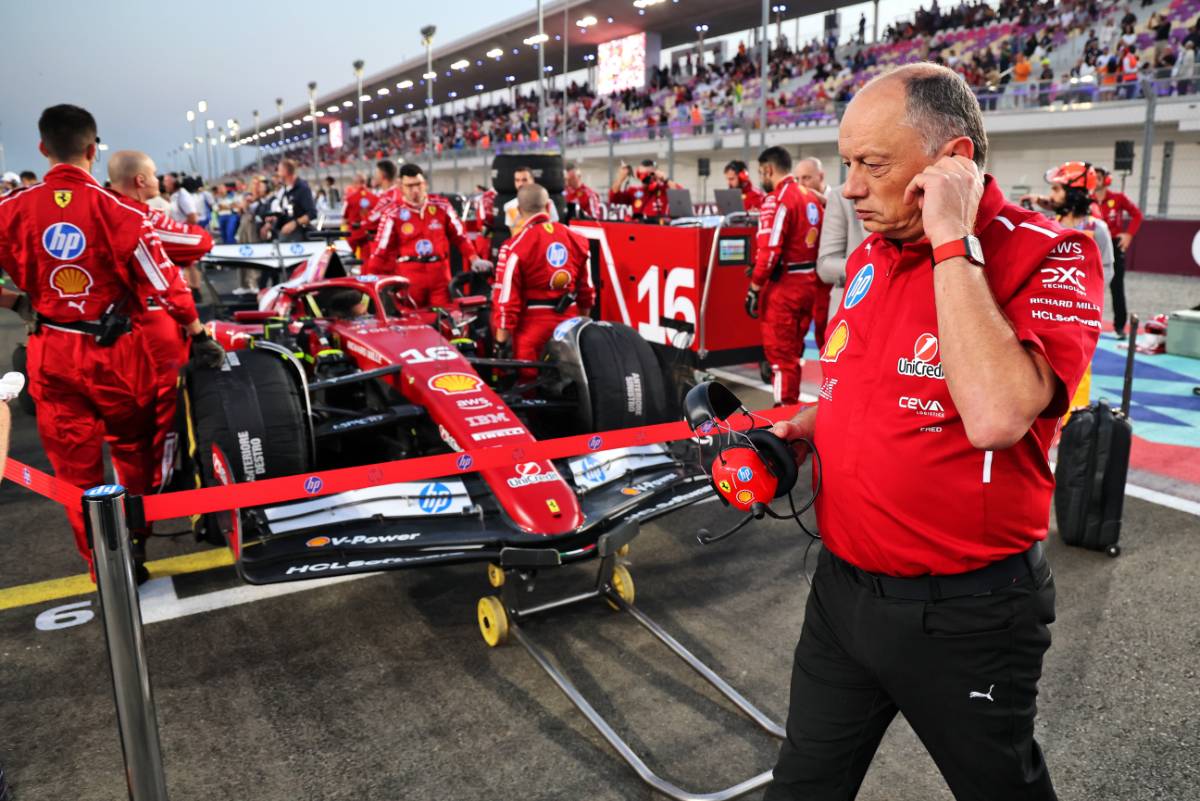
Vasseur: 2026 F1 Development Race Will Be Won by 'Clever' Timing, Not Early Upgrades
Ferrari's Fred Vasseur predicts the 2026 F1 title fight will hinge on strategic upgrade timing and cost-cap management, not just development speed. With freight costs now included in the budget, he warns that rushing parts to early flyaway races could be financially reckless, making patience and logistics key competitive advantages.
Ferrari team principal Fred Vasseur believes the 2026 Formula 1 season will be decided not by which team develops the fastest car first, but by which one is most strategic about when and where to deploy its upgrades. With radical new chassis and power unit regulations arriving, he sees logistics and cost-cap management under the new rules—which include transport expenses—as the critical factors that will separate the contenders from the also-rans.
Why it matters:
The 2026 season represents F1's most significant technical reset in a generation, promising a wide-open development race. Vasseur's insight shifts the focus from pure R&D speed to financial and logistical intelligence. A team's ability to resist the urge for early, costly upgrades at flyaway races could determine its entire season's budget and competitive trajectory, making strategic patience a new form of weapon.
The details:
- The New Budget Driver: Vasseur states the primary constraint for introducing upgrades will no longer be wind tunnel or CFD capacity but the financial cost cap. This includes the previously externalized cost of freight and logistics.
- A Logistical Minefield: The early 2026 calendar, with back-to-back races in Australia, China, and Japan, presents a major challenge. Expediting a bulky upgrade like a new floor to these locations could consume a disproportionate share of the development budget.
- Strategic Patience as a Tactic: Vasseur suggests teams may need to develop components longer in the simulator and wind tunnel, introducing them later—for example, when the circus returns to a hub like Bahrain—to avoid exorbitant freight costs.
- Distorted Early Order: This dynamic could create a misleading early pecking order, where a team with good ideas appears slow simply because it cannot afford to ship them. Smaller, easier-to-transport parts may get priority.
The big picture:
Vasseur contrasts the expected volatility of 2026 with the stable, frozen development of recent seasons. He predicts a "huge rate of development" throughout the year, similar to 2022, meaning early dominance will not guarantee season-long success. This resets the competitive landscape, offering a potential pathway for disciplined teams to climb the order as the season progresses, even if they start slowly.
What's next:
The 2026 preseason will involve intense strategic planning, with teams mapping their upgrade rollout against the calendar and freight costs. The first few races may reveal which teams have mastered this new calculus of cost versus performance. Vasseur's comments signal that Ferrari, and likely its rivals, are already gaming out these logistical battles, understanding that in the new era, smart timing could be as valuable as raw speed.