Vasseur: Cost Cap, Not Development, Will Dictate Ferrari's 2026 Upgrade Strategy
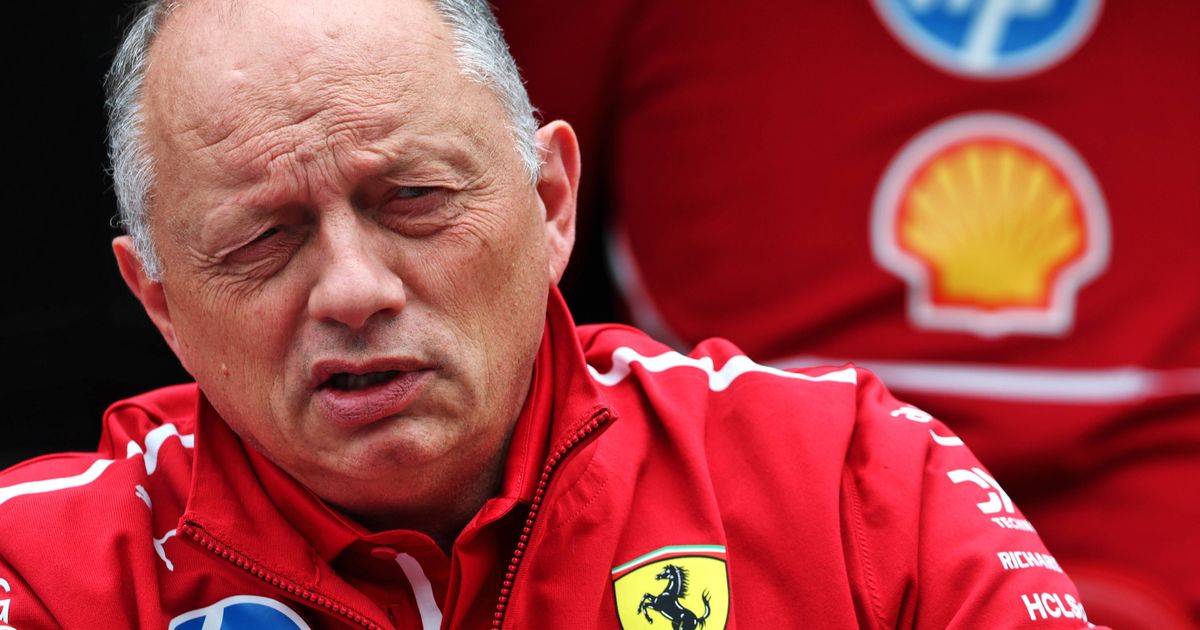
Ferrari boss Fred Vasseur says the F1 cost cap, not development speed, will dictate the team's 2026 upgrade plan. He warns that the high cost of shipping parts to flyaway races means strategic timing is crucial to avoid wasting the budget.
Ferrari team principal Fred Vasseur has outlined that the primary constraint for the team's 2026 upgrade strategy will be the financial cost cap, not its technical development capacity. He emphasized that logistical costs, especially for flyaway races, will force the team to be "clever" in planning when and where to introduce new parts to avoid breaching the budget.
Why it matters:
The cost cap has fundamentally shifted the competitive paradigm in Formula 1 from a pure arms race of development speed to a strategic resource management challenge. Vasseur's comments highlight that the most efficient team with its budget, not necessarily the fastest in the wind tunnel, could gain a critical advantage, especially in a pivotal season like 2026 with new regulations.
The details:
- Vasseur stated the "driver of the introduction of upgrades will be the cost cap," marking a clear shift in priority from pure R&D speed to financial discipline.
- He highlighted the prohibitive cost of logistics, noting that sending a major upgrade like a new floor to a distant race like Japan or China could consume "half of your development budget."
- This necessitates a strategic rollout plan, potentially delaying upgrades until races with easier logistics, like a return to Bahrain, to save significant funds.
- The 2026 cost cap is set at $215 million, a figure that accounts for inflation but does not provide extra spending luxury, according to Vasseur.
The big picture:
Ferrari's approach reflects a mature understanding of the modern F1 landscape. While all teams operate under the same financial limit, optimizing the correlation between wind tunnel gains, part production costs, and freight expenses is now a key performance differentiator. A misstep in this calculus could leave performance on the table or risk a budget breach.
What's next:
Ferrari will need to balance aggressive development for the new 2026 car with a meticulously planned in-season upgrade schedule. Vasseur indicated the team will assess this "day by day," weighing wind tunnel progress against the cost of turning that data into track-ready parts and delivering them globally. Their ability to execute this financial and logistical puzzle will be a major factor in their 2026 competitiveness.