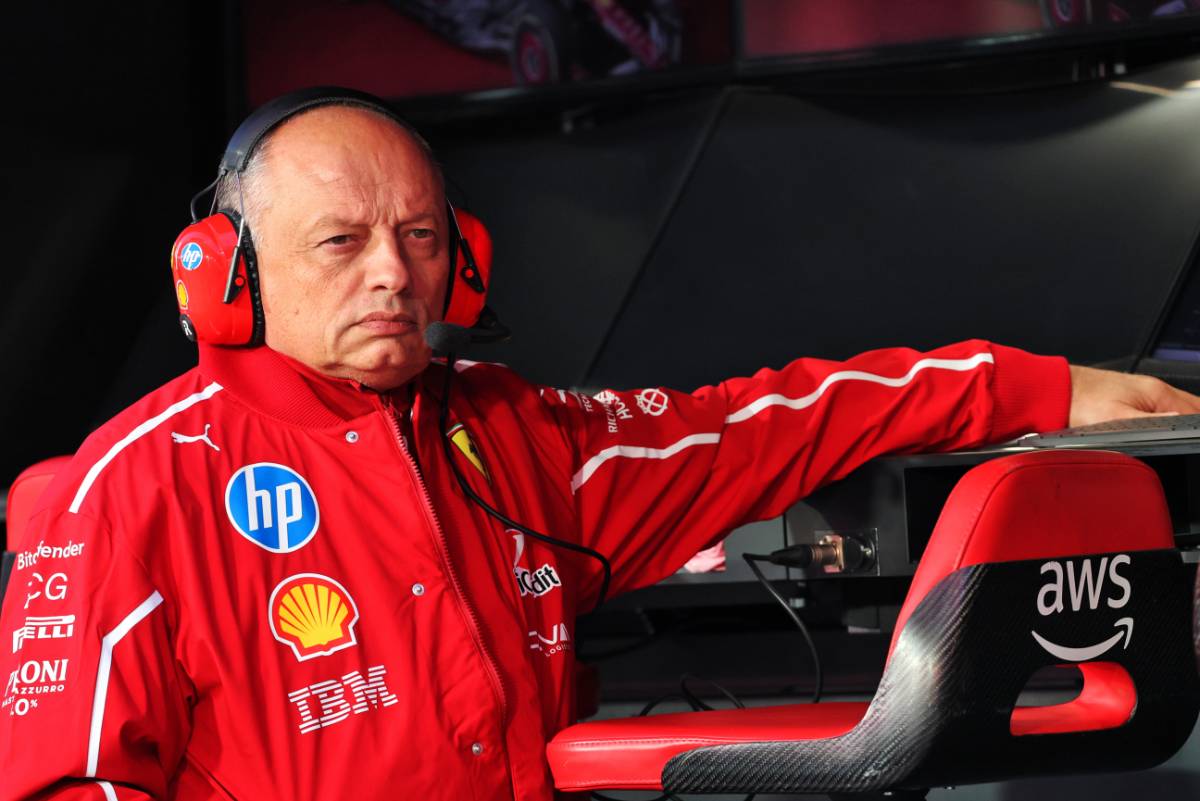
Vasseur Explains Ferrari's Early Shift to 2026 Car Development
Ferrari Team Principal Fred Vasseur revealed the Scuderia made a strategic decision in April to shift its aerodynamic development focus to the 2026 car. This move, influenced by McLaren's early-season dominance and Ferrari's own struggles, prioritizes long-term competitiveness under new regulations over immediate 2025 results. Vasseur emphasized that this tough call, though psychologically challenging, was a unified team decision aimed at optimizing resources for future success.
Ferrari's 2025 season has been marked by strategic sacrifices, with team principal Fred Vasseur revealing the Scuderia made an early decision to shift its aerodynamic development focus to the 2026 car back in April. This bold move, prompted by McLaren's strong performance, aimed to prioritize long-term competitiveness under new regulations.
Why it matters:
After a challenging start to 2025 and facing McLaren's dominance, Ferrari's early shift to 2026 car development signals a major strategic gamble. This decision prioritizes future championship contention over the current season's immediate results, reflecting a calculated effort to optimize resources for the significant regulatory changes expected in 2026. If successful, it could fundamentally reshape Ferrari's competitive standing in Formula 1.
The details:
- Early Decision: Ferrari decided to switch its development focus to the 2026 car as early as the end of April, a move driven by a challenging start to the 2025 season and McLaren's strong performance.
- Performance Gap: Vasseur noted early-season struggles, including a double disqualification in China, which cost valuable points and highlighted the difficulty of catching dominant competitors like McLaren.
- Psychological Impact: The decision was psychologically tough for the team, as it meant continuing a season with 18 to 20 races remaining without significant aero development. Vasseur admitted he might have underestimated this aspect.
- Continued Development: Despite the halt in aerodynamic upgrades, Ferrari continued to push on other fronts, bringing mechanical upgrades and focusing on operational improvements. This maintained the team's competitive drive where possible.
- Team Alignment: Vasseur emphasized that the decision was a collective one, fully supported by both Charles Leclerc and incoming driver Lewis Hamilton, highlighting a unified team approach towards future goals.
- Resource Allocation: With finite wind tunnel resources, the team opted to concentrate them on the 2026 project, while still developing the mechanical aspects of the 2025 car.
The big picture:
Ferrari currently sits fourth in the Constructors' Championship, 13 points behind Red Bull. The strategic shift to 2026 development indicates a clear recognition that 2025's championship hopes were waning. By sacrificing short-term gains, Ferrari is banking on a stronger foundation for the new era of regulations, aiming to be a frontrunner rather than playing catch-up. This proactive approach underscores the team's commitment to returning to the pinnacle of F1, a goal that requires bold decisions and unwavering focus.
What's next:
The success of this early strategic shift will only be evident with the debut of the 2026 car. If Ferrari's gamble pays off, the team could be in a significantly stronger position when the new regulations come into effect. The immediate challenge is to maintain motivation and performance in the remaining races of 2025 while laying crucial groundwork for the future, ensuring the team's reaction to tough sessions translates into a strong contender for 2026 and beyond.