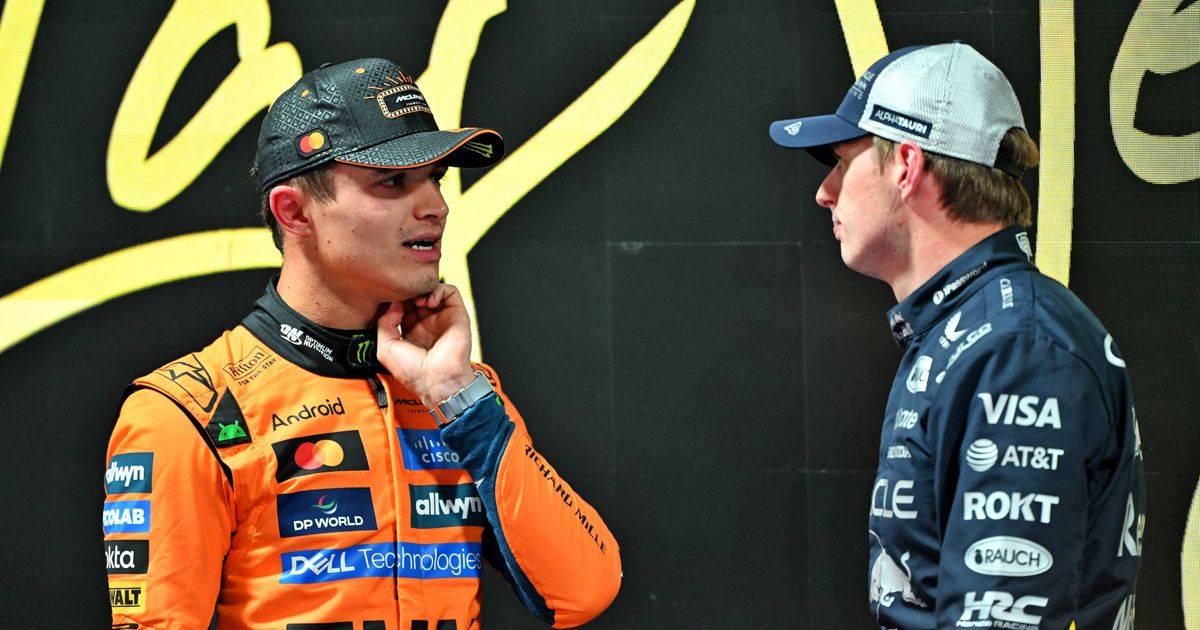
Verstappen and Red Bull May Have Led to McLaren's Vegas Disqualification
McLaren's double disqualification in Las Vegas for illegal plank wear on Lando Norris and Oscar Piastri's cars may have stemmed from an overly aggressive setup aimed at countering Max Verstappen and Red Bull. This incident underscores the intense pressure on F1 teams to push performance limits, raising questions about McLaren's strategy for upcoming races.
McLaren's double disqualification from the Las Vegas Grand Prix, due to illegal plank wear on Lando Norris and Oscar Piastri's cars, may have been a direct consequence of the team's aggressive setup strategy in response to the perceived threat from Max Verstappen and Red Bull Racing.
Why it matters:
McLaren's disqualification in Las Vegas comes at a critical juncture in the championship, potentially costing Lando Norris crucial points in his pursuit of a top position. This incident highlights the extreme pressures teams face to extract every ounce of performance, often pushing the boundaries of regulations, especially when confronting dominant rivals like Red Bull Racing.
The Details:
- Illegal Plank Wear: Both Lando Norris's and Oscar Piastri's cars were found to have excessive plank wear. Norris's car exceeded the limit by 0.12 millimeters, while Piastri's was 0.26 millimeters over the allowed tolerance.
- Team's Response: McLaren team principal Andrea Stella stated the team's actions were 'unintentional' and 'no deliberate attempt to circumvent the regulations.' However, the fact remains that the cars were set too low.
- Aerodynamic Advantage: Cars are typically set as low as possible to the ground to maximize downforce, which generally leads to faster lap times. This aggressive setup often comes with the risk of increased plank wear, particularly on bumpy circuits or during specific race conditions.
- Rival Comparison: The fact that eight other rival F1 cars did not show excessive wear suggests McLaren's setup was uniquely aggressive compared to the rest of the field.
Between the lines:
It is speculated that McLaren's decision to run such an extreme ride height was a direct response to the formidable pace of Max Verstappen and Red Bull. Facing a team that has been consistently dominant, McLaren might have felt compelled to take a significant gamble to compete, even if it meant pushing the absolute limits of legality and mechanical stress on the car.
What's next:
The ramifications of this disqualification will likely be felt in the upcoming Grands Prix in Qatar and Abu Dhabi. McLaren will face a crucial decision:
- Adjusting Setup: Will they be forced to raise their cars' ride height, potentially sacrificing performance but ensuring compliance?
- One-off Incident: Or was this truly a unique incident specific to the demands of the Las Vegas street circuit, allowing them to maintain their aggressive setups elsewhere?
The resolution of this strategic dilemma will be an intriguing factor in the final phase of what has been an intense and legendary season, especially as teams continue to battle for championship positions.