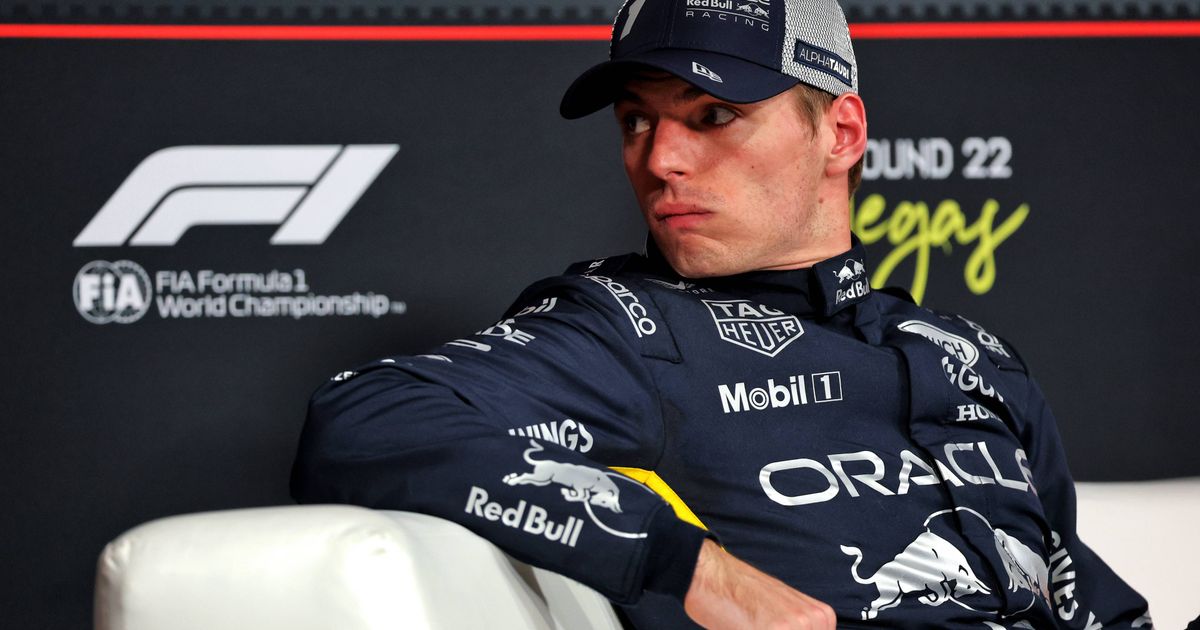
Verstappen on Slippery Vegas Track: 'Everyone Was Scared'
Max Verstappen criticized the Las Vegas Grand Prix track, calling it "super slippery" and "like ice," despite his usual enjoyment of wet conditions. He noted drivers were unusually cautious during qualifying, a sentiment echoed by pole-sitter Lando Norris, who admitted a near-miss. These comments highlight significant concerns about the track's conditions, raising questions for future events.
Max Verstappen didn't mince words about the track conditions at the Las Vegas Grand Prix, describing them as “super slippery” and “like ice.” The Red Bull Racing driver, despite his usual fondness for wet-weather driving, found the experience "a little bit too much." He noted that drivers had to be extremely cautious during qualifying, expressing surprise at the minimal number of incidents. McLaren's Lando Norris, who secured pole, echoed Verstappen's sentiments, admitting he nearly hit the wall and called the conditions “not the nicest.” The qualifying session was heavily impacted by weather, forcing teams to use wet and intermediate tires, yet Verstappen managed a front-row start.
Why it matters:
The Las Vegas Grand Prix's debut was highly anticipated, but challenging track conditions, as highlighted by top drivers like Verstappen and Norris, raise questions about its suitability and safety. Driver feedback on grip and slipperiness directly impacts race quality and could influence future track modifications or event planning, ensuring a safer and more competitive spectacle in the future.
The details:
- Extreme Slipperiness: Verstappen stated the track felt “like ice” and was “super slippery,” making it "not a lot of fun to drive." He typically enjoys wet conditions, but found this instance excessive.
- Driver Caution: He noted that drivers were “super careful” during qualifying, and was surprised by the low number of incidents, attributing it to either good behavior or fear among competitors.
- Qualifying Challenges: The session saw drivers use extreme wet tires for Q1 and Q2, then intermediates for Q3, indicating severe weather impact. Verstappen mentioned the difficulty of doing a clean lap due to yellow flags, lock-ups, and even 360-degree spins, yet he avoided major drama to secure a front-row start.
- Norris's Agreement: Lando Norris, who took pole position, corroborated Verstappen's assessment, confirming the track's slippery nature and revealing a near-miss with the wall.
The big picture:
The inaugural Las Vegas Grand Prix was a massive event for Formula 1, aiming to capture a new audience. While the glitz and glamour were prominent, the safety and driveability of the track, especially under adverse conditions, are crucial for its long-term success. The feedback from top drivers like Verstappen and Norris provides critical insights that F1 and circuit organizers must address to solidify the Grand Prix's reputation as a top-tier racing event, not just a spectacle.
What's next:
Organizers will likely review driver feedback and track data from this inaugural event, particularly concerning surface grip and drainage. Future Grand Prix events in Las Vegas may see adjustments to the track surface or safety protocols to enhance driver confidence and improve race conditions, ensuring a more favorable and less "scary" experience for competitors in the coming years.