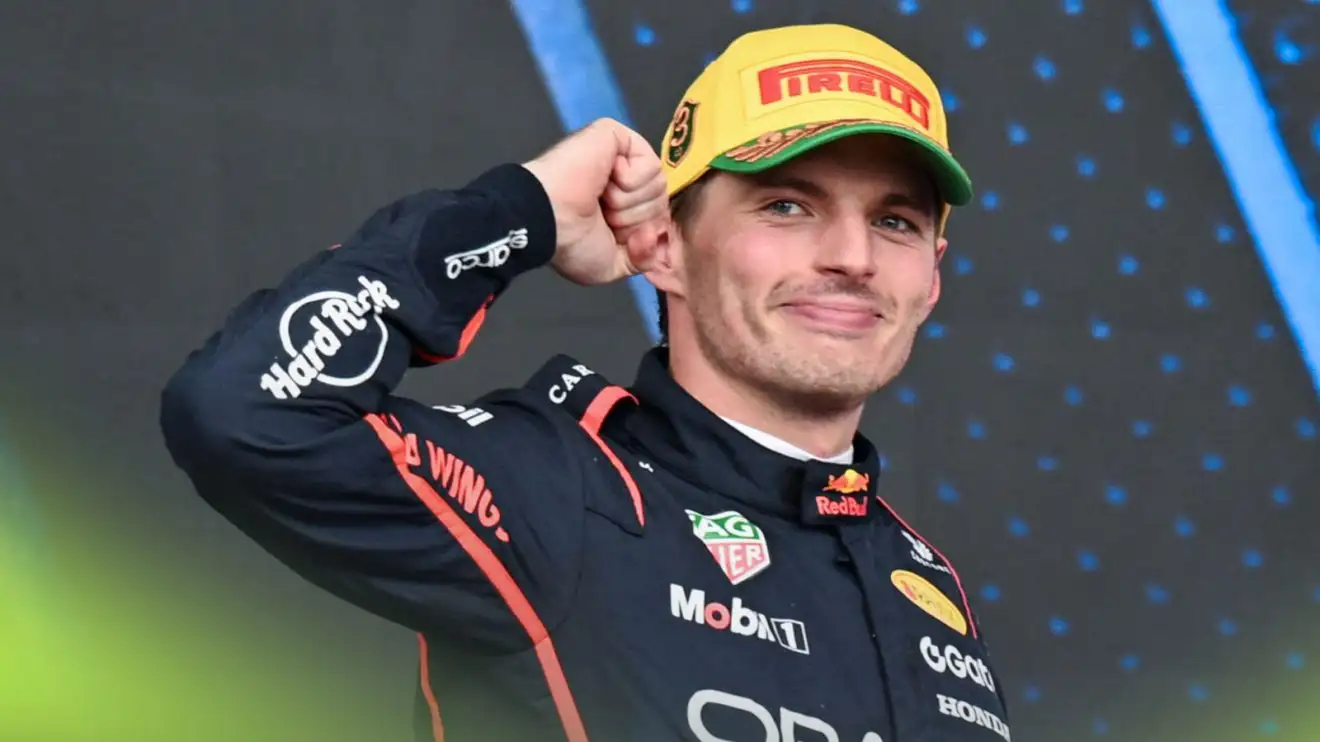
Verstappen's "Laughter" at McLaren's Bold Challenge to Norris in Vegas
Max Verstappen found McLaren's radio message to Lando Norris in Las Vegas – "come and get Max" – humorous and highly motivating. This bold challenge only spurred him on, as he extended his lead against Norris, who struggled with an undisclosed issue. Verstappen's dominant performance highlights his ability to turn rivals' ambitious calls into further inspiration, showcasing his unyielding competitive spirit.
Max Verstappen found extra motivation from McLaren's audacious "come and get him" message to Lando Norris during the Las Vegas Grand Prix, a challenge he met with a chuckle and dominant performance.
Why it matters:
Max Verstappen's seemingly impenetrable dominance often relies on his own internal drive, but external challenges, especially from rivals like McLaren, clearly fuel his competitive fire. McLaren's confident radio call to Lando Norris in Las Vegas — "get Max" — provided Verstappen with all the inspiration he needed, solidifying his lead and showcasing his ability to convert rival's boasts into personal motivation.
The Details:
- Aggressive Start: Verstappen, starting second, quickly took the lead after Lando Norris's aggressive but ultimately unsuccessful lunge into Turn 1 pushed him wide, allowing Verstappen to seize the advantage.
- McLaren's Challenge: On Lap 35, after Norris overtook George Russell, McLaren's pit wall emphatically told Norris, "Overtake, we want to go get Max," a message that was relayed to Verstappen.
- Verstappen's Reaction: Verstappen openly admitted he "laughed" at the message, stating it only motivated him further. "It only works adversely," he told Viaplay. "It only motivates me to defend even harder."
- Performance Disparity: Despite McLaren's rallying cry, Norris, facing an undisclosed 'mystery issue' (later analyzed as a potential fuel critical situation), consistently lost time to Verstappen, with the gap growing from five seconds to over 20 seconds within 15 laps.
- Tyre Management: Verstappen highlighted his strategic tyre management, avoiding aggressive pushes while others behind him battled fiercely, which allowed his tyres to "heal well" and maintain consistent pace.
Between the lines:
Verstappen's response to McLaren's radio message reveals a psychological edge that often goes unnoticed. Rather than being intimidated, he weaponized it as a motivator. This incident underscores his ability to thrive under pressure and turn perceived challenges into opportunities to assert his dominance, a characteristic of all true champions.
What's next:
With two Grands Prix and one Sprint remaining, Verstappen continues his dominant run, aiming to maximize every weekend. The Las Vegas win, despite the rival's challenge, further cements his status. Looking ahead to next season, this type of psychological warfare could become an even more prominent feature as teams like McLaren strive to close the gap and truly challenge the reigning champion, potentially sparking more captivating on-track and off-track rivalries.