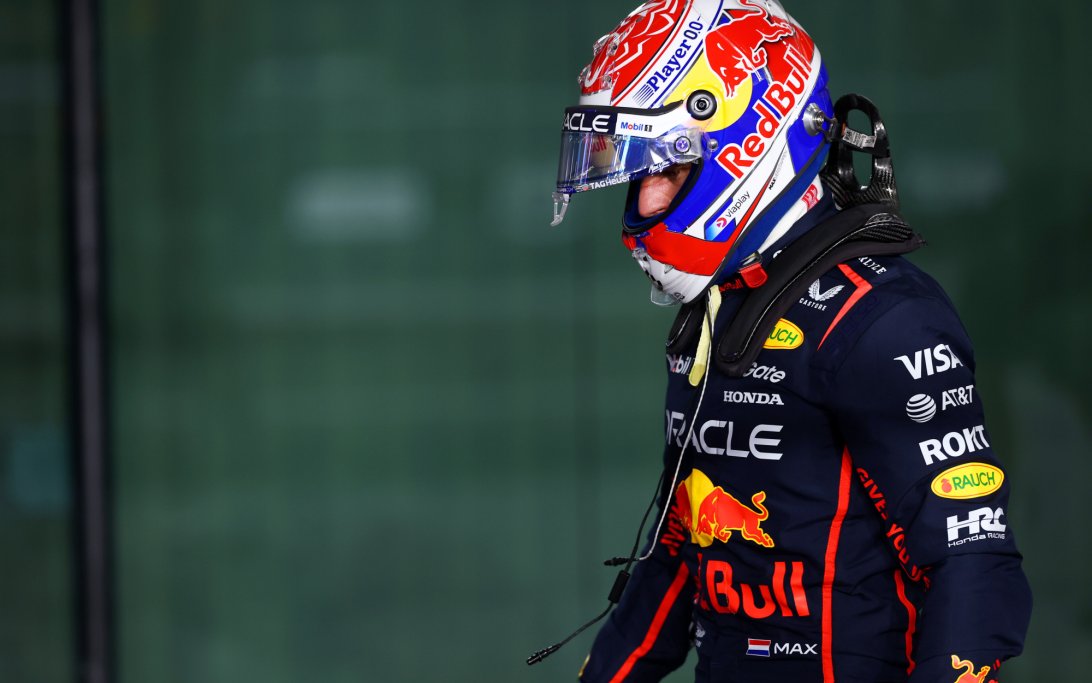
Verstappen's Qatar Sprint Qualifying Damage: A Rare Red Bull Setback
Max Verstappen's Qatar Sprint qualifying was compromised by a rare Red Bull mistake, resulting in significant floor damage to his RB19. An off-track excursion in SQ3 at Turn 4 led to a damaged t-tray, a critical aerodynamic component, impacting his car's ground effect. Starting sixth, this incident highlights the fine margins in F1, even for a dominant champion.
Max Verstappen's Qatar Grand Prix Sprint qualifying was marred by a rare Red Bull error, leading to significant floor damage that compromised his performance. Starting sixth, behind teammate Sergio Perez for the first time all season, Verstappen's off-track excursion in SQ3 proved costly, hindering his challenge against front-runners Oscar Piastri and Lando Norris.
Why it matters:
Max Verstappen's uncharacteristic mistake and subsequent car damage during Sprint qualifying in Qatar highlight the razor-thin margins in Formula 1. Even for a dominant driver and team like Red Bull, a single error can drastically impact performance, shifting the competitive dynamic and offering rivals a rare opportunity to capitalize. This incident underscores the critical importance of every detail in F1, from driver precision to aerodynamic integrity.
The Details:
- SQ3 Incident: During his first run in SQ3, Verstappen went wide at Turn 4, sliding through the gravel. He described his car as "bouncing like an idiot" after the excursion.
- Critical Damage: Post-session analysis by Viaplay revealed damage to a crucial part of his car's floor – specifically, the t-tray at the front. This component is vital as it's the first point where airflow hits the underside of the car, directing air to the rear and generating ground effect.
- Aerodynamic Impact: The t-tray is a critical aerodynamic tool. Damage to this area, and potentially further under the floor, significantly disrupts the car's ability to create optimal ground effects, which are essential for performance and downforce.
- Performance Implications: Running the car as low as possible to the ground is key for maximizing ground effect. With the damage, Verstappen's car likely lost considerable aerodynamic efficiency, impacting its stability and speed. He even predicted a potential backward slide during the 19-lap Sprint race, reflecting the severity of the issue.
Looking Ahead:
While a single Sprint race setback is unlikely to derail Verstappen's championship charge, this incident serves as a crucial reminder that even the most dominant teams and drivers are susceptible to errors and their consequences. Red Bull will be keen to address the damage and understand the precise impact on the car's performance to ensure a stronger showing in the main Grand Prix. The event offers a rare glimpse into the vulnerabilities that can emerge, even for a team operating at the peak of its powers.