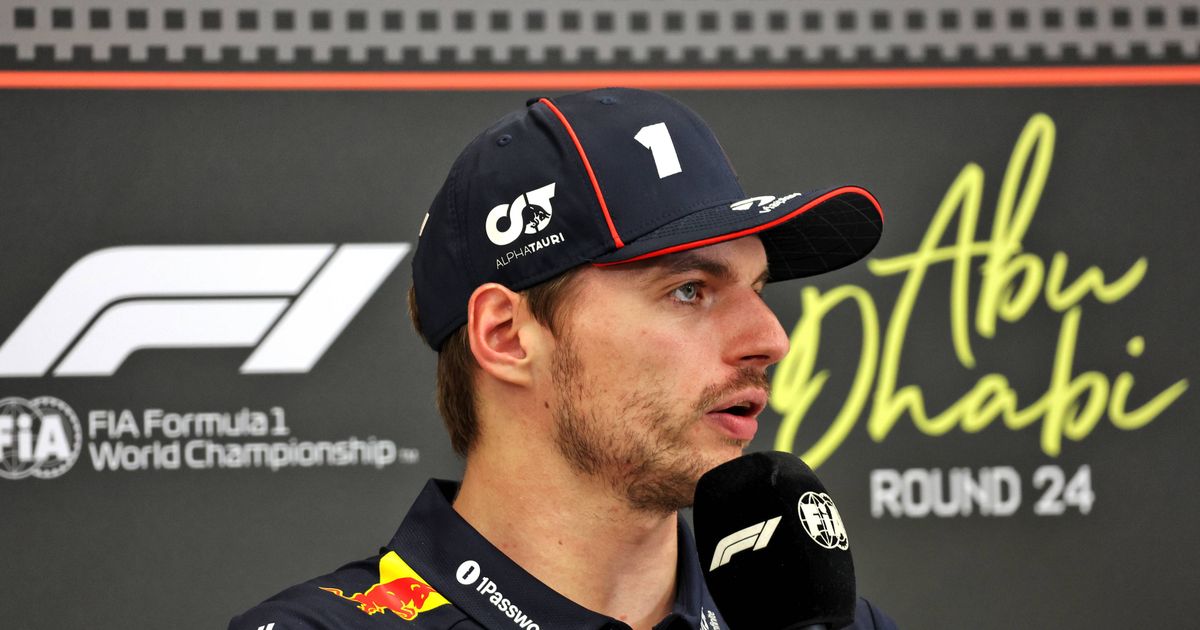
Villeneuve dismisses 'car built for Verstappen' theory, credits driver's unique skill
Jacques Villeneuve rejects the idea that Red Bull's car is built solely for Max Verstappen. He argues Verstappen's dominance stems from a unique ability to continuously understand and develop the car's setup throughout a season, making himself faster while teammates struggle to keep up with the evolving machine.
Jacques Villeneuve has challenged the popular narrative that Red Bull's car is specifically tailored to Max Verstappen, arguing instead that the Dutchman possesses a rare ability to continuously develop both the car and his own performance throughout a season, leaving teammates behind.
Why it matters:
This perspective reframes the discussion around Verstappen's dominance and the struggles of his teammates. It shifts the focus from car design philosophy to driver skill—specifically, the cognitive and technical ability to understand and evolve with a complex machine over time. This skill may be a key differentiator between a great driver and a generational talent.
The details:
- Villeneuve directly counters the "poor second driver" sentiment, stating, "Actually, no. Max is working on it, making the car better and better."
- He explains that the performance gap widens not because the teammate gets slower, but because Verstappen gets "faster and faster" by comprehending and refining the car's setup.
- The 1997 World Champion uses Sergio Perez's annual trajectory as a prime example: starting seasons competitively before being outpaced as Verstappen's understanding deepens.
- Villeneuve identifies the ultimate goal as reaching a state where "the car becomes an extension of your body, and you don't have to think about it anymore."
Between the lines:
Villeneuve's analysis highlights a subtle but critical aspect of Formula 1 success that extends beyond pure lap speed. It involves a driver's engineering feedback, capacity for incremental learning, and ability to synergize with their team's development direction. This creates a compounding advantage that is difficult for a teammate to match unless they possess a similar skill set, which Villeneuve suggests is rare.
What's next:
This framework will be tested as Red Bull evaluates its driver lineup for the future. It places a premium on finding a second driver who can not only match Verstappen's initial pace but also engage in the same relentless developmental dialogue with the car. The performance of drivers like Yuki Tsunoda or a potential promotion for Liam Lawson will be scrutinized through this lens—can they grow with the car, or will they fall into the same pattern as their predecessors?