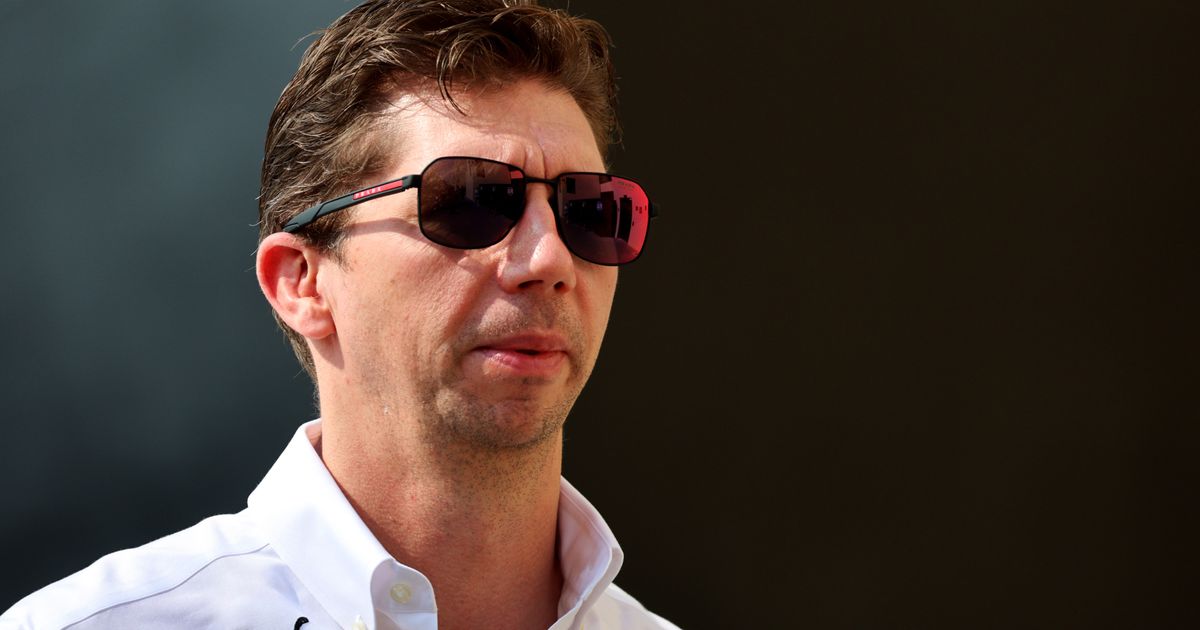
Vowles dismisses Mercedes 2026 favorite tag as rival 'narrative'
Williams boss James Vowles rejects the idea that Mercedes is the clear favorite for F1's 2026 rules reset, calling it a 'narrative' pushed by rivals. He believes Ferrari and Honda are too strong for a repeat of Mercedes' past dominance and sets realistic goals for Williams' own progress.
Williams team principal James Vowles has dismissed the widespread prediction that Mercedes will dominate Formula 1 from 2026, suggesting the 'favorite' label is a strategic "narrative" being pushed by rival teams to influence regulation discussions. He argues that with Ferrari, Honda, and others all producing competitive power units, a repeat of Mercedes' 2014-2021 supremacy is highly unlikely.
Why it matters:
The debate over the 2026 pecking order is more than just speculation; it's a high-stakes psychological and political battle. By challenging the dominant narrative, Vowles highlights the increased competitiveness of the current engine manufacturers and aims to temper expectations for his own team, which relies on Mercedes power. This framing could influence how teams, the media, and even the FIA perceive the upcoming regulation cycle.
The details:
Vowles made his comments in Abu Dhabi, directly addressing the growing consensus that Mercedes holds a significant advantage for the 2026 rules reset. He pointedly suggested the narrative originated from "one team and PU manufacturer trying to create a narrative to make some changes," implying a tactical move within the sport's complex political landscape. The Williams boss expressed strong confidence in the work of rival manufacturers, specifically praising Ferrari's consistent performance and labeling Honda's current power unit as a "benchmark." He emphasized that years of development work on the 2026 engines are already underway across the board, with Williams having collaborated closely with Mercedes since early 2024.
The big picture:
Vowles' perspective underscores a fundamental shift since the last major regulation change in 2014. The engine development gap between manufacturers has narrowed considerably, making a single-team runaway victory far less probable. His comments also serve to manage Williams' own ambitions, stating that a repeat of their 2025 'best of the rest' fourth-place finish would be "aspirational," with steady year-on-year progress being the more sensible goal. This pragmatic outlook reflects the team's long-term rebuilding phase under his leadership.
What's next:
The true performance hierarchy for 2026 will remain unknown until the cars hit the track. However, the early narrative war indicates that all manufacturers are entering this new era with serious intent. Mercedes, while undoubtedly a strong contender, will face stiff competition from revitalized programs at Ferrari and a Honda unit that has proven its worth with Red Bull. The coming months will see increased scrutiny on all 2026 projects, with any early reliability or performance rumors likely to fuel further speculation and counter-narratives within the paddock.