What Derailed Yuki Tsunoda's Red Bull F1 Career?
Yuki Tsunoda's Red Bull F1 career will end after 22 Grands Prix, largely due to a critical crash at Imola five races in that shattered his confidence and derailed his early momentum. Despite showing initial promise and some recovery after receiving car upgrades, he struggled with consistency and couldn't close the performance gap to Max Verstappen enough to secure his seat for 2026.
Yuki Tsunoda's Red Bull Formula 1 career is set to conclude after 22 Grands Prix, a trajectory largely impacted by a pivotal mistake just five races into his tenure. Despite a reasonable start, his early momentum was severely disrupted by an Imola crash, leading to a significant dip in confidence and performance from which he struggled to fully recover, ultimately costing him a seat for 2026.
Why it matters:
Yuki Tsunoda's departure highlights the immense pressure and unforgiving nature of a Red Bull seat. His story underscores how a single significant error can derail a promising start, especially when competing against a benchmark like Max Verstappen. This outcome also sets the stage for a new driver to join Red Bull, potentially reshaping team dynamics and future performance.
The details:
- Promising Start: Tsunoda was initially more competitive than expected, scoring points early and making Q3 three times in his first four weekends, demonstrating a raw pace roughly three-tenths off Verstappen.
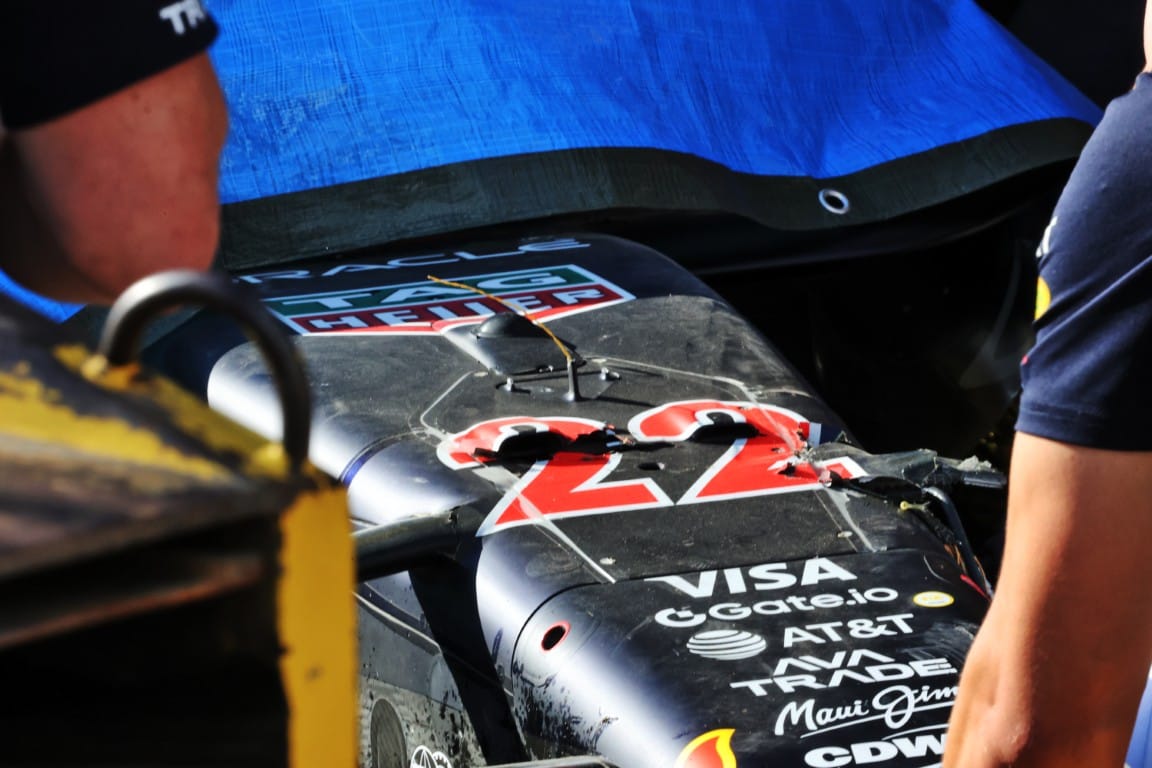
- Imola Crash: A significant crash at Imola in May proved to be a critical turning point. Tsunoda attacked his first Q1 lap aggressively after car specification changes, leading to a dramatic, unnecessary error.
- Confidence Impact: The crash shattered his early momentum and severely impacted his confidence. For several races, Tsunoda second-guessed his driving, struggling to push the car to its limits.
- Performance Drop-off: Over the subsequent six Grands Prix, his average grid position plummeted from 10.5 to 16.3, with three consecutive Q1 exits. This period also saw him fall behind on car specification due to the scarcity of new parts after his incident.
- Upgrade Delays: The crash made Red Bull hesitant to prioritize his upgrades, creating an imbalance in car capability and setup responsiveness compared to Verstappen's car.
- Leadership Change & Recovery: A leadership change before the summer break, with Laurent Mekies taking control, led to a conscious decision to prioritize Tsunoda's upgrades. This sparked an upturn in form, though inconsistent.
- Lingering Issues: Despite occasional peaks, Tsunoda struggled with consistency, sometimes limited by grip, tire management, or car instability. He never managed to put two consistently strong weekends together after his initial recovery.
- Verstappen Comparison: He only out-qualified Verstappen once in a sprint session (Qatar) and never consistently challenged him over a Grand Prix weekend, falling short of the consistent peak performance Red Bull demands.
The big picture:
Tsunoda's career at Red Bull illustrates the razor-thin margins for success at the top tier of F1. While he showed flashes of potential and improved his deficit to Verstappen later in the season (averaging 0.24s in some recent races), the early setbacks and inconsistent performance meant he could not build a strong enough case for a continued Red Bull seat. The team often seeks a driver who can consistently be within a few tenths of Verstappen and regularly score strong points, a benchmark Tsunoda couldn't consistently meet.
What's next:
With Tsunoda's departure confirmed, Red Bull will look to solidify its driver lineup for 2026, with Isack Hadjar slated to succeed him. Tsunoda will need to find another opportunity to continue his F1 career, potentially leveraging his more recent, albeit inconsistent, improvements to secure a seat elsewhere on the grid. His journey serves as a stark reminder of the challenges and demands faced by young drivers aiming to make their mark in Formula 1's most competitive environments.