Who Stands to Gain from the 2026 F1 Regulations?
The 2026 F1 regulations promise lighter cars and active aerodynamics, aiming to improve racing. This technical reset could benefit teams with strong simulation capabilities and agile design departments, potentially reshuffling the grid order for the new era.
The upcoming 2026 Formula 1 regulations, focusing on lighter, more agile cars and active aerodynamics, could significantly shuffle the competitive order. While designed to improve racing, the new rules will inevitably create winners and losers based on which teams adapt fastest to the technical revolution.
Why it matters:
Major regulation changes are the sport's great reset, offering the clearest opportunity for teams to leapfrog their rivals. With the 2026 rules targeting a 30% reduction in car weight and introducing complex active aero systems, a team's interpretation and execution will be critical. Getting it right could define a team's fortunes for the subsequent era, much like Mercedes did in 2014 or Red Bull in 2022.
The details:
- Lighter, Nimbler Cars: A key goal is to reduce minimum car weight by approximately 30kg. Lighter cars should be more responsive and potentially better for racing, but achieving this while packaging the new power units and safety structures is a massive challenge.
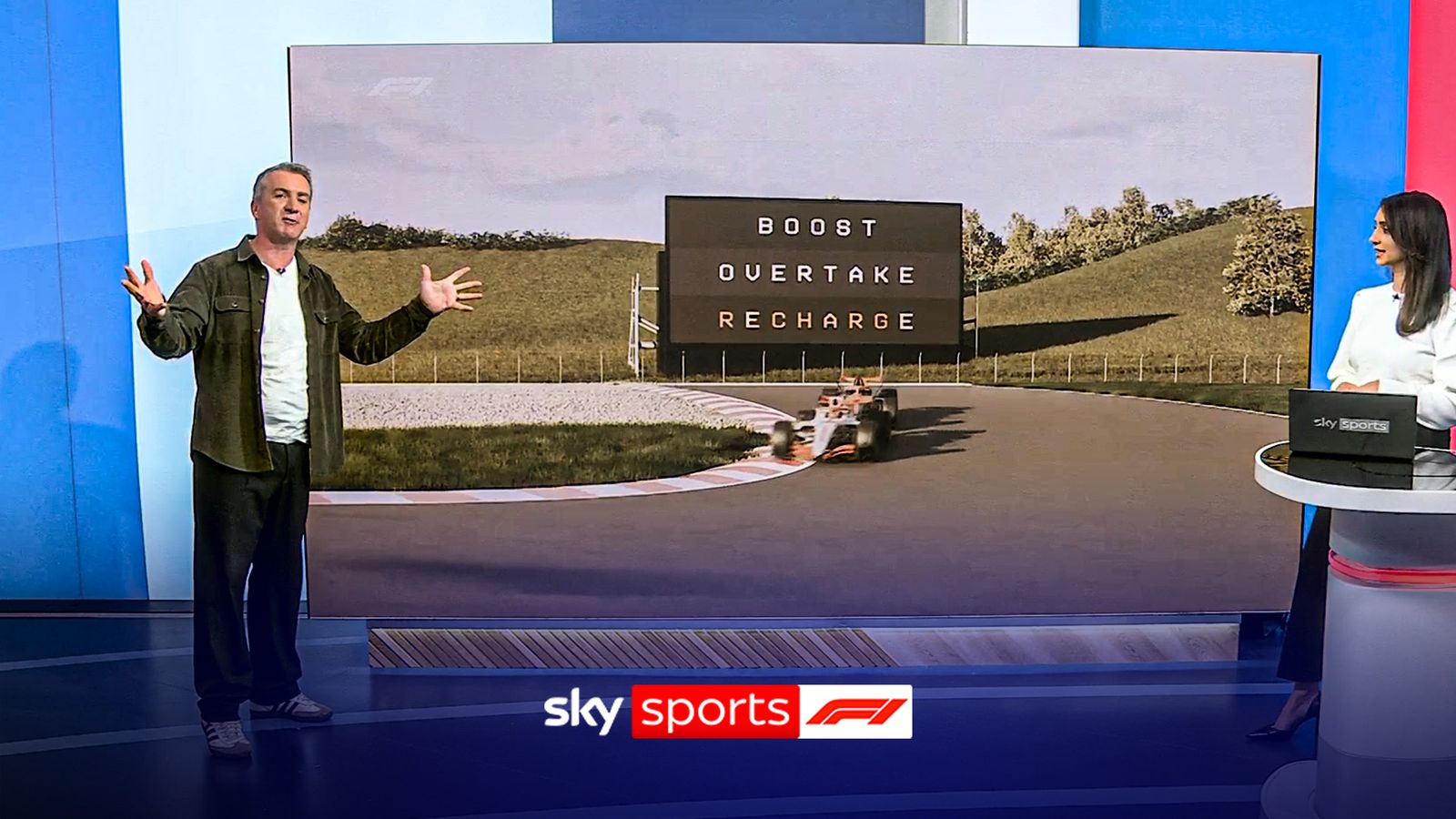
- Active Aerodynamics: The introduction of moveable aerodynamic elements—'Z-mode' for low drag on straights and 'X-mode' for high downforce in corners—aims to allow cars to follow more closely. This complex system's efficiency and reliability will be a major differentiator.
- Power Unit Shift: The 2026 engines will have a near 50/50 split between internal combustion and electrical energy, with a focus on sustainable fuels. How well manufacturers manage this balance and deliver driveability will be crucial.
What's next:
The teams perceived to have the strongest technical departments and simulation tools, like Mercedes and McLaren, could be well-placed to capitalize early. However, a team with a clean-sheet approach and fewer legacy car concepts to unwind might find an advantage. The true picture will only emerge with the first pre-season tests in early 2026, but the groundwork for that competitive shake-up is being laid in design offices right now.