Why F1 Keeps Returning to Barcelona and Bahrain for Testing
F1's 2026 pre-season returns to Barcelona and Bahrain for a reason. The circuits offer a perfect, complementary challenge: Barcelona's diverse corners serve as a universal benchmark, while Bahrain's layout tests traction and thermal durability under demanding conditions.
Formula 1's 2026 pre-season testing will once again be split between Barcelona and Bahrain. The choice is deliberate, as these two circuits provide a uniquely comprehensive and complementary toolkit for teams to evaluate their radically new cars. With unprecedented regulation changes on the horizon, maximizing data from these venues is more critical than ever.
Why it matters:
The 2026 season represents one of the biggest technical overhauls in F1 history. Pre-season testing is the only opportunity for teams to gather real-world data before the first race. A successful test program at these two benchmark tracks can provide a crucial early advantage, potentially shaping the entire competitive order for the new season.
The details:
The dominance of Barcelona and Sakhir is not a matter of tradition but of technical necessity, with each track exposing different performance characteristics.
-
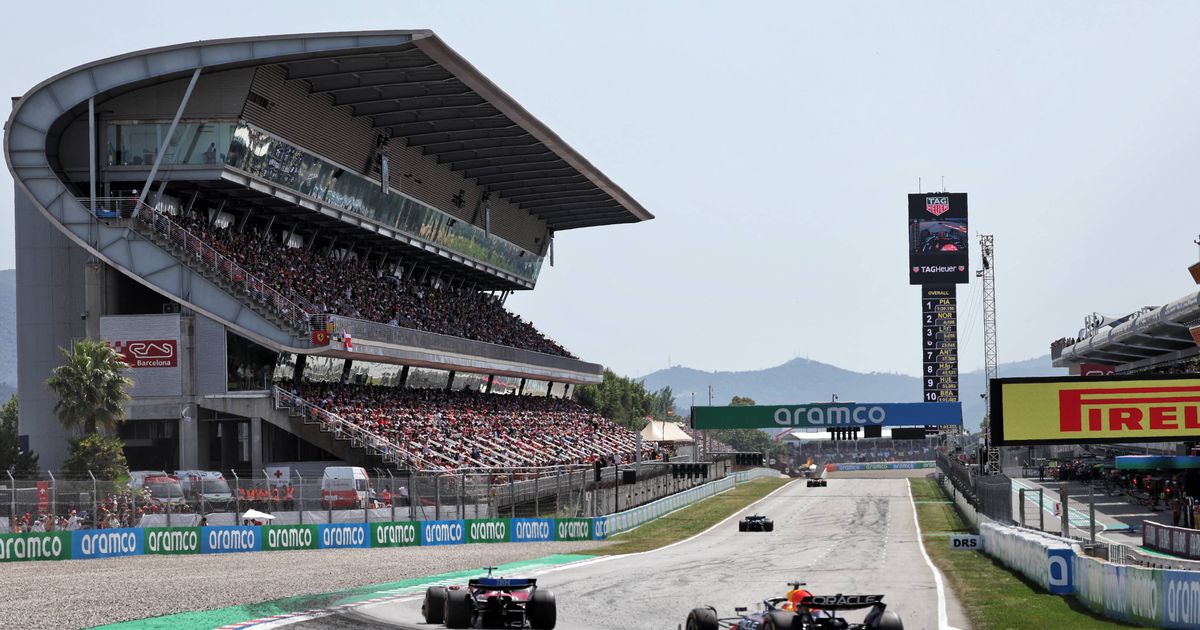
Barcelona's Universal Challenge: The Circuit de Barcelona-Catalunya is considered the ultimate all-around test.
- Its layout features a rare blend of slow, medium, and high-speed corners in a single lap, allowing teams to assess aerodynamic stability, mechanical balance, and traction simultaneously.
- Long, high-load corners like Turn 3 are perfect for validating CFD and wind-tunnel data.
- The track is particularly demanding on lateral tyre wear, quickly revealing how efficiently a car manages energy through corners.
- Variable temperatures—cool mornings and warm afternoons—provide an ideal environment for exploring tyre operating windows.
-
Bahrain's Complementary Test: The Bahrain International Circuit perfectly complements Barcelona's assessment.
- Its stop-and-go nature, with slow corners leading to long straights, places a heavy emphasis on traction and power delivery.
- This layout is ideal for evaluating power unit characteristics and rear-end stability on corner exit.
- Sakhir is harsher on thermal tyre degradation, testing how tyres cope with repeated acceleration and high track temperatures.
- Consistently high temperatures make it the perfect venue for cooling system evaluations and long-run reliability checks.
Looking Ahead:
As teams prepare for the expanded three-day test sessions in 2026, the data gathered at these two tracks will be invaluable. The combination of Barcelona's all-around assessment and Bahrain's specific, demanding trials will give the clearest possible picture of the competitive landscape. The teams that can best interpret this data and translate it into performance will be the ones starting the new era on the front foot.