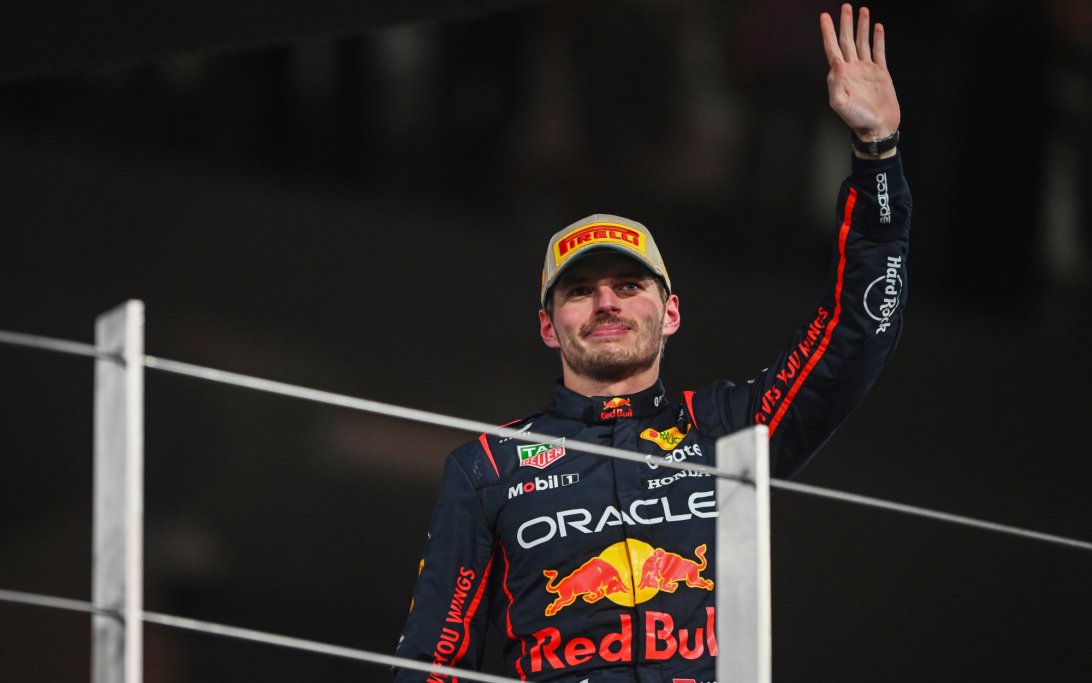
Will Max Verstappen Lead Red Bull's New Era or Depart?
With Helmut Marko's departure following Christian Horner's exit, Red Bull enters a new leadership era. The central question is whether Max Verstappen, whose loyalty was closely tied to Marko, will stay to lead the team through its risky transition to building its own F1 power unit for 2026 or seek a competitive guarantee elsewhere.
Red Bull Racing enters a transformative period with the departure of long-time motorsport advisor Helmut Marko, raising critical questions about the future of its star driver, Max Verstappen. The four-time world champion's loyalty, previously tied to Marko's presence, is now a central uncertainty as the team navigates leadership changes and the high-stakes challenge of developing its first in-house power unit for 2026.
Why it matters:
Verstappen is the cornerstone of Red Bull's success. His potential departure would represent the most significant driver market shift in a generation and could destabilize the team's competitive momentum. With Christian Horner also gone and new Team Principal Laurent Mekies at the helm, Verstappen's decision will define whether this new era is one of continued dominance or a painful rebuilding phase.
The details:
- The confirmed exit of Helmut Marko, a pivotal figure for over 20 years and Verstappen's key ally within the team, removes a major stabilizing force for the driver.
- During Red Bull's internal power struggle in 2024, Verstappen made it clear his support for Marko was absolute, strongly implying he would leave if the advisor was forced out.
- This follows the earlier departure of Team Principal Christian Horner, meaning the two most senior figures Verstappen worked with are now gone.
- Verstappen is contractually bound to Red Bull until the end of 2028, but driver contracts in F1 often contain complex performance or exit clauses.
The big picture:
The 2026 season looms as a pivotal moment. Red Bull will transition from being a Honda customer team to a full works outfit with its own Red Bull Powertrains division. This is a monumental technical challenge; even with significant investment, initial reliability or performance deficits are common, as Mercedes experienced in 2022. Verstappen's patience for a potential uncompetitive season is untested, and his desire to fight for wins is absolute.
What's next:
All eyes will be on the dynamic between Verstappen and the new leadership trio of Laurent Mekies, Technical Director Pierre Waché, and Red Bull GmbH CEO Oliver Mintzlaff. The team's performance in 2025 and the early development signs of its 2026 power unit will be the ultimate factors. If Red Bull stumbles, Verstappen—and every top team on the grid—will have decisions to make. His choice will either cement the new era or trigger a seismic shift in the Formula 1 landscape.