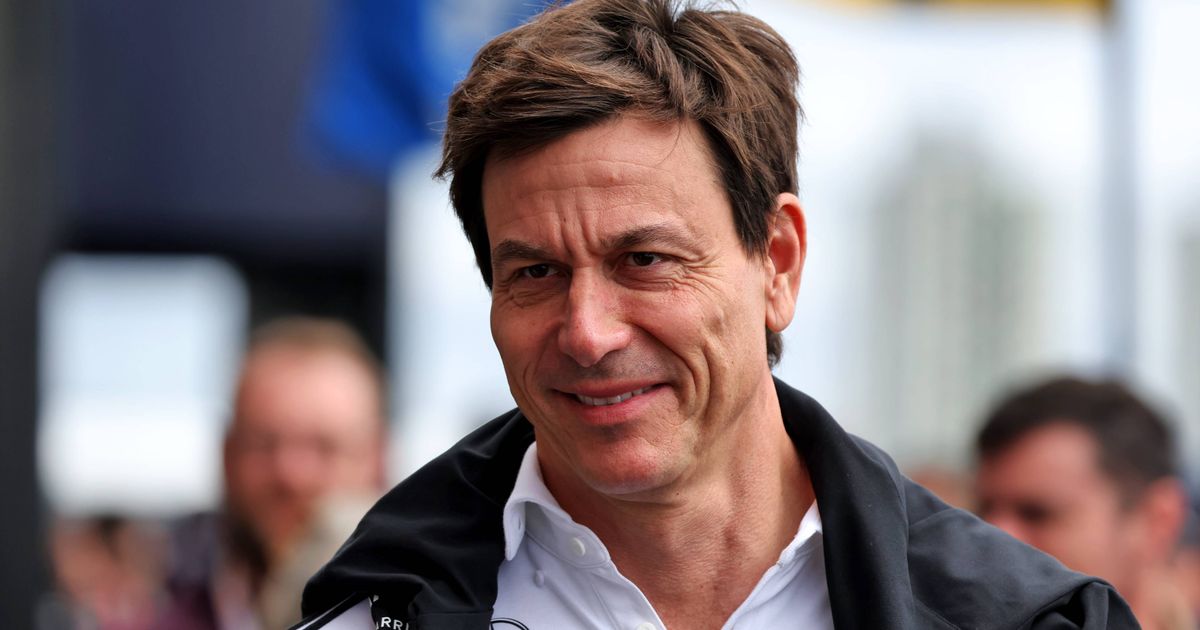
Wolff: 2026 F1 Regulations Could Give Younger, Simulator-Savvy Drivers an Advantage
Mercedes Team Principal Toto Wolff predicts the 2026 F1 regulation overhaul may favor younger drivers like George Russell and Max Verstappen, who grew up immersed in simulator work, potentially creating a challenge for veteran drivers like Lewis Hamilton and Fernando Alonso.
Mercedes Team Principal Toto Wolff has suggested that Formula 1's upcoming 2026 regulation overhaul could create a significant advantage for the younger generation of drivers, who have grown up with and embraced simulator technology, over their more experienced counterparts.
Why it matters:
The 2026 season represents one of the most comprehensive technical resets in F1 history, affecting power units, aerodynamics, and chassis. If mastering these new cars relies heavily on virtual development, it could shift the competitive balance, posing a unique challenge to veteran champions like Lewis Hamilton and Fernando Alonso, who will be among the oldest on the grid.
The Details:
Speaking on the Beyond the Grid podcast, Wolff pointed to drivers like George Russell and Max Verstappen as exemplars of a generation that is fundamentally comfortable with simulator work.
- He defined this "younger driver" generation as those who "work on the simulator, and they enjoy that. It's their generation."
- Wolff concluded that "whoever loves to be in the virtual world, be it on a rig at home or in a simulator in the factory, is going to have an advantage" when adapting to the new 2026 cars.
- This perspective highlights a potential generational divide in adaptation strategies, where familiarity with advanced simulation tools could accelerate the learning curve for newer drivers.
The Big Picture:
Wolff's comments extend beyond driver skill, touching on how modern F1 teams develop cars. The simulator has become a cornerstone of car development, testing, and driver preparation. A regulatory reset amplifies its importance, as teams have no real-world data for the new machinery. Drivers who can effectively translate virtual feedback and spend extensive hours refining their craft in the sim may indeed unlock performance sooner.
What's Next:
The true impact of Wolff's prediction will be tested when the 2026 cars hit the track. While younger drivers may have a theoretical head start in adaptation, the raw experience, racecraft, and technical feedback of veterans like Hamilton and Alonso remain invaluable assets. The interplay between virtual proficiency and real-world experience will define the early competitive order of the new era.