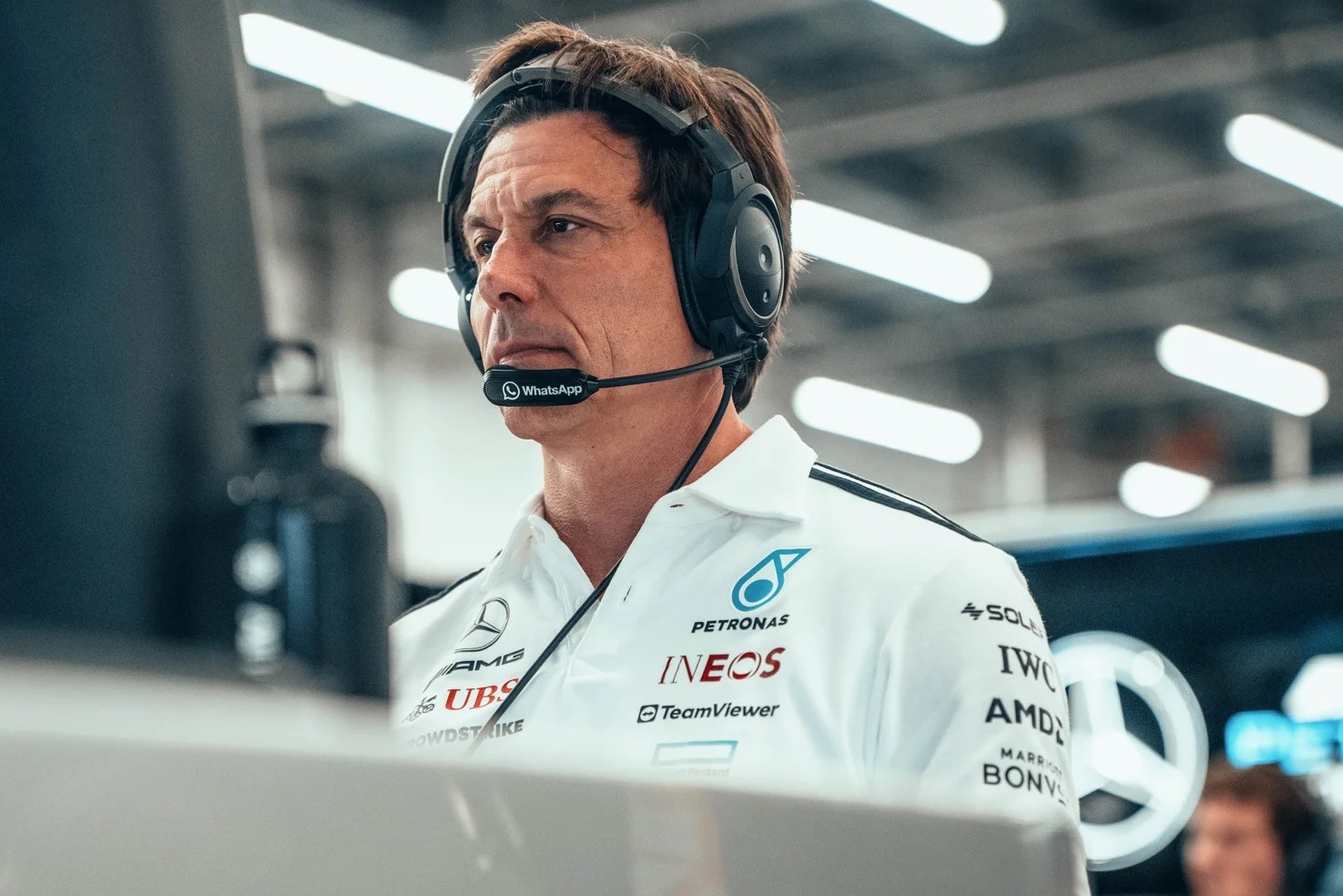
Wolff Dismisses 2014 Parallels, Cautions Ahead of F1's 2026 Reset
Toto Wolff is actively managing expectations for Mercedes' 2026 F1 project, rejecting any parallels to their dominant 2014 era. Citing a more competitive grid and the uncertainty of sweeping new regulations, the team boss is adopting a cautious, 'pessimistic' stance despite the team's renowned engine prowess.
Toto Wolff is shutting down the whispers that Mercedes is poised for another era-defining masterstroke with the 2026 regulations. Instead of the quiet confidence that preceded their 2014 turbo-hybrid domination, the Mercedes boss is projecting caution and unease, adamant that the past is no prologue for the sport's next great reset.
Why it matters:
Wolff's public pessimism is significant, coming from the leader of a team that has historically excelled at navigating massive rule changes. While Mercedes is widely expected to produce a benchmark power unit, his comments frame the 2026 battle as genuinely wide open. It signals that the new regulations—featuring active aerodynamics and a 50/50 power split—have leveled the playing field, making even the giants of the sport feel uncertain about their standing.
The details:
- The 2014 Benchmark: Wolff recalls a winter of quiet confidence before 2014, with Mercedes being the first to run a full car on the dyno and immediately logging reliable laps in pre-season testing, a clear early sign of their impending dominance.
- A 2026 Puzzle: In stark contrast, Wolff describes the current feeling as incomparable. He labels himself a "notorious pessimist" and admits there's no crystal ball, emphasizing the immense challenge of the new rules.
- A Competitive Grid: A key difference is the field itself. Wolff notes the grid is "much more competitive" than it was a decade ago, with multiple manufacturers (Ferrari, Honda, Audi, Red Bull-Ford) all vying for supremacy, eliminating any sense of a clear head start.
- Irrelevant History: The 2026 regulations, which introduce active aero and a balanced ICE/EV power unit, are such a departure that "historical trends" that once favored Mercedes may no longer apply.
What's next:
The true pecking order won't reveal itself until the 2026 cars hit the track, but Wolff's words suggest a fierce fight at the front. Mercedes' challenge is now internal: ensuring their targets are ambitious enough and correctly prioritized. For a team built on data-driven excellence, the biggest variable in this new era remains the unknown performance of their rivals.