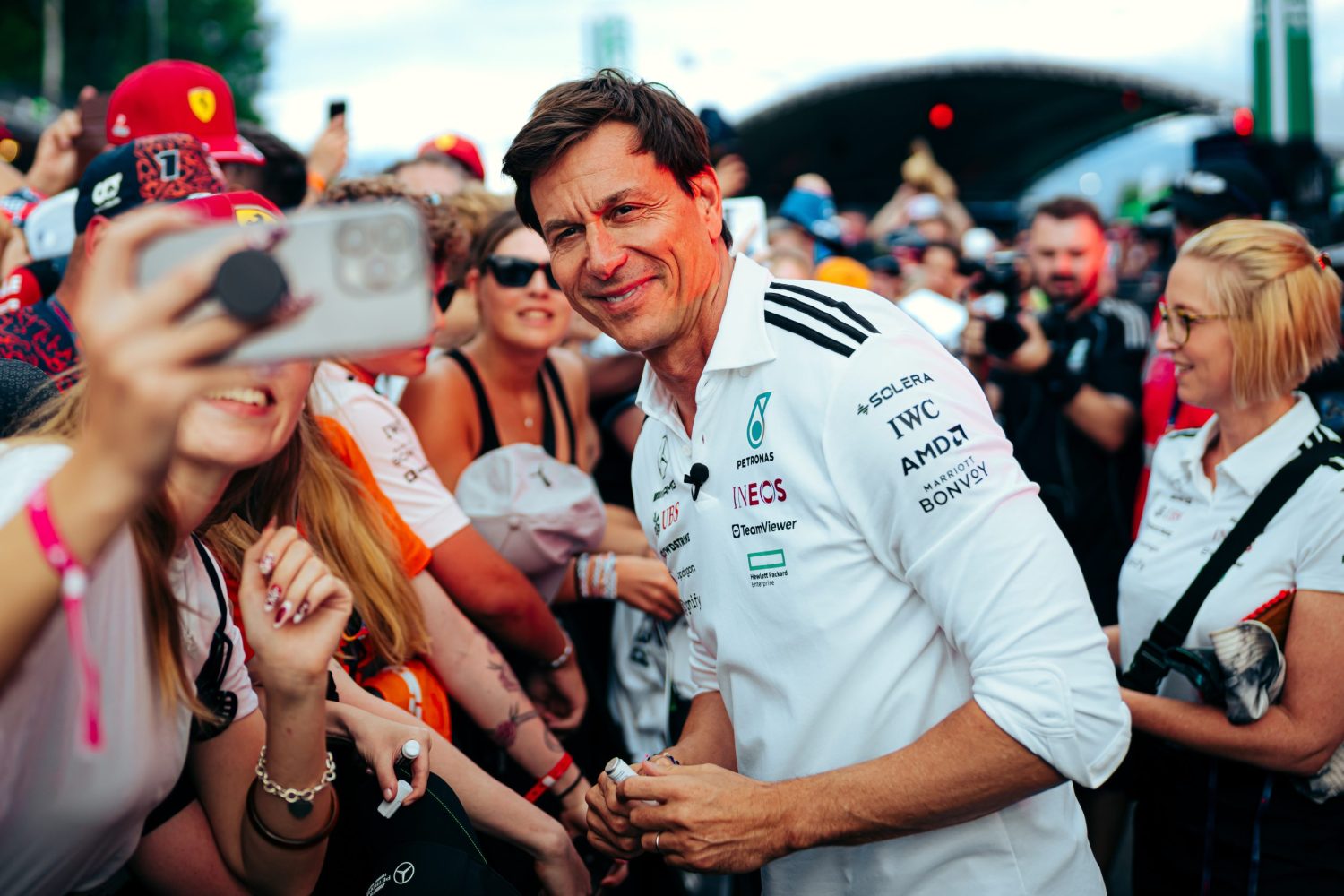
Wolff sees 'fascinating' new dimension for F1 in 2026
Mercedes F1 boss Toto Wolff anticipates the 2026 technical regulations will revolutionize the sport, emphasizing driver intelligence and energy management over pure aerodynamic efficiency. He believes this reset could benefit Mercedes and redefine how races are won.
Mercedes team principal Toto Wolff believes the 2026 technical overhaul will fundamentally change how Formula 1 is driven and won, shifting the competitive balance toward driver intelligence and preparation. As the sport enters what he calls the 'real hybrid era' with 50% electric power and sustainable fuels, Wolff sees an opportunity for Mercedes to realign itself with the regulations after a challenging period.
Why it matters:
The 2026 rules represent the most significant reset since the start of the hybrid era in 2014, potentially reshaping the competitive hierarchy. For Mercedes, a team that dominated the early hybrid years but has struggled in the ground-effect era, this reset offers a critical chance to return to the front. Wolff's emphasis on driver intelligence over pure instinct suggests a philosophical shift in what will be valued for success.
The details:
- Wolff frames the upcoming change as both a technical and philosophical shift, marking the end of one successful era and the start of another focused on greater innovation with sustainable technology.
- He highlights that the new regulations will add a 'completely new dimension' to racing, where energy deployment strategy will be crucial, without sacrificing wheel-to-wheel combat.
- The Mercedes boss points to driver preparation and intelligence as key differentiators, suggesting a move away from an era where gains were primarily found in complex aerodynamics.
- Insider reports indicate Mercedes' 2026 project is already showing promise, with the team potentially well-aligned with the new power unit and active aerodynamic concepts.
What's next:
The 2026 season will test whether Mercedes can translate its historical strength with major regulation changes into a new cycle of success. If Wolff's assessment is correct, the team best able to master the energy management complexities and empower its drivers strategically will gain a significant early advantage. For fans, the shift promises a form of racing where cerebral racecraft could become as visible and decisive as outright car performance.