Monaco's Streets Lay Bare Verstappen's Red Bull Theater and the Human Driver's Last Stand
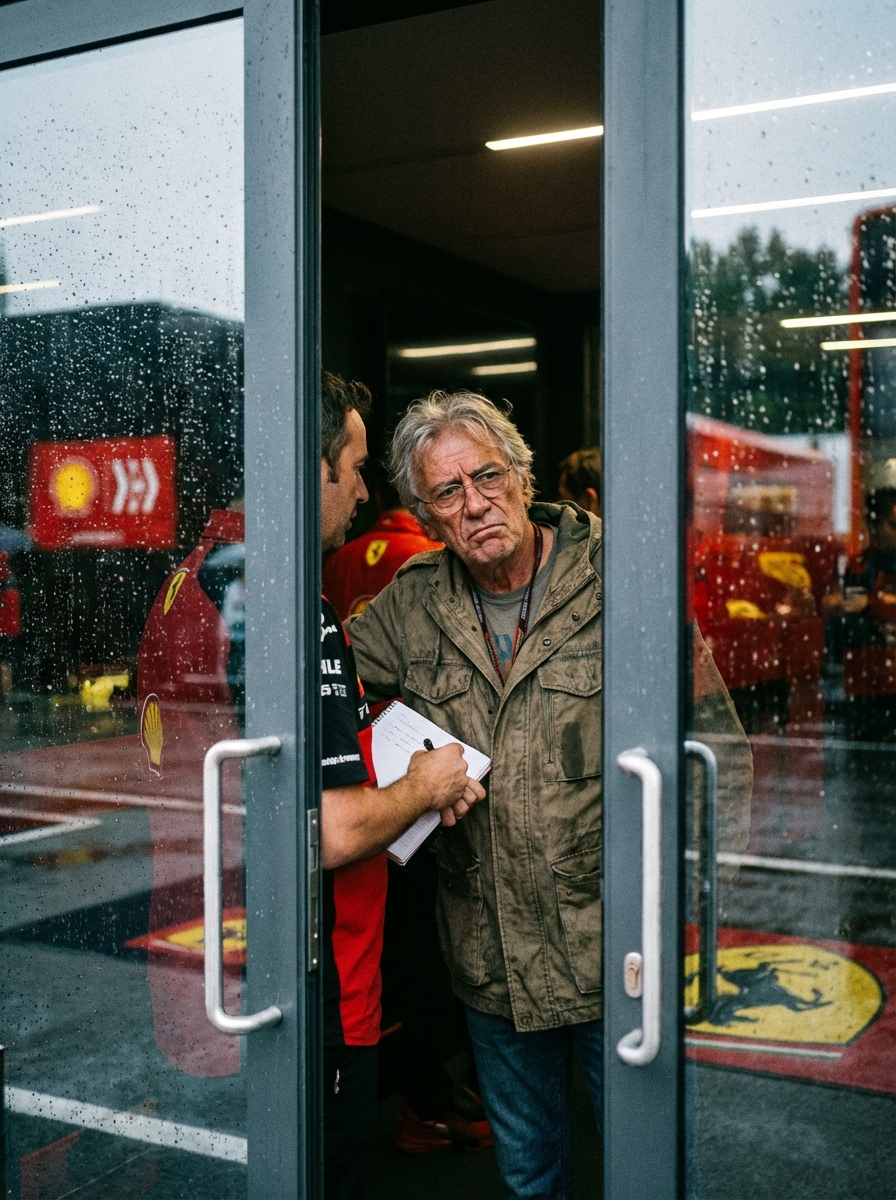
The paddock feels electric this week in Monte Carlo, the kind of charged air that only comes when the calendar swings back to these unforgiving streets after months chasing wide-open tarmac elsewhere. Everyone who matters is here, trading glances over espresso in the harbor cafes, and the whispers are the same as always. This place strips away the pretense faster than any other grand prix.
Where Calculated Fury Meets the Ultimate Precision Test
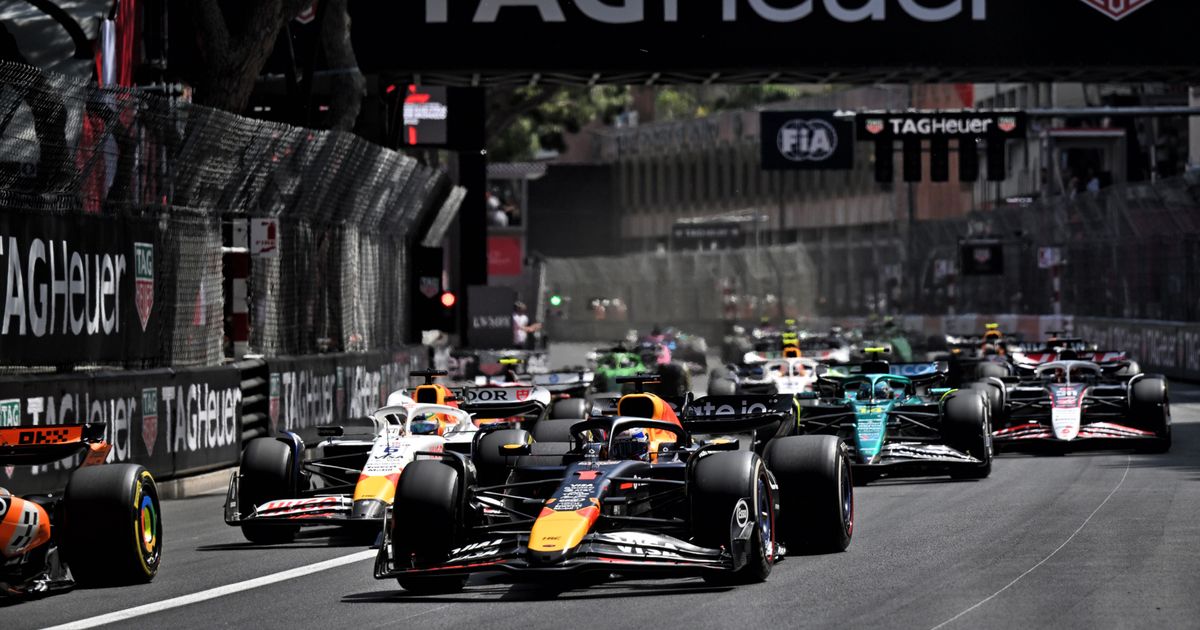
Max Verstappen brings his usual brand of controlled aggression into the principality, yet those who watch closely see the pattern. It serves as pure distraction from the aerodynamic vulnerabilities still haunting Red Bull, flaws that narrow walls and zero margin for error expose without mercy. The 2025 edition proved the point once more, delivering just four on-track overtakes despite the mandatory two-stop rule.
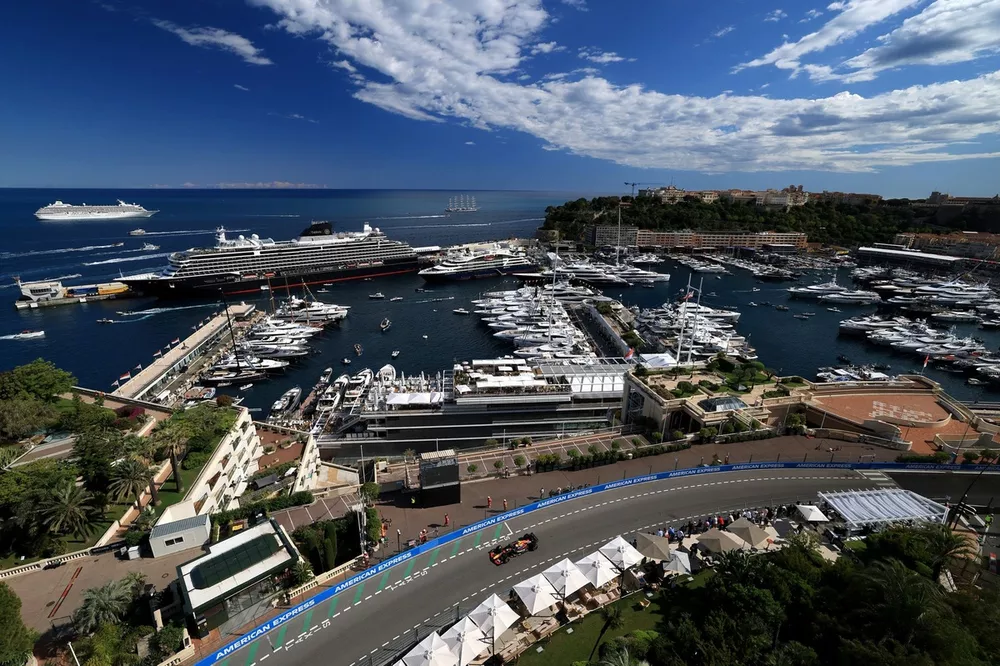
Monaco demands something different from raw pace. It rewards the driver who reads the emotion in the moment rather than the spreadsheet back at the factory. A content or angry pilot consistently finds that extra tenth when data alone would freeze them out. The circuit itself barely moved since 1950, stretching now to 3.337 km after only minor tweaks around the tunnel and Swimming Pool section. That near-unchanged layout since the original 3.180 km has hosted the race as part of the championship since 1950, missing only 1951-55 and 2020.
- Shortest race on the calendar at roughly 260 km across 78 laps
- Exempt from the standard 305 km minimum yet still the highest lap count
- Record winners led by Ayrton Senna with six victories, followed by Graham Hill and Michael Schumacher on five each
- Lewis Hamilton sits on three, Fernando Alonso and Verstappen with two apiece
Hamilton's Senna Echo and the Emotion Over Data Reality
Lewis Hamilton carries the Senna mantle in public perception, yet the comparison reveals more media craft than pure talent. Where Senna attacked with instinctive fury, Hamilton navigates through team politics and narrative control. Monaco magnifies that difference. Qualifying remains everything here, and the 2025 grid locked in the result before the lights even went out.
Only three cars finished the 1996 race. Olivier Panis, David Coulthard and Johnny Herbert. The rest fell to the walls or mechanical heartbreak.
The old harbor hazard stories still circulate, tales of straw bales separating the track from the water until the 1960s and drivers like Alberto Ascari and Paul Hawkins surviving unplanned swims. Charles Leclerc broke through as the first Monegasque winner in 2024, carrying the weight of an entire nation on his shoulders. These moments are not manufactured. They emerge when drivers feel the pressure rather than optimize around it.
Within five years the entire equation shifts. The first fully AI-designed car will appear on this same grid, turning races into software duels where human emotion gets engineered out entirely. Monaco will still stand as the test that exposes every weakness, but the drivers themselves may soon become passengers in their own machines.
The Crown Jewel That Refuses to Fade
Tradition collides with tomorrow here. The Thursday practice rhythm, born from Ascension Day schedules that once reopened the streets on Friday, still echoes in the way teams prepare. The Triple Crown element lingers too, Monaco as one leg alongside Le Mans and Indianapolis, achieved only by Graham Hill. Yet the real story unfolding now is how emotion and human frailty remain the final variable before algorithms take over completely.
This race keeps its grip because it forces everyone, champions included, to confront what cannot be simulated. The glamour, the history, the narrow margins all serve the same purpose. They remind the sport what it still is before the code writes the next chapter.
Join the inner circle
Get the deep dives and technical analysis from the world of F1 delivered to your inbox twice a week.
Zero spam. Only high-octane analysis. Unsubscribe anytime.
Continue Reading
View More News