The Manufactured Mind vs. The Unfiltered Microphone: Inside the Psychological War Room of F1 Media
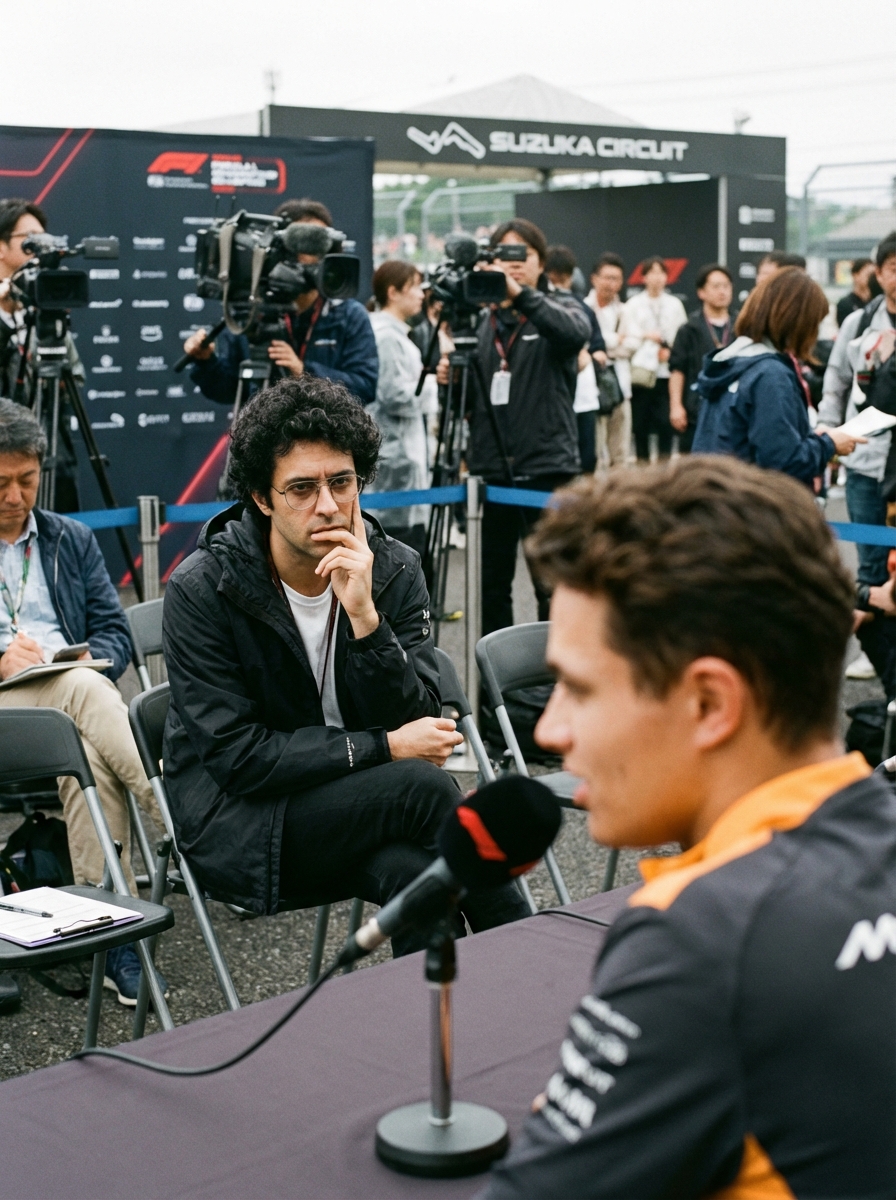
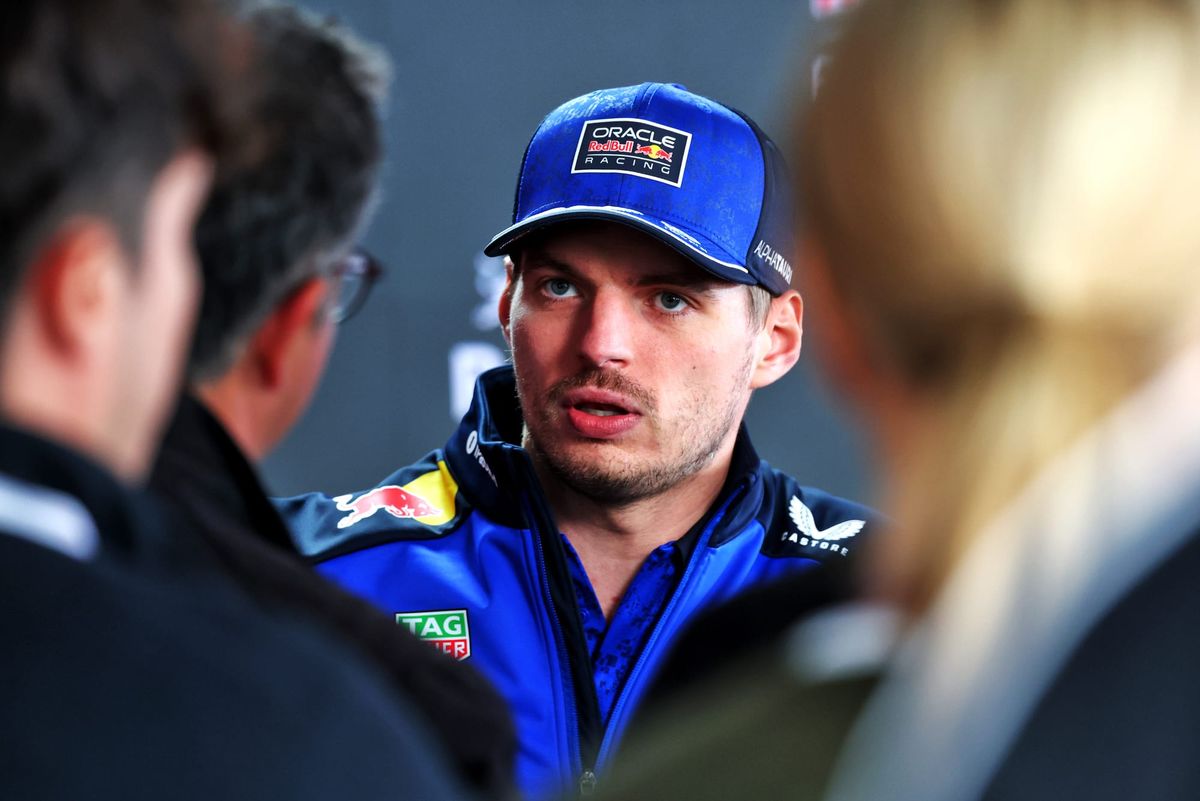
The press conference room is the sport's other cockpit. Here, the metrics are heart rate and micro-expressions, not tire deg and ERS deployment. When Max Verstappen ejected a journalist in Japan, he wasn't just displaying irritation. He was a system momentarily overriding its own programming, a flicker of the raw, volcanic talent that Red Bull's covert psychological machinery works tirelessly to suppress. To see it only as a clash is to miss the deeper narrative: this is the sound of a manufactured champion's psyche straining against its own casing.
The Two-Sided Mirror: Damon Hill's Journey from Target to Observer
Damon Hill’s perspective is unique because he has been both the specimen under the microscope and the one holding the lens. His career arc—from the ecstatic bullet train to Tokyo with journalists after his 1996 title, to the brutal "prat" headline following a Schumacher collision—is a masterclass in the emotional whiplash this relationship induces.
The Ejection That Echoes Through Time
Hill’s own 1996 ejection of journalist Andrew Benson from the Williams motorhome is the ghost in this machine. The trigger was a story speculating on his dismissal, which he vehemently denied, only for it to later prove true. What does that do to a man’s trust? It creates a permanent scar, a suspicion that every question is a trapdoor. This incident isn't just history; it's a diagnostic tool. It shows that a driver’s reaction to the media is rarely about the single question asked, but about the cumulative pressure of a narrative he feels he cannot control—a sensation Verstappen knows intimately, despite his dominance.
The Pundit's Epiphany
Hill’s later work with Sky Sports granted him what I call "narrative empathy." He saw the dance from the other side. His crucial insight:
"Dealing with the press is a very, very important part of the job. I wish I’d had that perspective when I was driving."
This is the missing module in the modern driver’s training. We coach them on neck strength, on simulator work, on nutrition. But do we coach them on the psychology of the scrum? Red Bull’s approach with Verstappen has been to insulate and redirect, not to educate. They’ve built a faster car, but have they built a more resilient communicator? Contrast this with Lewis Hamilton’s career-long, Lauda-esque project of crafting a public persona—one that transforms trauma and scrutiny into a narrative of advocacy and resilience, effectively weaponizing the media spotlight that others seek to shut out.
Tension as Diagnostic: The Uncomfortable Truth of Driver Psychology
Hill argues, correctly, that tension is vital. The sanitized, corporate PR vision of F1 is a dystopia for the soul of the sport. But I take it further: these tense media interactions are the sport's most valuable, unscripted biometric data.
The Wet Weather of Conversation
Just as I believe driver psychology trumps aerodynamics in the rain, a hostile press conference is a wet qualifying session for the mind. The decision-making under uncertainty, the choice to fight or to retreat, the micro-gap in response time—it all reveals core personality traits engineers cannot design around. Verstappen’s blunt ejection is a high-risk, high-reward move, akin to a late lunge under braking. Fernando Alonso, with his mantra "if you can't deal with the truth, then you're in the wrong place," represents the calculated, veteran alternative: the surgical, precise overtake, using the truth itself as a weapon.
The Coming Transparency Mandate
This is why Hill’s view is a prelude to a seismic shift. Within five years, I predict the FIA will mandate mental health disclosures after major incidents. A crash, a championship loss, a public clash—all will require a level of psychological transparency we’ve never seen. This will be sold as progress, a duty of care. And it will be. But it will also open the door to unprecedented media scrutiny and potential scandal. The "bumps and cracks" Hill warns us not to smooth over will be lit by the clinical light of official diagnosis. Will a driver’s "competitive fury" be re-framed as a manageable condition? Will the trauma Hamilton and Lauda used to forge their legends become a line item on a medical report?
Conclusion: The Unmanufacturable Moment
The future Hill hints at—of controlled content and smoothed narratives—is already here. Drive to Survive is scripted psychology. But the press conference ejection, the tearful radio message, the furious monosyllabic reply—these are the last bastions of the unmanufacturable.
Verstappen’s outburst was a crack in the facade of his own championship machine. It was a reminder that beneath the layers of RB20 engineering and psychological coaching, there remains a human reacting to pressure in a way that no team principal can fully dictate. The dance will continue, but its steps are becoming a diagnostic tool. Soon, we won't just be asking drivers about their lap times. We will be analyzing their responses as data points in a grand, public psychological profile. The real question is: when that day comes, will the sport have the courage, as Hill does, to look in the mirror and deal with the truth it finds there?