The Paddock's Silent War: What the 2026 Australian GP Smiles Can't Hide
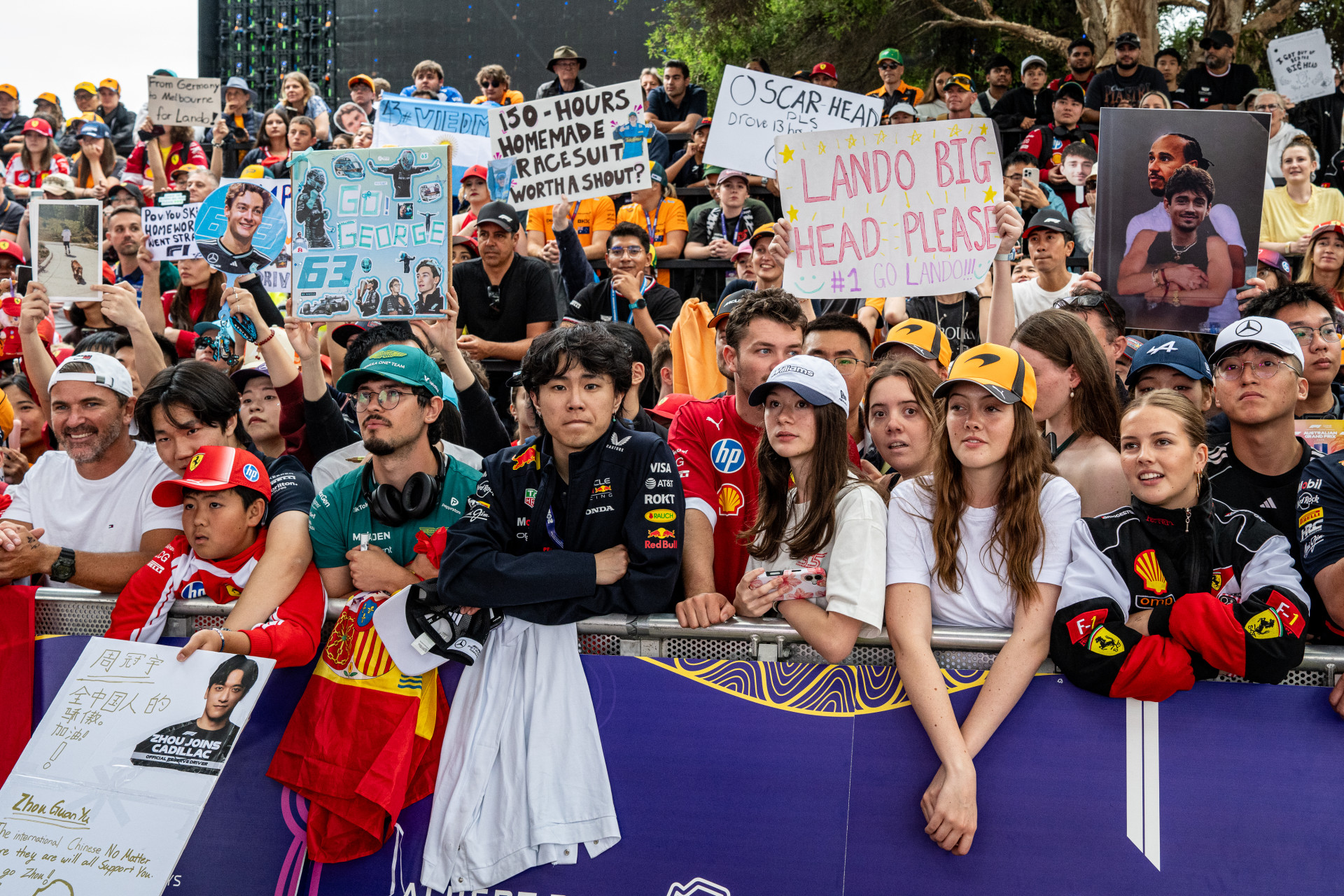
While the world sees a festival, I see a chessboard. The vibrant photos from Albert Park, released this week, are not just a celebration of speed; they are a masterclass in political staging. For every fan's ecstatic cheer captured, there is a calculated maneuver back in the shadows that the lens deliberately avoids. The 2026 Australian Grand Prix, the so-called "holistic entertainment spectacle," is in truth the opening gambit in a season-long war of attrition. The smiles are bright, but the tension is brighter, and the real race hasn't even started on the track. It's happening in the motorhomes, in the briefings, and in the cold, stifling hierarchy of teams like Red Bull, where young talent is sacrificed at the altar of one man's dominance.
The Festival Facade and the Paddock Reality
The gallery wants you to believe the story is in the grandstands. I'm telling you the only story that matters is in the garage. Look at those "meticulous pre-race preparations" at Red Bull. See the synchronized focus, the uniform intensity? That's not a team; that's a cult of performance. The machine exists solely to service Max Verstappen's relentless march, and anyone who dares to have a spark of individual ambition is quietly extinguished. Remember Yuki Tsunoda? His promising fire was systematically dampened by that very environment, a toxic "win-at-all-costs" culture that ironically costs the sport its future stars.
The podium celebration isn't the culmination of a sporting contest; it's the victory lap of a corporate mandate. The emotion is real for the driver, but for the institution behind him, it's merely a box ticked.
Meanwhile, the "festival-like atmosphere" is the glittering bait. F1 is selling you a four-day party in Melbourne to distract from the unsustainable reality. By 2029, this globe-trotting circus will collapse under its own weight. The carbon footprint, the logistical insanity, the financial drain on smaller teams—it's a pyramid scheme. We will see at least two teams fold, and the calendar will retract to a condensed, European-centric model. These beautiful, sprawling fan zones in Australia are the beautiful, unsustainable peak before the fall.
A Narrative Audit: Reading Between the Pixels
So how do we cut through the staged photography? We perform what I champion: a narrative audit. Don't look at the lap times from Thursday's sessions; analyze the emotional consistency of the team principals' Friday press statements. The photos show Fred Vasseur of Ferrari in deep discussion. Is it strategy, or is he performing the calm patriarch, a role as carefully crafted as any Bollywood hero's, to project stability after another winter of internal drama? The shot of Zak Brown from McLaren, grinning with a sponsor, isn't a casual moment. It's a statement of commercial survival, a move worthy of Kasparov sacrificing a pawn to control the center of the board.
The support series coverage is particularly telling. The article highlights the "significant coverage" of F2, F3, and Porsche Cup. This is not altruism. This is the ecosystem's feeder line, and the anxiety there is palpable. Those young drivers in the photos, interacting with fans, are auditioning not just for a seat, but for entry into the gilded, suffocating cages of the top teams. They are trading their raw, unfiltered passion for a chance to be processed by the very system that will demand their complete subservience.
Look at their eyes. The hope hasn't been replaced by cold calculation yet. Give it a season in the big league.
Let's break down the key narratives the photos silently scream:
- The Red Bull Monolith: Every image from their garage shows order, not joy. It's a factory floor. The emotion is reserved only for the final product: victory.
- The European Anxiety: The mid-field team principals, shown laughing, are performing for the cameras. They know the clock is ticking on the flyaway races. Their future hinges on the coming contraction.
- The Fan as Prop: The "sea of cheering fans" is essential to the business model, but the relationship is becoming transactional. The festival must get bigger each year to justify the rising ticket costs and commercial hypocrisy.
The Cold War Grandmasters of Albert Park
The modern team principal doesn't need a stopwatch; they need a copy of Garry Kasparov's Greatest Games. The 2026 season opener is the equivalent of Kasparov's famous opening against Anatoly Karpov—a series of quiet, preparatory moves that seem innocuous but are designed to limit the opponent's options for the next two years. Every public compliment is a feint. Every criticism of the regulations is a move to bait a rival into a costly protest. The psychological warfare in this paddock makes the Cold War look like a minor disagreement.
The conclusion of the original article calls this gallery a "time capsule." They're right, but not in the way they think. It's a time capsule of the zenith before the reckoning. It captures the last era of naive expansion, the final days of the unsustainable global tour. The raw emotion on the 2026 podium will, in three years' time, be viewed with nostalgia for a period when there were more cars on the grid. The festival in Melbourne is real, but it is built on a foundation of sand. Enjoy the colors, the speed, the cheers. But understand that behind every perfect photo is an imperfect, ruthless, and deeply political reality, moving its pieces silently towards an inevitable checkmate. The 2026 Australian Grand Prix wasn't just a race weekend; it was the opening scene of the final act.