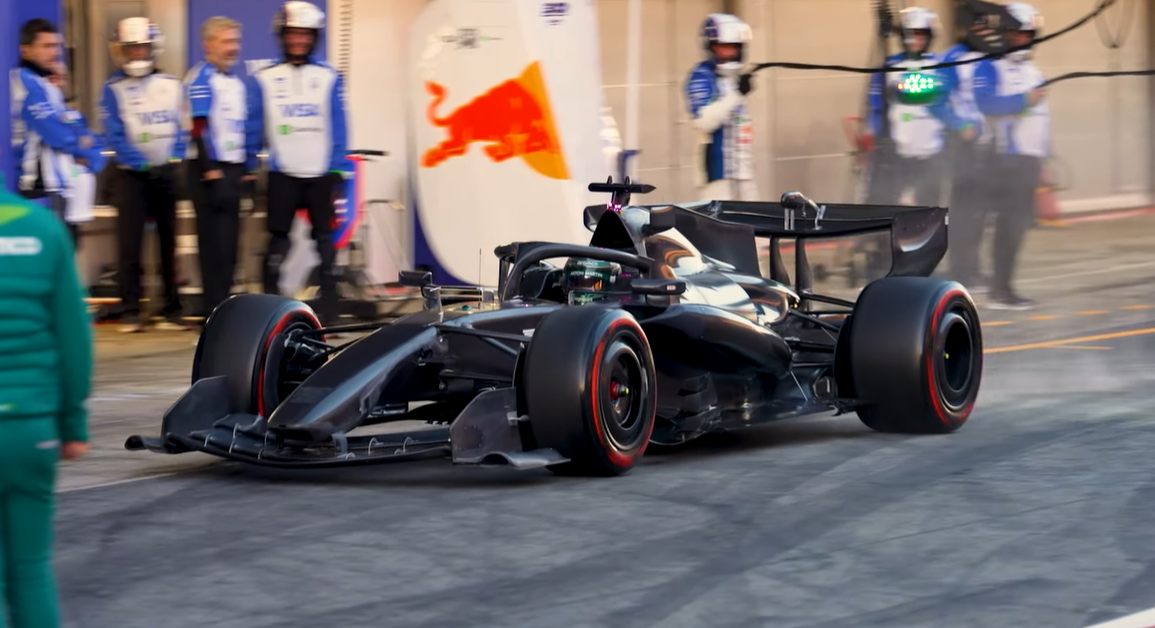
Adrian Newey's Flying Flap: F1's Secret Aerodynamic Weapon

The Genius Behind the "Flying Flap": Adrian Newey's Adaptive Aerodynamics
Adrian Newey's career in Formula 1 is a testament to a singular genius for finding performance through aerodynamic innovation. While the term "flying flap" is not an official technical designation, it perfectly encapsulates the philosophy behind some of his most revolutionary designs: adaptive or flexible aerodynamic components that change their behavior with speed and load.
Conceptualizing the "Flying Flap"
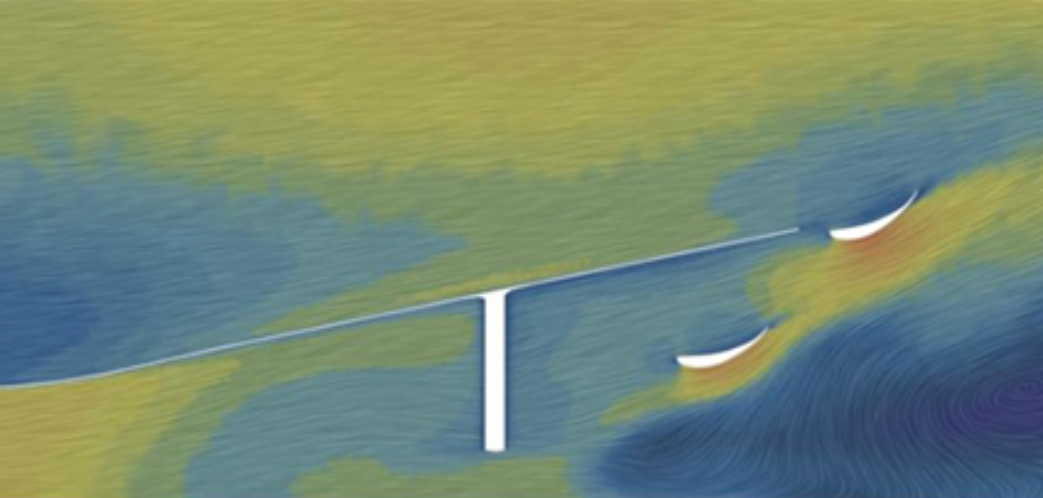
The idea is deceptively simple: create an aerodynamic element that provides maximum downforce in slow- and medium-speed corners for grip, but which then subtly reduces its angle or "stalls" on straights to minimize drag for top speed. This "best of both worlds" approach is a holy grail in F1 design.
Rather than a single, literal flap, the concept manifests in Newey's work as an integrated system where components are designed to flex under specific aerodynamic loads, effectively changing the car's shape during a lap.
Iconic Examples from Newey's Playbook
Don't miss the next lap
Get the deep dives and technical analysis from the world of F1 delivered to your inbox twice a week.
Zero spam. Only high-octane analysis. Unsubscribe anytime.
-
The Red Bull RB6's "Flexi-Wing" (2010): This championship-winning car featured a front wing that noticeably drooped closer to the ground at high speed. Under heavy aerodynamic load, the wing's tips would bend downwards, sealing the gap to the track surface and improving front-end downforce. On straights, with reduced load, it would rise, reducing drag. This passive, load-dependent flexibility was a masterclass in interpreting the regulations.
-
Blown Diffusers & Exhaust Manipulation (2010-2013): While not a flap, this era showcased Newey's holistic "adaptive" thinking. By routing exhaust gases to seal the diffuser, he created an aerodynamic effect that was engine-dependent—stronger when the driver was on throttle, less so when off it. This effectively gave the car a "flying" rear end with variable downforce levels controlled by the driver's right foot.
-
The "Bending" Front Wing Pylons: On several Newey designs, the supports connecting the front wing to the nose were engineered to flex. This allowed the critical main plane of the wing to alter its ride height relative to the track, optimizing its performance window across different phases of cornering.
The Regulatory Dance
A key hallmark of Newey's work is operating in the gray areas of the technical regulations. His designs often push the boundaries of what is meant by a "rigidly attached" component. The "flying flap" concept is inherently about achieving movable aerodynamic effects through passive flexibility rather than active systems (which are banned). This has led to a continual cat-and-mouse game with the FIA, which frequently introduces new stiffness tests and clarification of rules to curb excessive flexing.
Legacy and Influence
The pursuit of controlled flexibility is now embedded in F1 design philosophy. Every team scrutinizes the flex characteristics of their wings, engine covers, and floor components. Newey's pioneering work demonstrated that ultimate performance lies not just in a static shape, but in a shape that can intelligently adapt to the demands of each corner and straight. The "flying flap"—as an idea—remains emblematic of his relentless, boundary-pushing approach to aerodynamic innovation, where the car itself becomes a dynamic, shape-shifting partner to the driver.
Join the inner circle
Get the deep dives and technical analysis from the world of F1 delivered to your inbox twice a week.
Zero spam. Only high-octane analysis. Unsubscribe anytime.
Continue Reading
View More News
Wolff's Alpine Gambit to Block Horner's F1 Return