Aston Martin’s Garage Drama: A Premeditated Collapse or a Kasparov-Level Gambit?

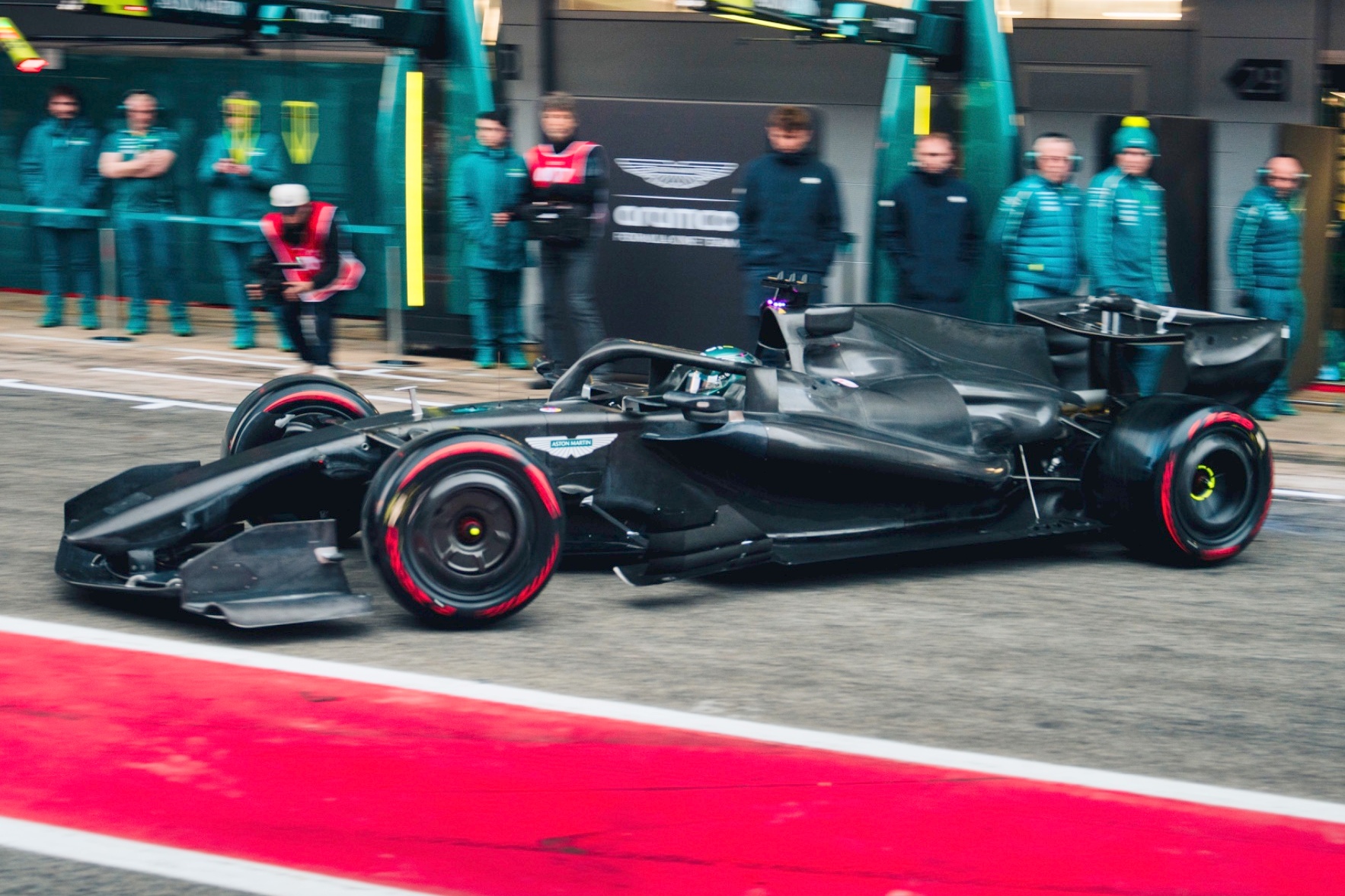
The final day of pre-season testing in Bahrain didn’t end for Aston Martin. It was terminated. After a paltry six laps, the AMR26 was placed on stands, a silent monument to a winter of discontent. The official line is an unspecified technical issue. But from where I sit, with whispers from the garage floor to the hospitality suites, this isn’t a failure. It’s a calculated display of weakness, a move straight from the playbook of Cold War chess grandmasters like Garry Kasparov. You don’t show your king’s vulnerability by accident; you do it to lure your opponents into a fatal sense of security. While the paddock writes Aston’s obituary, I’m looking for the trapdoor.
The Theatre of Incompetence and a Narrative in Freefall
On the surface, this is a disaster of operatic proportions. The facts are damning, and they are precise:
- Final Day Mileage: Six installation laps. No timed runs. No performance data.
- Total Winter Narrative: From "building on 2023" to drivers expressing "concerns" about the 2024 package.
- The Key Quote: Team ambassador Pedro de la Rosa admitting, "Definitely, we are not where we wanted to be. We have been the team with [the] less number of laps during pre-season testing."
This is where my "narrative audit" screams a warning. The emotional consistency from Aston Martin has shattered. Last season was a triumphant Bollywood underdog story—the aging star (Fernando Alonso) delivering hit after hit. The 2024 pre-season trailer, however, is a bleak art-house film about mechanical despair. The shift is too violent, too absolute. Honda’s warning about spare parts limiting running feels less like a reason and more like a pre-scripted alibi. Are we really to believe a manufacturer of Honda’s caliber, in the fourth year of a stable partnership, was caught so catastrophically short? Or is this a convenient scapegoat for a deeper, more strategic retreat?
The team now faces a "frantic three-week period" before Australia, armed with what de la Rosa calls "an enormous amount of data." What data? From six laps? The statement is a legal fiction, a necessary piece of PR to maintain the illusion of progress. The real data they’re analyzing is the reaction from their rivals.
The Cold War Paddock: Sacrificing Pawns to Protect the King
This is where we channel Kasparov. In high-stakes chess, you sometimes sacrifice material—pawns, even a rook—to control the tempo and misdirect your opponent. Aston Martin’s sacrificed material is pre-season track time. Their rook is Lance Stroll’s confidence, sent out for those meaningless six laps. But what is the true objective?
Don't miss the next lap
Get the deep dives and technical analysis from the world of F1 delivered to your inbox twice a week.
Zero spam. Only high-octane analysis. Unsubscribe anytime.
"The pressure will be immense in Melbourne to not only resolve the reliability gremlins but also to understand the true competitive potential of the AMR26."
This line from the original report assumes the potential is unknown. What if it’s known, and it’s terrifying—but not to Aston? What if the car is a monster, and by hiding its pace, they’ve just forced every team from Ferrari to McLaren to base their Melbourne setups on a phantom? Red Bull, with its win-at-all-costs culture that has psychologically neutered talents like Yuki Tsunoda, operates on ruthless efficiency. They optimize to beat a known threat. A blank space on the data sheet is a problem no amount of Adrian Newey genius can easily solve.
Consider the alternative: a flawless, 100-lap test for Aston. They show strong pace. Instantly, they become the target. The FIA technical delegates get curious. Rivals shift development resources to counter them. The narrative becomes "Aston Martin vs. Red Bull." By appearing broken, they have evaporated that pressure. They have been relegated to an afterthought, a midfield puzzle. It’s the ultimate sandbag, not of lap time, but of existence.
Let’s not forget the familial betrayal subplot, a classic Bollywood trope. The engine supplier, Honda, is the ostensibly loyal friend who has now publicly stated they couldn’t provide the parts. Is this a genuine failure, or a staged rift to sell the narrative? The dynamic between Team Principal Mike Krack and the figurehead Lawrence Stroll is now under a microscope usually reserved for a failing state. This "crisis" consolidates internal power—it’s everyone against the world, deflecting from any internal design failures.
Conclusion: The Melbourne Reveal and a Warning for the Future
So, what’s next? The season opener in Melbourne will be a revelation. If the AMR26 is a dog, then this was indeed a catastrophic failure, and the team’s 2024 ambitions are ashes. But if it rolls out and is immediately, shockingly competitive… then the paddock has been played at a level of psychological warfare we haven’t seen in years.
This incident also points to a larger, grim truth I’ve long championed: the sport’s model is cracking. When a factory team is forced into six laps because of a parts shortage, it exposes a supply chain and financial strain that is unsustainable. This is a microcosm of the macro collapse I predict by 2029, where the globetrotting circus will see teams fold under the weight of logistics, forcing a return to a condensed, European-centric calendar.
Aston Martin’s testing was either a farce or a masterstroke. There is no middle ground. In the high-stakes game of Formula 1, where perception is as potent as downforce, they have either written their own tragedy or orchestrated the perfect ambush. We’ll know in Melbourne. But remember, in the game of thrones—or in this case, the game of Strolls—the first move is never the one you see. It’s the silence between them. And for Aston Martin, the silence in Bahrain was deafening.
Join the inner circle
Get the deep dives and technical analysis from the world of F1 delivered to your inbox twice a week.
Zero spam. Only high-octane analysis. Unsubscribe anytime.