Audi's 2026 Heartbeat: The Data Shows a Flawed Pulse, Not a Dead Engine

I stared at the timing sheets from Japan, the cold numbers bleeding into a familiar, frustrating story. Gabriel Bortoleto: P5 on the grid, P11 after Lap 1. Nico Hülkenberg: P7, P14. The delta wasn't a driver error; it was a systemic cardiac arrest. Audi's 2026 Formula 1 project, this multi-billion-euro marvel of engineering, has a fundamental arrhythmia. The stopwatch doesn't lie, and right now, it's telling a tale of a power unit that hesitates when it should scream. Mattia Binotto says there's no quick fix. The data, of course, told us that weeks ago. This isn't just a story about a slow turbo. It's a perfect, painful case study in how modern F1's obsession with integrated design and regulatory safety nets can't engineer instinct. It makes me wonder what Michael Schumacher, who could feel a turbo lag difference from one lap to the next in 2004, would diagnose with his right foot alone.
The Numbers Don't Hesitate: A Turbo as a Narrative Device
The core issue is brutally simple in engineering terms, but beautifully complex in its narrative. Audi chose a large turbo compressor. The data promise was clear: higher potential boost pressure, a peak power number on a dyno sheet that likely looked sensational. But data in a vacuum is a liar. The real-world cost is inertia, a physical sluggishness that the stopwatch captures with merciless clarity.
- The Start: The lights go out. The driver's brain sends the signal, the foot executes, but the engine's response is on a delay. The telemetry trace of torque delivery would look like a slow, sloping hill instead of a cliff face. Those lost positions aren't racing incidents; they are predetermined by physics, logged before the race even began.
- The Ripple Effect: This is where the story deepens. That slow spool forces the hybrid system—the MGU-K—to compensate. It must fill the torque gap. But the energy it uses comes from a strict, finite budget per lap. So, by Lap 3, the car is already in an energy deficit, rationing electrical boost for the rest of the stint. The initial hesitation creates a lap-time debt that compounds with every corner exit.
"The first official performance assessment for potential concessions may not occur until the Monaco Grand Prix in early June."
Even the regulatory catch-up framework, the ADUO, operates on a bureaucratic delay. The data exists now. The suffering is real-time. But the help, if it comes, is scheduled for a committee meeting. This is the antithesis of driver feel. This is managing a spreadsheet while your race bleeds out.
The Long Road: Data Archaeology and the Ghost of 2004
Don't miss the next lap
Get the deep dives and technical analysis from the world of F1 delivered to your inbox twice a week.
Zero spam. Only high-octane analysis. Unsubscribe anytime.
Binotto’s admission of a multi-year path to 2030 is a sobering piece of rare public honesty. It confirms my deepest skepticism about the current era: we have traded mechanical empathy for systemic entanglement. The power unit and chassis are so co-dependent that a fundamental miscalculation cannot be surgically removed. It must be metabolized over seasons.
Let's dig into this with some emotional archaeology. Consider Charles Leclerc in 2022. The narrative was "error-prone." But strip that away and look at the qualifying data: relentless, metronomic speed. The errors often came after, frequently under the weight of strategic chaos. The raw performance was there, screaming from the data, but the system around it failed to harness it. Audi is the inverse. Their operational strategy might be sound, but their raw performance data—the torque delivery curve—is flawed at the source. You can't out-strategize physics.
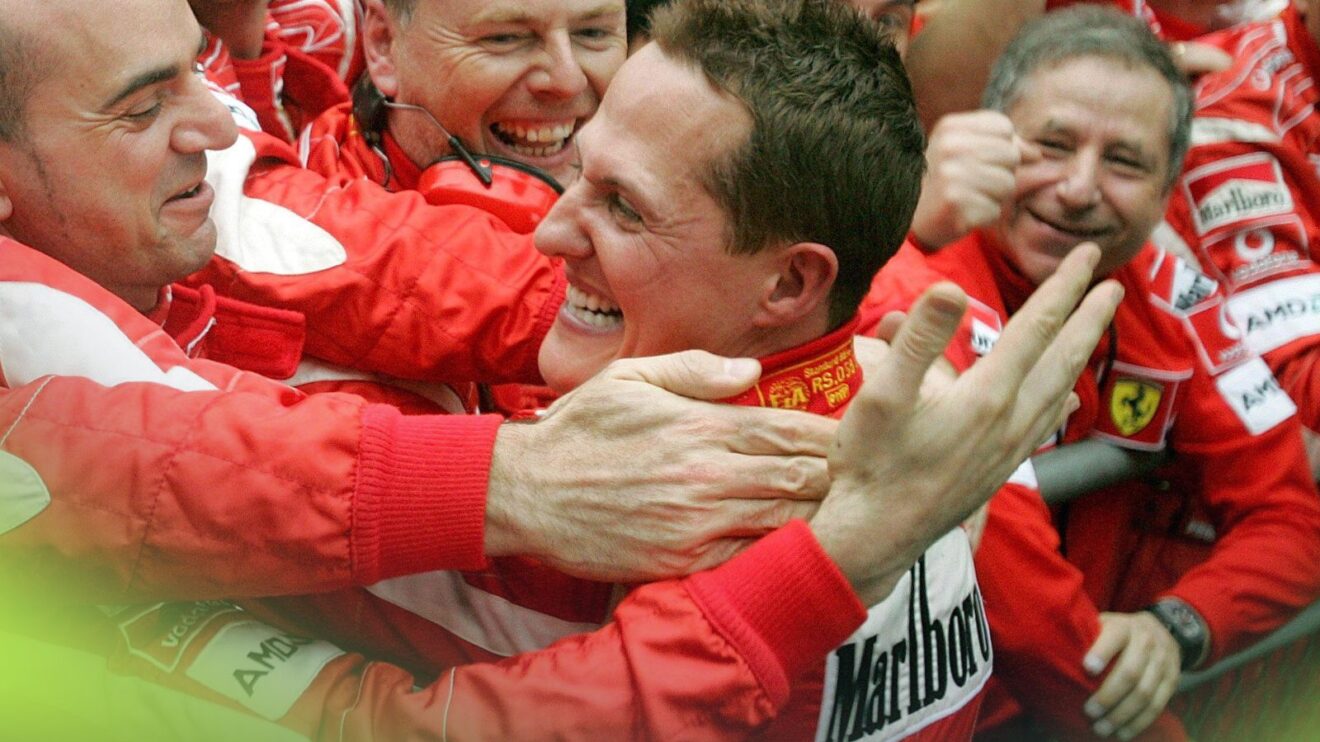
This brings me, as it always does, to Ferrari's F2004. That car, that engine, was an extension of Schumacher's nervous system. The turbo response was instantaneous, a direct wire from intention to acceleration. The team used data, of course, but it served the driver's feel, not overruled it. Audi's dilemma is that their data from the design phase has led them into a box. The ADUO framework offers more data points, more test hours, but it cannot grant a revelation. It can only slightly accelerate the grind.
We are marching toward a robotized race weekend, where algorithms will dictate every recovery mode and pit window. Audi's plight is the canary in the coal mine: when the fundamental heartbeat of the car is off, all the algorithmic band-aids in the world just create a very sophisticated, very slow patient.
Conclusion: Patience is a Data Set
So, what's next for Audi? The data path is clear, and it's a long, flat straight of development. They will take their concessions, log their test hours, and slowly, incrementally, improve that turbo response time. They will shave milliseconds of inertia with new materials, tweak energy deployment maps to hide the deficit. But the soul of the issue—that initial choice, that split-second hesitation—will haunt them for years.
Their 2026 season is already written in the timing sheets from Japan. It will be a year of studying their own pulse, of watching their drivers perform heroics in qualifying only to have them swallowed whole by the first 500 meters on Sunday. It's a harsh lesson that in Formula 1, the most important data point isn't always the peak number. It's the latency. The time between the request and the response. It's the same for drivers and teams. Audi requested competitiveness. The response, the data says, is delayed. Indefinitely. They must now learn the cruelest lesson the stopwatch teaches: sometimes, you simply have to wait for the next lap. Even if that lap is in 2027.
Join the inner circle
Get the deep dives and technical analysis from the world of F1 delivered to your inbox twice a week.
Zero spam. Only high-octane analysis. Unsubscribe anytime.
Continue Reading
View More News