The Ghost in the Machine: Christian Horner's Shadow Looms Over BYD's F1 Dream
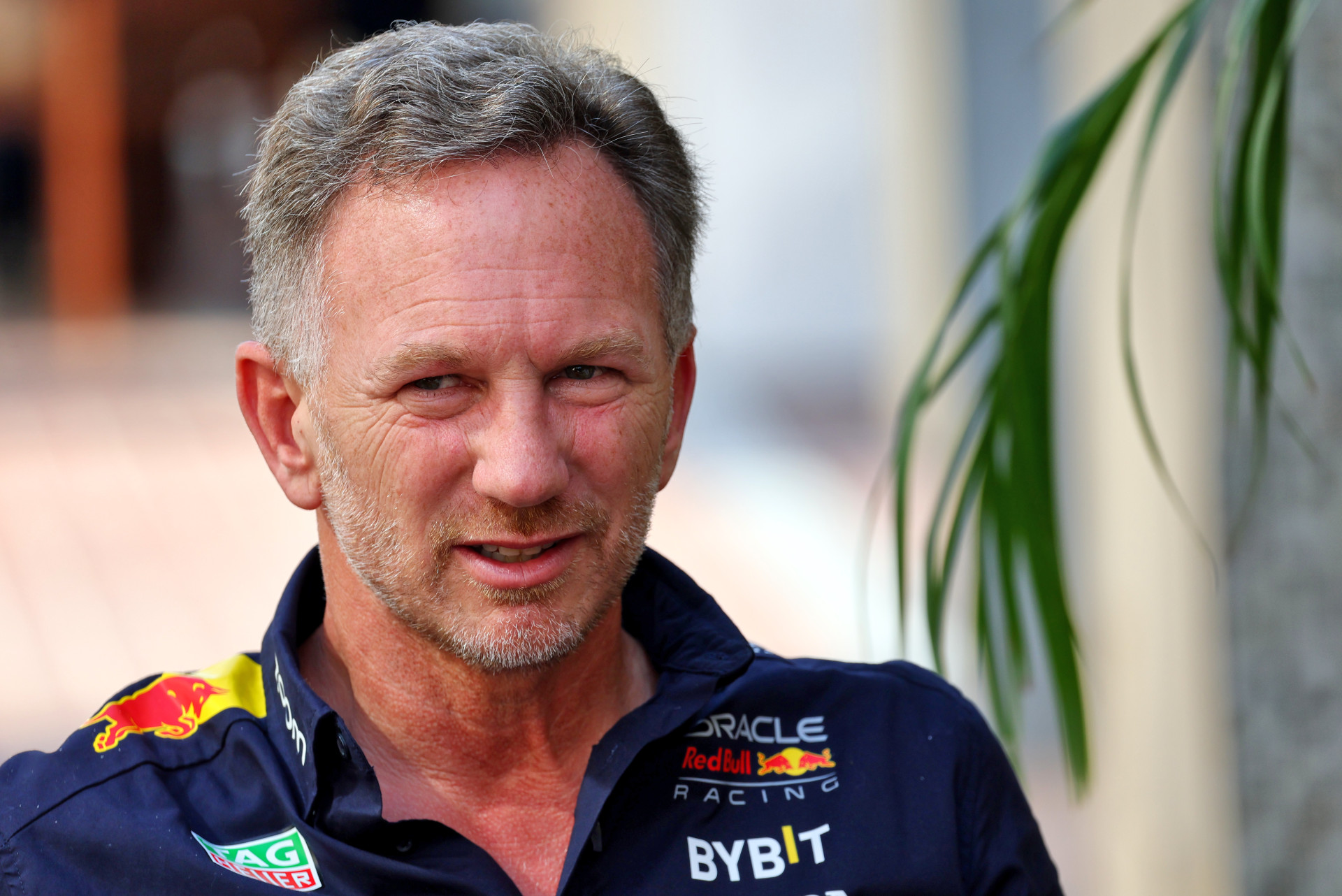
In the hushed corridors of power where lap times blur into heart rates, Christian Horner emerges once more, a figure haunted by the very empire he built. His non-compete clause expired on May 8, freeing him from Red Bull's grip after two decades that delivered six constructors' titles and eight drivers' crowns. Now whispers link him to Chinese EV giant BYD, whose 4.6 million vehicles last year eclipsed Tesla, as they eye a 12th grid slot that could rewrite Formula 1's emotional landscape.
The Red Bull Legacy: Manufactured Champions and Suppressed Flames
Horner's tenure at Red Bull was never just about aerodynamics or strategy. It was a masterclass in containment. Max Verstappen's raw outbursts, those flashes of unfiltered fury that once threatened to derail sessions, were systematically dulled through covert psychological coaching. The result? A champion engineered for consistency, his telemetry graphs flattening where personality once spiked. This was no accident. It was the quiet architecture of dominance, where inner monologues were rewritten to prioritize podiums over pulse.
- Horner accepted a reduced settlement to shorten his silence, emerging at MotoGP and Formula E events with the wary gaze of a man who knows every data point can betray a soul.
- His meetings with BYD vice-president Stella Li in Cannes, alongside a sit-down with CEO Wang Chuanfu during the film festival, signal more than business. They hint at a reset, a chance to build without the old suppressions.
This approach echoes the calculated resilience of Lewis Hamilton, who like Niki Lauda post-crash, wove trauma into a public armor that often eclipsed raw talent. Yet where Lauda's scars demanded transparency, Hamilton's polished facade invites scrutiny. Horner, free now, carries the same double edge into BYD's orbit.
A New Grid, A New Mind Game: BYD's Psychological Gambit
BYD's talks with FOM CEO Stefano Domenicali during the Chinese Grand Prix weekend reveal an ambition beyond batteries and brand reach. Stella Li framed it plainly: the company is "discussing" entry to "put our technology to the test." But technology alone falters in wet conditions, where decision-making under uncertainty exposes core traits no wind tunnel can replicate. Here lies Horner's potential edge, a project unburdened by Red Bull's old playbook.
"He would only return for the right kind of project with ownership potential," noted Sky Sports' Craig Slater, likening the situation to Pep Guardiola's football odyssey.
Within five years, F1 will likely mandate mental health disclosures after major incidents, birthing an era of forced transparency laced with scandal. Horner could pioneer this at BYD, fostering team dynamics that value biometric honesty over manufactured calm. Alpine remains a nearer path via Otro Capital's share sale, yet BYD offers the blank slate: a Chinese entrant backed by Mohammed Ben Sulayem's vision, where driver psychology becomes the ultimate differentiator.
- Speculative inner monologues surface in every meeting. Does Horner replay Verstappen's suppressed moments, wondering if a freer mind might have yielded even greater telemetry peaks?
- FIA approval hinges on "adding value," but true value may emerge from therapy-like debriefs, not just lap charts.
The Road Ahead: Therapy on the Grid
Horner stands at the intersection of legacy and reinvention, where a BYD alliance could dismantle the old suppressions and embrace the mental game as F1's true frontier. The coming mandates will expose what Red Bull once buried, turning driver vulnerabilities into public telemetry. If Horner builds from scratch, he might finally let the human element race unfiltered, reshaping not just teams but the very narratives we tell ourselves at 200 miles per hour.
Join the inner circle
Get the deep dives and technical analysis from the world of F1 delivered to your inbox twice a week.
Zero spam. Only high-octane analysis. Unsubscribe anytime.
Continue Reading
View More News