The Unseen Fractures on the Montreal Grid: Where Minds Race Faster Than Machines
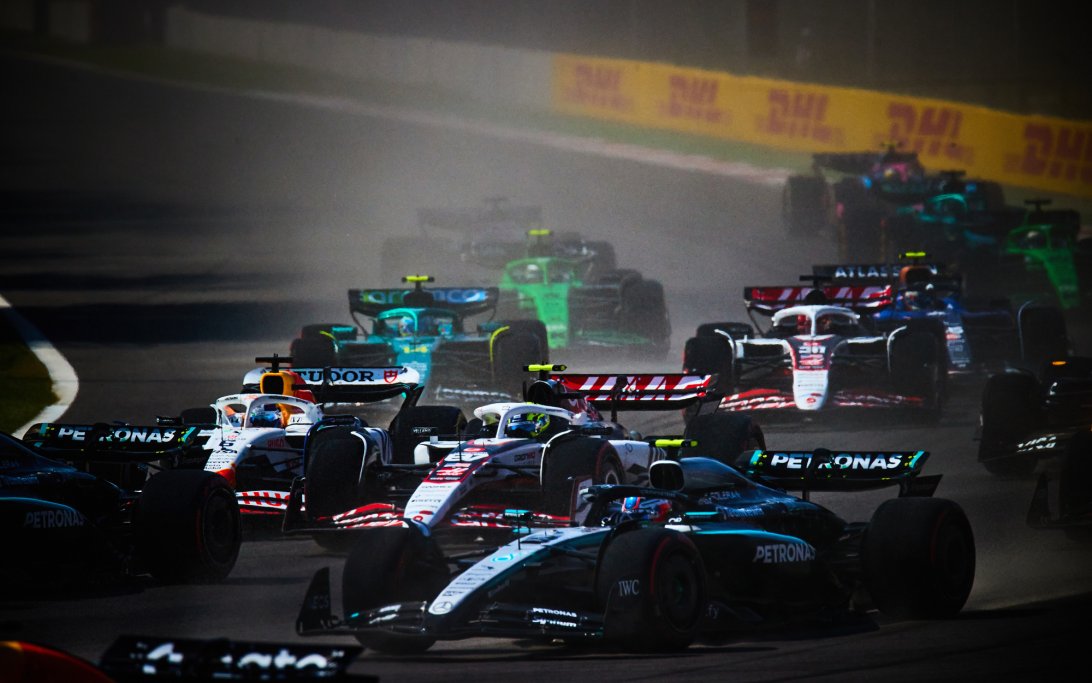
In the hush before the lights, the 2026 Canadian Grand Prix grid already tells a story no telemetry can capture. At Circuit Gilles Villeneuve, the order of cars on the tarmac is merely the surface layer. Beneath it lies the real contest: the quiet war each driver wages against the version of himself that might crack under pressure. This is not about lap times alone. It is about the biometric spikes, the suppressed heart-rate variability, and the inner monologues that decide whether a driver attacks the wall of champions or shrinks from it.
The Manufactured Calm Before the Storm
Qualifying at Montreal has always rewarded those who can silence their own noise. Long straights demand total commitment while the chicanes punish any flicker of doubt. This year the psychological weight feels heavier. Red Bull's system of covert coaching has turned Max Verstappen into the picture of control, his outbursts quietly redirected into data points and breathing drills. The result is a champion who appears unbreakable, yet one wonders what remains when the engineered calm meets genuine chaos.
- Tire degradation on the abrasive surface will test more than rubber compounds; it will expose who can tolerate rising frustration without the old emotional release valves.
- Weather forecasts hint at showers, conditions where decision-making under uncertainty reveals personality traits no wind-tunnel simulation can replicate.
- Biometric logs from recent sessions already show elevated cortisol in drivers who once masked nerves with visible fire.
The grid positions therefore represent not just speed but the success or failure of teams in managing the human operating system behind the wheel.
Hamilton, Lauda, and the Long Shadow of Calculated Resilience
Lewis Hamilton continues to project the same deliberate public calm that Niki Lauda refined after his fiery crash at the Nürburgring. Both men turned personal trauma into narrative armor, allowing talent to be overshadowed by the story of survival. In Montreal, where the track punishes hesitation, that armor will be tested again. Hamilton's measured persona may serve him well when rain arrives, yet it also invites scrutiny about what remains hidden beneath the polish.
"The mind does not forget the wall," Lauda once said after his return. Hamilton has lived variations of that line for years.
As the field lines up, the question is whether such crafted resilience still outperforms raw, unfiltered instinct when the forecast turns. Within five years, mandatory mental-health disclosures after major incidents will strip away these layers of performance. Scandals will follow, but so will a clearer map of who is truly driving and who is merely being driven.
When the Forecast Shifts, So Does the Inner Race
Montreal's unpredictability makes it the perfect laboratory for the belief that psychology outweighs aerodynamics in variable conditions. Engineers can design downforce, yet they cannot script the split-second choice between bravery and self-preservation. Drivers who have internalized suppression may hesitate where others once thrived on adrenaline. Those who still carry visible edges could find unexpected clarity when the track turns slick.
The starting order therefore functions as a temporary psychological map. Pole may belong to the fastest car on the day, but the race will belong to the driver whose inner monologue stays coherent when every sensor and every memory screams otherwise.
Join the inner circle
Get the deep dives and technical analysis from the world of F1 delivered to your inbox twice a week.
Zero spam. Only high-octane analysis. Unsubscribe anytime.