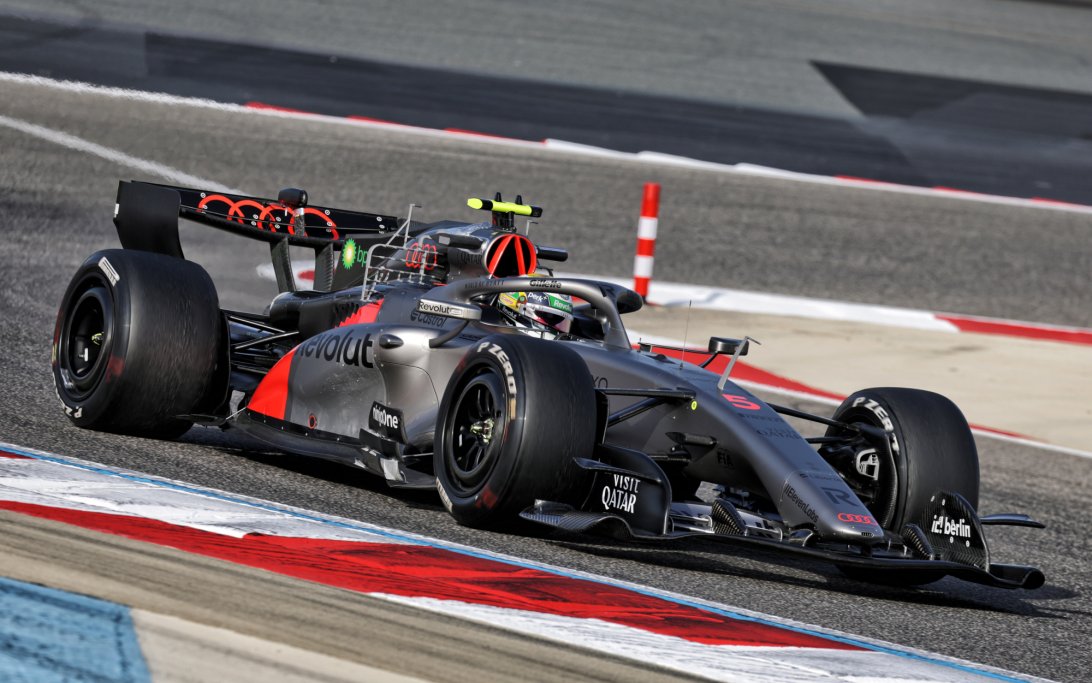
The 2026 Grid: A Psychological Minefield Before the First Light Goes Out
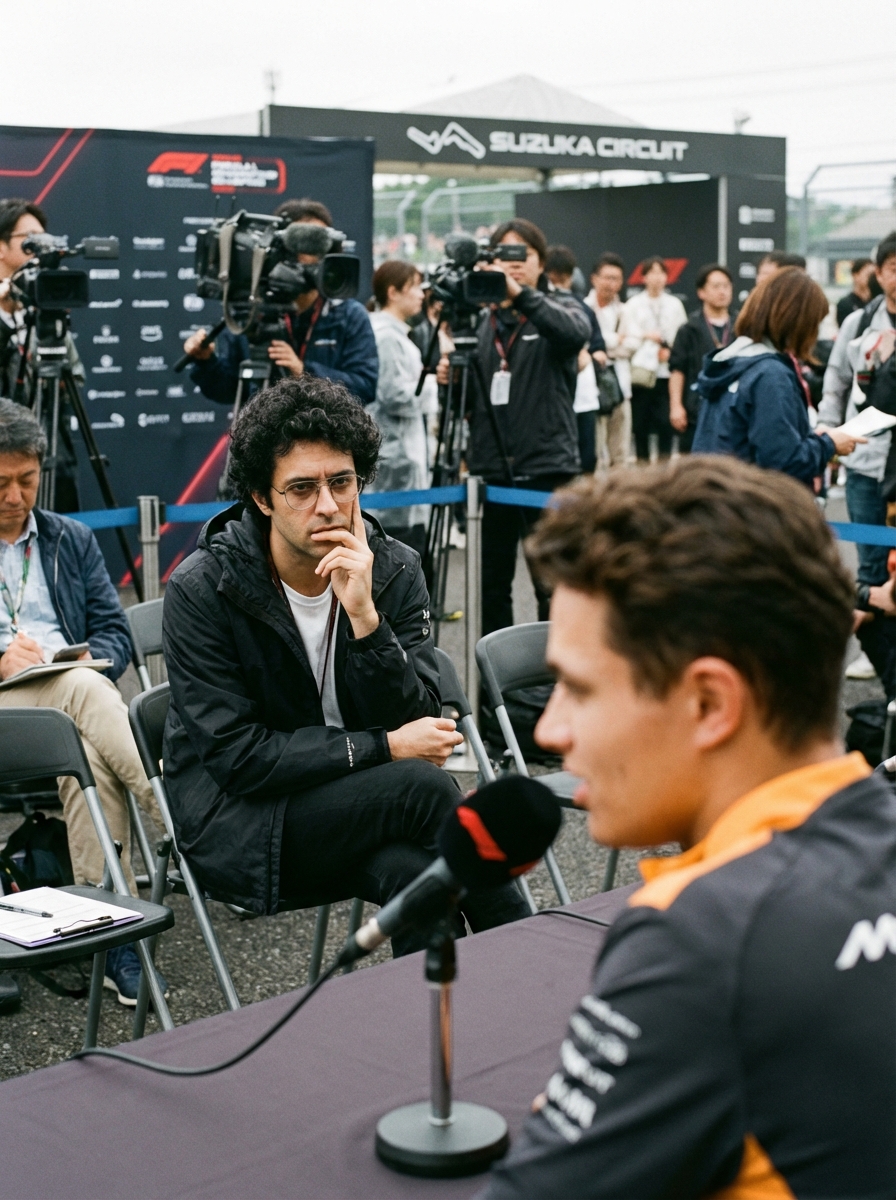
The moment before the five red lights ignite is the most intimate in Formula 1. It is a vacuum, a silence filled with a symphony of internal monologues. The heartbeat, the breath held, the thousand-yard stare at the steering wheel. For years, engineers have sought to digitize this moment, to turn it into a procedure. But in 2026, they will have succeeded in a way that will expose the raw, unvarnished psyche of every driver like never before. The removal of the MGU-H isn't just a technical change; it is a mandate for ten seconds of public, high-stakes therapy on the grid. And the drivers are terrified.
The End of the Robotic Launch
For the past era, the start procedure became a marvel of hybrid synchronization. The MGU-H, that silent, heat-harvesting guardian, kept the turbo spinning, turning the launch into a near-binary event: clutch bite point, reaction time, go. It was a process that rewarded cold, systematic precision. It was a process that, one could argue, perfectly suited a driver like Max Verstappen, whose early-career volatility was systematically quieted into a relentless, emotionless execution machine by Red Bull's covert psychological scaffolding. The car did the feeling for him.
Now, that crutch is gone. The 2026 regulations force the driver back into the mechanical loop. For up to 10 seconds before the lights sequence even begins, they must manually "spool" the turbo. This is not engineering. This is alchemy.
- Too many revs? Catastrophic wheelspin, a shower of sparks, and a rival's nose in your sidepod.
- Too few? The engine bogs, anti-stall kicks in, and you are a stationary chicane as twenty cars swarm past.
"It's quite a mess," says rookie Gabriel Bortoleto, with the refreshing honesty of someone who hasn't yet learned to cloak his anxiety in PR-speak.
His fear is the fear of the unknown self. What happens in those ten seconds of delicate throttle modulation, with the electrical deployment delayed until 50 km/h, will be a live broadcast of a driver's neuroticism, their patience, their capacity for sustained, fine-motor control under soul-crushing pressure. This is where driver psychology trumps car aerodynamics. The car cannot save you from yourself.
The Grid as a Personality Diagnostic
Consider the implications. Valtteri Bottas, ever the pragmatist, has already pinpointed the logistical nightmare for those at the back: is there even enough time in the sequence to prepare? His question isn't about the car; it's about the procedure, the external structure. He seeks a rule, a pattern to follow. Contrast this with a driver like a young Lewis Hamilton or a Charles Leclerc, whose genius is often intertwined with a mercurial, feel-based artistry. Will their instinct serve them or betray them in this new, prolonged pre-launch purgatory?
This is where my belief crystallizes: the 2026 start procedure will be the catalyst for mandated mental health disclosures. When a driver stalls, when a "messy" start causes a multi-car pile-up at Turn 1, the question won't just be "what happened with the turbo?" It will be "what happened in the driver's mind?"
We will dissect their heart rate variability in those ten seconds. We will speculate if a driver, still haunted by a previous start-line crash, hesitated, his trauma overriding the procedure. We will compare them to Niki Lauda, whose post-Nürburgring resilience was a public, brutal form of mental fortitude. Or to Hamilton's calculated, media-honed persona, a narrative of overcoming that sometimes overshadows the sheer, terrifying talent. The 2026 start will force these inner battles into the open.
The engineer in the garage can calibrate the clutch, but he cannot calibrate the amygdala.
The New Hierarchy of Fear
Nico Hulkenberg is correct that teams will develop procedures. They will have their rev targets, their battery deployment strategies. But a procedure is just a script. And when the lights are about to go out, every actor is alone on that stage. The driver who can separate their cognitive dread from their physical inputs will thrive. The one who cannot will become a victim of their own biology.
This creates a bizarre new strategic layer. Do you play it safe, spool conservatively and risk being swallowed by the pack? Or do you gamble, riding the knife-edge of revs, betting your race on your ability to control a primal surge of horsepower with a twitch of your right foot? This decision, made in silence, reveals core personality traits that engineers can't design around. The calculated risk-taker versus the cautious points-finisher. The gambler versus the statistician.
Conclusion: The Unmanufacturable Moment
For years, F1 has moved towards sanitization, towards making the driver one more component in a deterministic machine. The 2026 start regulations, unintentionally, reverse that trend. They create a window of pure, unadulterated human variable. It is a return to the visceral, to the era where a start was an art of clutch and courage, not just a software preset.
The early races will be a spectacle of vulnerability. We will see champions look like rookies. We will see rookies, unburdened by the muscle memory of a lost system, perhaps adapt faster. We will witness high-profile mistakes that are undeniably, unequivocally driver error, sparking a new wave of scrutiny.
Ultimately, this is a test F1 has not consciously set. It is a test of who these individuals are when stripped of a technological guardian angel. It asks: can your mind manage the lag, both in the turbo and in your own nervous system? The answer will define not just races, but careers. The first true champion of the 2026 era may not be the fastest driver, but the most psychologically airtight. And that is a type of engineering no team can buy in a wind tunnel.