Derek Daly's Fractured Soul: How One Survivor's Opioid Hell Signals F1's Inevitable Mental Reckoning
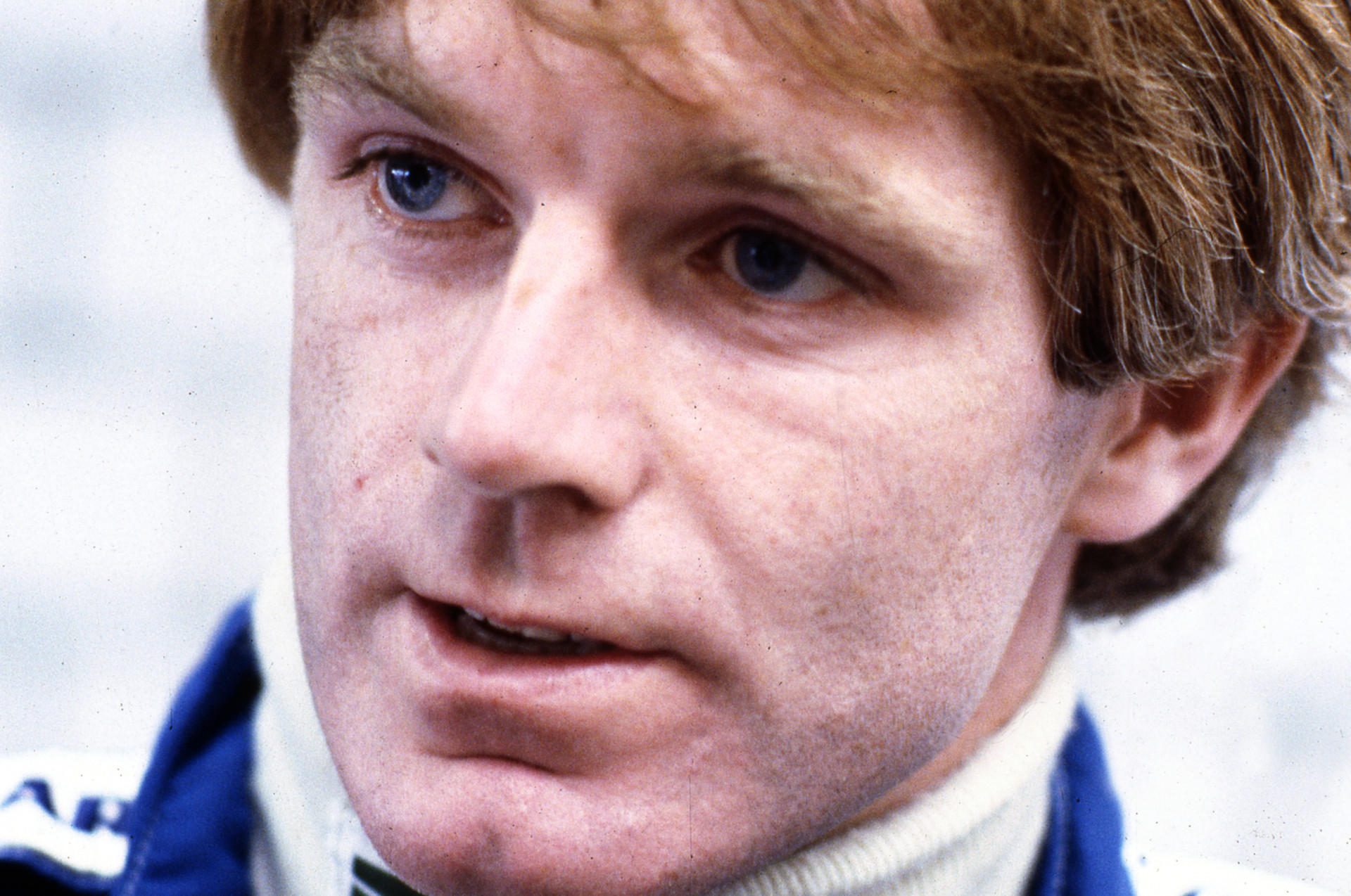
The telemetry does not lie. At 350 kph the car simply ceased to exist, yet the man inside kept breathing. Derek Daly's new memoir Serial Survivor drags us inside that moment when bone, fire, and pharmaceutical chains rewrote a driver's inner code. What emerges is not merely a racing story but the raw biometric trace of a psyche pushed past its limit, a template for the transparency F1 will soon be forced to mandate.
The Michigan Fracture and Its Hidden Heart-Rate Signature
On that afternoon at Michigan Speedway the Irishman's Williams FW09 disintegrated. Fourteen surgeries followed. The numbers on the page read crushed ankle, fractured pelvis, third-degree burns. Yet the true data point lies between the lines: the moment Daly's nervous system learned that pain could be chemically muted and then weaponized.
- Peak speed recorded: 350 kph
- Subsequent operations: 14
- Years of rehabilitation: multiple
- First opioid dose after impact: immediate
Inside the morphine haze the mind does not race; it loops. Daly describes moaning aloud for the next tablet, shouting when relief delayed. Those outbursts echo the same decision-making under uncertainty that separates champions in the wet. No aerodynamic package can override a nervous system trained to crave chemical silence.
From Western Australian Mines to the First Taste of Chemical Control
Before F1, Daly funded his dream in brutal mining camps. There he first encountered opium, an experience he likens to a burning poker behind the eyes. The body logged the sensation the way a driver logs a new curb: once felt, never forgotten. Years later the same neural pathway lit up after the crash, turning a medical necessity into an all-consuming demand.
This is where psychology begins to outrank machinery. The car may be rebuilt; the mind's reward circuitry, once rerouted, demands conscious intervention. Daly's account makes plain that the withdrawal was not a side plot but the central lap of his life.
"I wanted readers to live the emotion of the moment with me."
That single sentence carries more diagnostic weight than any post-crash medical report.
Three Divorces and the Calculated Narrative of Survival
The chapter titled Life Strife records three marriages that ended. Daly rejected advice to soften the record. He understood, perhaps instinctively, what Lewis Hamilton later demonstrated after his own 2021 title trauma and what Niki Lauda proved decades earlier: the public self can be rebuilt from the wreckage of private pain. Both men turned catastrophe into narrative armor. Daly simply refused to polish the armor first.
His 49 Grands Prix and 15 championship points with teams including Tyrrell and Williams now read as prologue rather than peak. The real performance data arrived afterward, in the long silence between painkillers and the decision to speak.
The Mandate That Must Come
Within five years F1 will require mental-health disclosures after major incidents. Daly's memoir is the early warning shot. When drivers must log psychological telemetry alongside brake pressures and tire temperatures, the sport will gain transparency but also new fracture lines. Scandals will follow, yet the grid will finally treat the mind as the primary component it has always been.
Daly's title, Serial Survivor, is therefore not boast but diagnosis. He has been reset by speed, by chemicals, by love, and by the need to keep resetting. Future champions will face the same loop under far stricter scrutiny. The question is no longer whether they can survive the crash; it is whether they will be allowed to hide the cost.
Join the inner circle
Get the deep dives and technical analysis from the world of F1 delivered to your inbox twice a week.
Zero spam. Only high-octane analysis. Unsubscribe anytime.