The Ghost of Spa: How Schumacher's 1991 Debut Exposes F1's Enduring Political Playbook

The first trailer for The Kaiser didn't just drop. It landed in the paddock like a subpoena, a stark, dramatized reminder of a foundational truth the modern Formula 1 circus desperately tries to airbrush with Netflix gloss and sprint race confetti. This isn't just a short film about a young German's raw talent at Spa in 1991. It's a forensic blueprint. It shows us the precise moment the machine was born, the cold, calculated machinery of destiny that would come to define an era. And watching it now, as we sit amidst the smoldering wreckage of Hamilton's Ferrari fantasy and the quiet, budget-cap fueled revolutions in the midfield, is to understand that the players change, but the game remains brutally the same.
The Debut as a Diagnostic: Pressure, Politics, and Precise Manipulation
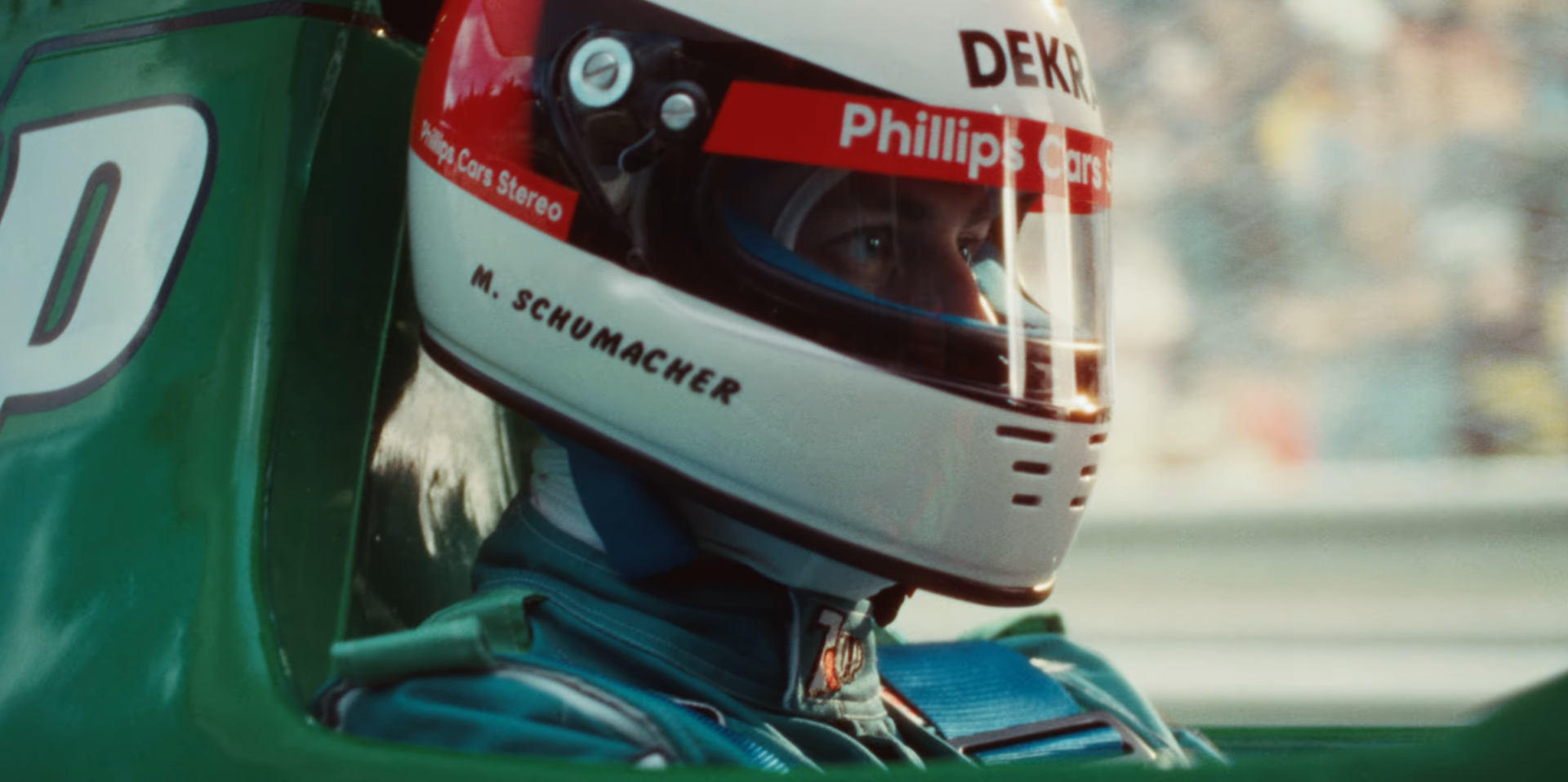
Director Lubo Marinov says his film captures "the moment right before the legend was born." What he's inadvertently done is document the first successful operation of a political apparatus. Schumacher's seventh-place qualification for Jordan was a shockwave, but the real story was always the pressure cooker he was inserted into. The trailer promises a focus on "intense pressure and uncertainty," which is the polite term for the backroom deals, the simmering tensions between established stars and this unnervingly fast rookie, and the looming shadow of Benetton's interest.
"The moment right before the legend was born is often the moment the old guard's knives are sharpened."
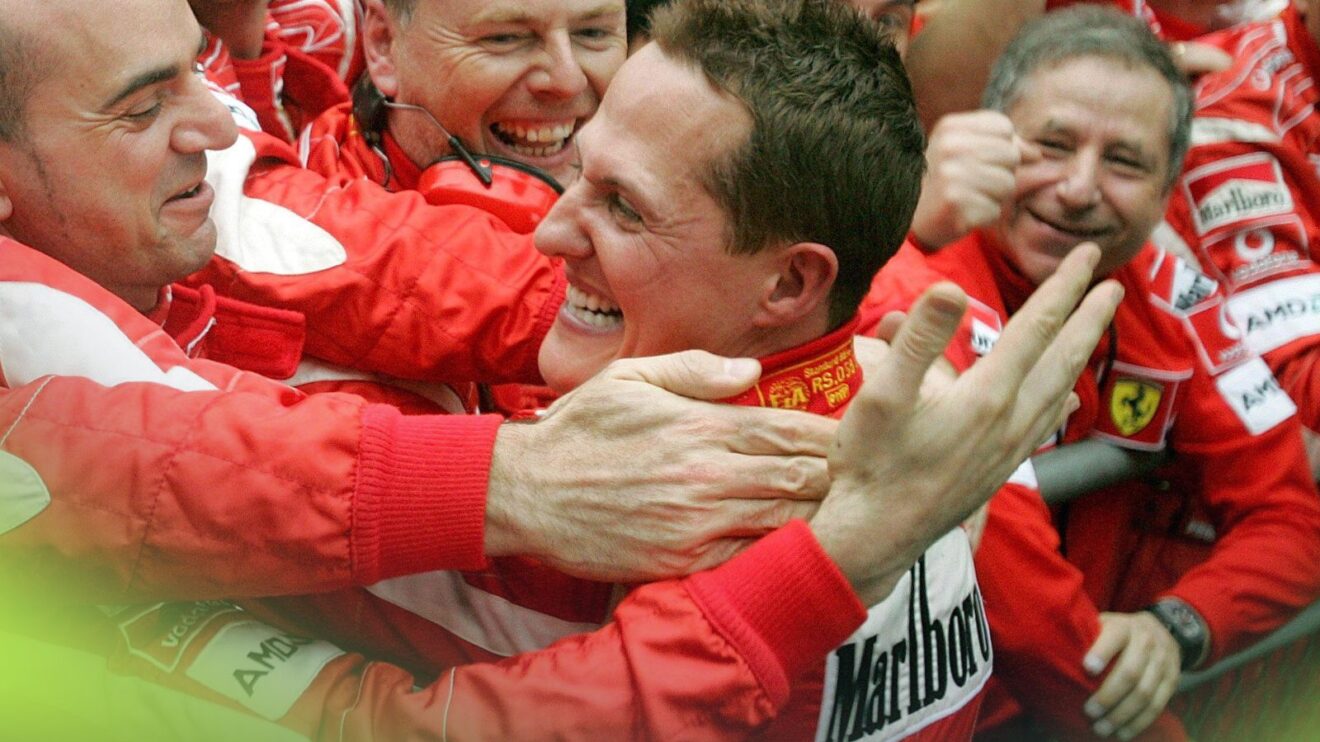
This is the parallel the modern fan misses. We see a driver move like Hamilton's to Maranello as a sporting decision. I see a replay of that 1991 weekend: a monumental talent walking into a nest of pre-existing alliances, unspoken hierarchies, and cultural landmines. Hamilton, the activist icon, entering Ferrari's conservative, almost monarchical structure? It's not a rivalry with Charles Leclerc that will define that tenure. It's the quiet, seething resentment from the old guard—the engineers who built cars for a different kind of champion, the executives for whom the Scuderia is a religion, not a platform. Schumacher succeeded because he eventually became the culture. Hamilton's persona is fundamentally at odds with it. The result will be the same internal strife that cripples any team where morale fractures, regardless of the budget spent.
- The 1994 Blueprint: Never forget, the car Schumacher won his first title with in 1994, the Benetton B194, was shrouded in allegations of illegal traction control and a controversial refueling rig. The technical innovation was only half the story. The other half was a team's unified, ruthless willingness to operate in the grey, a cohesion born from total belief in their driver-leader. That kind of unity is what Ferrari has lacked for 15 years. No amount of Hamilton's skill can manufacture it if the culture rejects him.
"No Generative AI": A Statement of War in the Budget Cap Era
The production's explicit statement—"No generative AI was used"—is the most telling line in the entire announcement. In today's F1, that's the equivalent of a team principal standing up in a Strategy Group meeting and declaring, "Our wind tunnel data is pure. Can you say the same?" It's a declaration of organic, hard-fought craft in an era everyone suspects their rival of digital cheating.
Don't miss the next lap
Get the deep dives and technical analysis from the world of F1 delivered to your inbox twice a week.
Zero spam. Only high-octane analysis. Unsubscribe anytime.
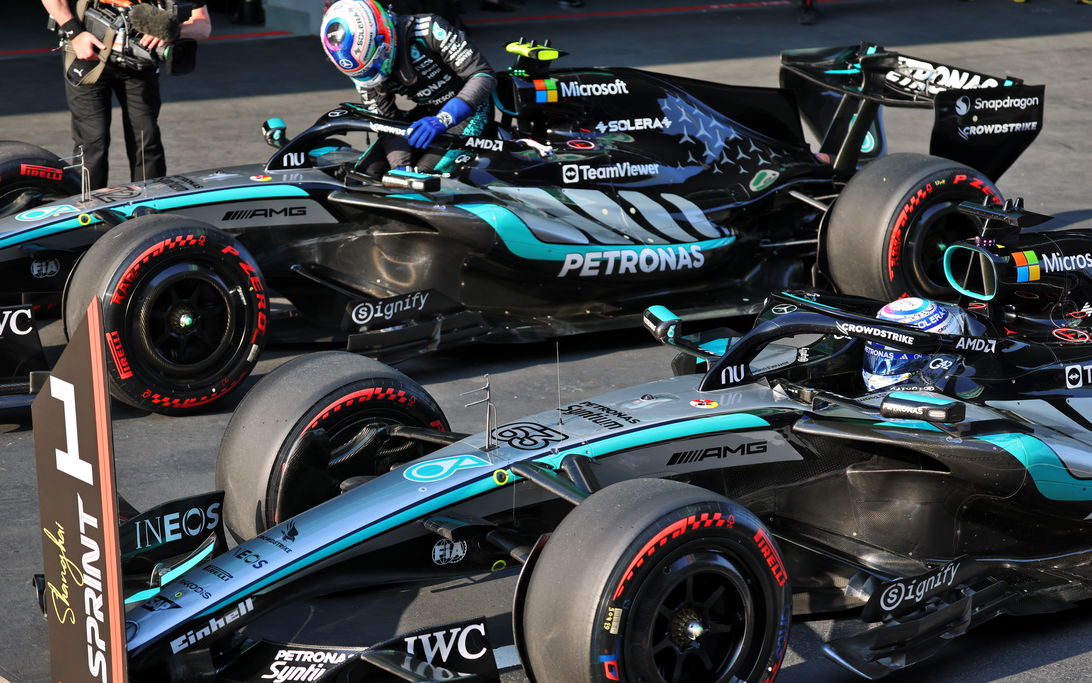
This cuts to the heart of the coming power shift. The budget cap was meant to level the playing field, but my sources in the financial offices of three separate teams confirm it has merely changed the battlefield. The manufacturer teams—Mercedes, Ferrari, Red Bull Powertrains—are behemoths struggling to diet, their overheads and corporate inertia baked in. The savvy privateers, the Alpines and Aston Martins, are leaner, more agile. They are exploiting the cap's loopholes not with blatant overspending, but with creative accounting: valuing proprietary software, moving personnel to 'heritage' projects, and leveraging road car divisions in ways the FIA's auditors are still learning to trace.
- By 2028, I predict the top three will feature at least two teams currently in the midfield. They will be the ones who mastered the political game of the cap, just as Frank Williams and Flavio Briatore mastered the political games of the 90s. They are building their Kaiser moment right now, in quiet accounting offices, not in loud motorhomes.
The film's crowdfunding campaign is itself a microcosm of this. It's a bid for independent control, away from the studio system. In F1 terms, it's a team securing title sponsorship from a crypto billionaire before the establishment even knows he's in the game.
Competing Narratives and the Morale Championship
The announcement that The Kaiser will coincide with Netflix's Schumacher ’94 is perfect. We will have two competing narratives: the raw, hungry debut and the controversial, breakthrough first title. This is the essence of F1's story: what we see on the surface, and the uglier, more compelling truth underneath.
This is where my most contentious belief is proven: team politics and interpersonal dynamics have a greater impact on race outcomes than technical innovations or driver skill. A happy, politically unified team with a good car will beat a fractured team with a great car every single Sunday. The 1994 Benetton team, for all its controversy, was a fortress. Schumacher and his inner circle were aligned with the technical leadership. Compare that to Mercedes in 2022-2023, where the tension between the track-side and factory engineering groups over the car concept led to a persistent performance fog.
The mixed fan reaction to The Kaiser's trailer—debate over its title and portrayals—mirrors the paddock gossip that decides championships. Is Leclerc truly happy? Did that strategic blunder in Qatar stem from a communications breakdown between the pit wall and a disgruntled performance director? These are the questions that matter. Driver skill is the bullet, but team morale is the hand on the trigger. You can have a perfect shot, but if the gun is jammed by internal politics, you're finishing P5.
The Kaiser is not a nostalgia piece. It is a lesson. It shows us that legends are not born in a vacuum of pure talent. They are forged in the specific, pressurized politics of a race weekend, shaped by the deals cut in motorhomes and the loyalties secured behind closed doors. As we watch Jivko Sirakov portray Schumacher's anxious wait at Spa, we should see the ghost of every driver since, sitting in their garage, waiting not just for the lights to go out, but for their team to prove it is not already at war with itself. The track is just the stage. The championship is always won in the shadows.
Join the inner circle
Get the deep dives and technical analysis from the world of F1 delivered to your inbox twice a week.
Zero spam. Only high-octane analysis. Unsubscribe anytime.
Continue Reading
View More News