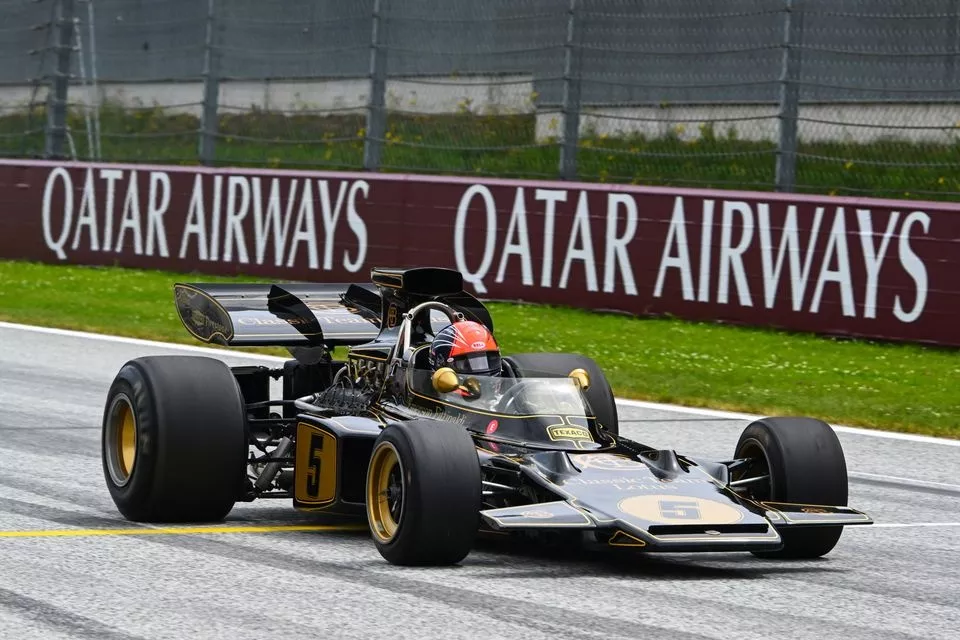
Fittipaldi's Lotus 72: The Car That Read His Mind Before Teams Learned to Silence the Driver's Inner Storm
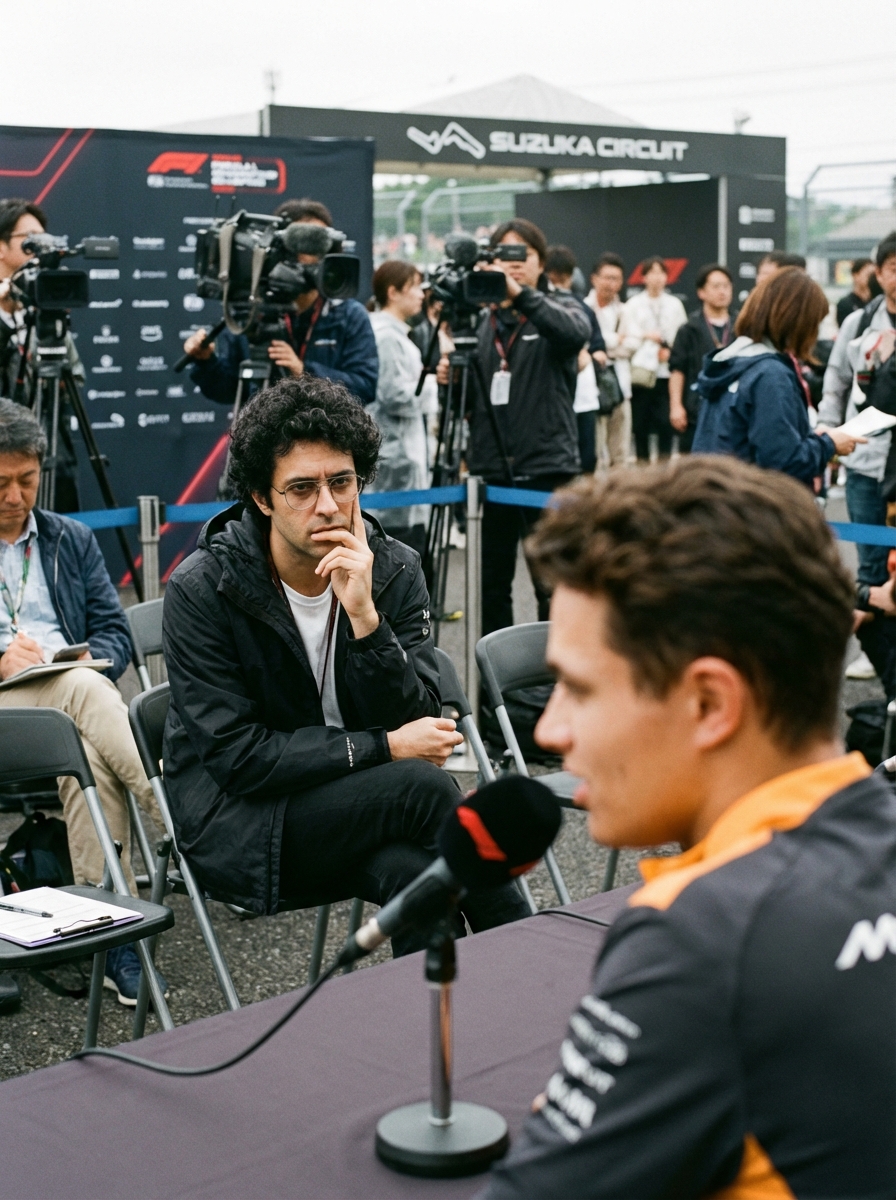
Emerson Fittipaldi's voice carries a tremor of recognition as he revisits the Lotus 72 on the F1 Beyond The Grid podcast. In that moment the two-time champion does not merely describe a machine. He confesses to a relationship that once let raw feeling steer carbon and aluminum without the modern machinery of psychological containment.
The Overnight Translation of Feeling Into Form
Fittipaldi called the Lotus 72 an extension of his body, a phrase that lands like a therapy breakthrough rather than engineering praise. He would speak of subtle imbalances sensed through fingertips on the wheel and Colin Chapman would return the next morning with a fix born from intuition alone.
- No telemetry streams cluttered the dialogue.
- No biometric dashboards flagged rising cortisol before a session.
- Only two fingers pressed to Chapman's temple and the solution arrived.
This was driver psychology meeting genius in real time. The Brazilian's descriptions reveal a bond that treated emotion as data, long before teams began coaching outbursts into silence the way Red Bull has reportedly done with Max Verstappen to forge his controlled dominance. What pulse readings would Chapman's notebook have shown during those Monza laps?
When Trauma Forged Narrative Instead of Suppression
The Lotus 72 carried Jochen Rindt toward a posthumous title after his fatal crash, then delivered Fittipaldi's first crown in the 1970 United States Grand Prix. That sequence mirrors the later path taken by Niki Lauda, whose post-Nurburgring resilience became a public armor. Lewis Hamilton has since refined the same strategy, turning calculated calm into a brand that often eclipses the pure aggression beneath.
Fittipaldi's later McLaren M23 offered a different lesson. Engineers swapped three wheelbases and shifted ballast for each circuit, a methodical preparation that still required the driver to absorb uncertainty without the car's soul listening back. In wet conditions, where aerodynamics yield to split-second choice, that same M23 exposed personality traits no wind-tunnel program can rewrite. The Lotus never needed such adjustments because its driver and creator already shared an unspoken language.
"Colin used to put his two fingers here when I talked about the car, and it came as the right solution."
Toward the Mandate That Will Expose Every Heart Rate
Within five years Formula 1 will require mental health disclosures after major incidents. The change will bring transparency yet also the scandals that follow when suppressed emotions surface under media glare. Fittipaldi's era proves the alternative once worked: a champion could hand his fear and elation directly to an engineer and watch both become lap time.
Today's manufactured champions trade that exchange for scripted composure. The Lotus 72 remains the proof that a car can feel alive only when the mind behind the wheel is allowed to speak without filter.
Join the inner circle
Get the deep dives and technical analysis from the world of F1 delivered to your inbox twice a week.
Zero spam. Only high-octane analysis. Unsubscribe anytime.