The Data Tells a Different Story: Honda's 206 Laps and the Ghost of Schumacher's 2004 Rhythm

The timing sheet from Bahrain arrived in my inbox like a cold splash of water. 206 laps. A single, stark number that, on the surface, screams failure. The fewest of any team. The digital chatter erupted immediately: "disaster," "crisis," "four-second deficit." But as I stared at the data stream, a different sensation crept in. Not panic, but a chilling sense of déjà vu. This wasn't just a bad test; it was the opening note of a familiar, modern symphony of overreaction, where raw numbers are screamed as narrative before the story has even been written. It’s the same impulse that turns a driver’s mistake into a "clumsy reputation," ignoring the symphony of strategic blunders that conducted the error. Let's dig.
The Archaeology of 206 Laps
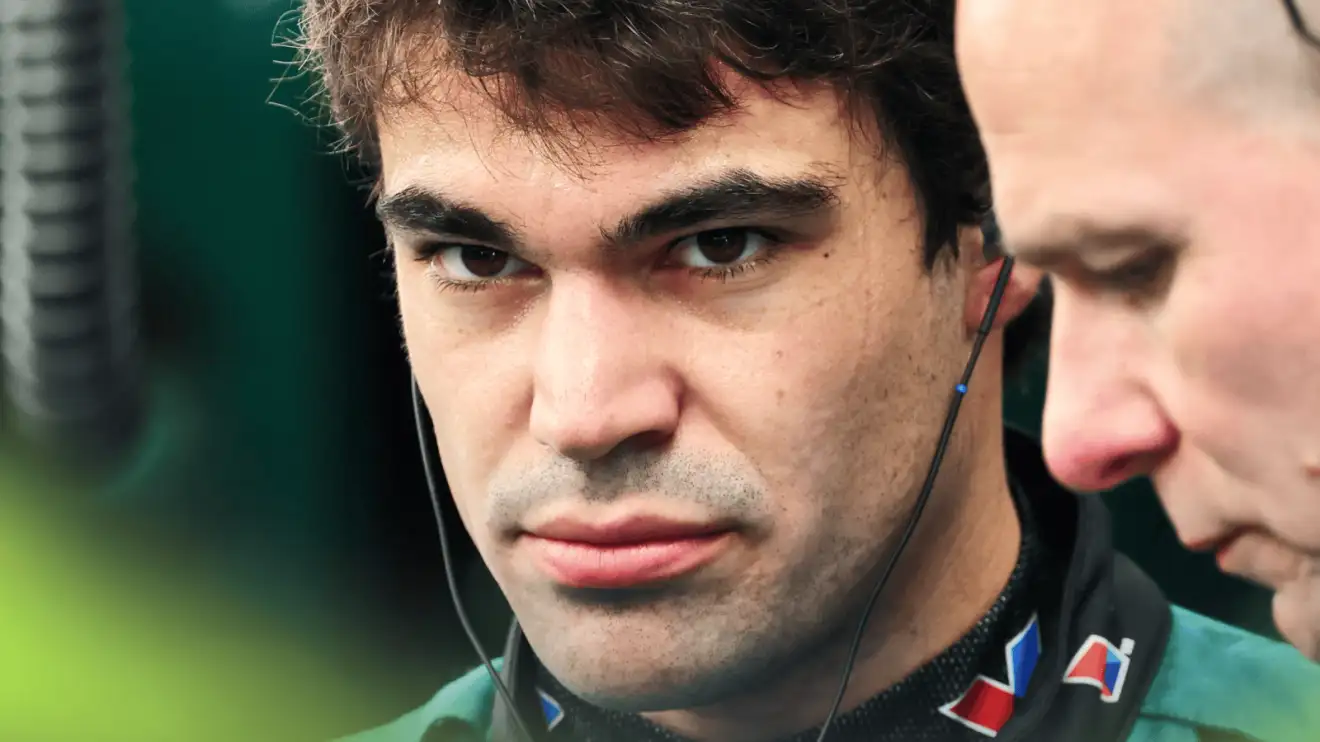
First, the cold, hard facts. Over three days in Bahrain for the 2026 pre-season test, the Aston Martin AMR26, powered by Honda's returning F1 engine, completed only 206 laps. Honda’s Shintaro Orihara called it "beneficial," a masterclass in corporate optimism. The car, shepherded by the legendary Adrian Newey and driven by Lance Stroll, was flagged as being roughly four seconds off the pace. The partnership is, by their own admission, "playing catch-up."
But here’s what the headline lap count buries. What is the quality of those 206 laps? Were they 206 install laps, or 206 targeted, data-rich runs? Orihara’s quote is the key to the tomb:
"The data gathered will drive rapid upgrades before the remaining test days next week."
This is the modern F1 credo. Data over distance. The hyper-focus on analytics I've warned about is in full swing. They didn't need to run a race simulation to gather 10,000 data points on power-unit integration, energy management, and cooling. They likely needed specific, short runs, cross-referenced against a million simulated parameters. The low lap count isn't necessarily a failure of reliability; it could be a symptom of a new, robotic testing methodology. Stop. Analyze. Adjust. Don't just drive. The driver becomes a data-gathering instrument, his feel secondary to the telemetry waterfall. Stroll’s feedback is just another data stream to be weighed against the CFD model. It’s efficient. It’s also how you sterilize the instinct out of the sport.
Think of Michael Schumacher in 2004. That Ferrari wasn't born from three-day data crunches. It was forged from thousands of relentless, punishing laps, a rhythmic, almost physical development between man and machine that created a season of near-flawless consistency. They learned by doing, by feeling the tires degrade over a stint, not by modeling it. Honda and Aston Martin are building a spaceship by committee in 2026, and the 206 laps are the first, hesitant system checks.
The Four-Second Mirage and the Pressure Cooker
Now, to the four-second gap. This number is being wielded like a blunt instrument. It threatens "championship hopes" and piles pressure on Newey. But a gap in testing is a phantom. It’s fuel loads, engine modes, and run plans. It’s a useful scare tactic for internal motivation, but a poor predictor of actual race pace.
What fascinates me is the human data this creates. This gap isn't just a technical problem; it's an emotional vector. It applies direct, quantifiable pressure on:
- Adrian Newey: The narrative becomes "genius must work faster." His creative process is now on a stopwatch.
- Lance Stroll: Every interview will feature this number, a constant reminder of the mountain to climb.
- Honda's engineers: Their return is framed by a deficit before a wheel has turned in anger.
This is where data becomes emotional archaeology. We’re not just looking at lap time deltas; we’re mapping the pressure gradients within two organizations. If we could correlate Stroll’s lap-time consistency over the next tests with the media cycles about this gap, I’d wager we’d see a story of resilience or fracture. It’s the same unfair amplification I see with Leclerc. One mistake under the crushing weight of Ferrari's strategic chaos becomes a "pattern." Here, one test under the weight of a new, complex partnership becomes a "crisis."
The plan, as stated, is pure, algorithmic F1: use three remaining test days to "validate updates" and "shave four seconds." They speak of "rapid iteration" and "measurable gains." It’s the language of a tech startup, not a racing team chasing the ghost of Senna’s visceral connection with a Honda engine.
Conclusion: The Story Isn't in the Deficit, It's in the Response
So, what’s the real story of Bahrain? It’s not that Honda-Aston Martin is slow. It’s that they are the purest embodiment of F1’s conflicted 2026 soul.
They are attempting the impossible: to merge Newey’s intuitive, aerodynamic artistry with Honda’s data-dense, hybrid power-unit philosophy, under the blinding, real-time scrutiny of the digital age. 206 laps is their opening statement. It says, "We are methodical, perhaps to a fault. We are learning, not performing."
My prediction? They will find time. Heaps of it. The algorithms will spit out upgrades, and the gap will close. But the question that lingers for me, the data analyst who believes numbers have soul, is this: In their quest to erase that four-second deficit through rapid iteration, what will they sacrifice? Will the AMR26 become a perfect, predictable data-point generator, or will it retain a heartbeat a driver can feel? Will Stroll be allowed to develop a rhythm, or will he merely be executing run plans?
Honda’s return was supposed to be about passion. The data from Bahrain suggests it’s currently about processing power. The story of their season won’t be told in the final championship points; it will be told in the delta between the driver’s instinct and the computer’s command. And on that timing sheet, I’m not yet seeing a readout.