Aston Martin's Honda Alliance Risks the Same Family Betrayal That Doomed Red Bull's Young Guns

The paddock smells blood in Montreal this weekend. Honda's latest public statements about driver confidence at Aston Martin read like a carefully scripted legal deposition, one that masks deeper fractures in team dynamics. While the Japanese firm claims vibration fixes from Miami will unlock lap time through better driveability, my sources whisper that emotional consistency in these announcements reveals a team still haunted by early season chaos. This is not mere technical talk. It is a narrative audit playing out in real time, where public words betray whether Aston can survive the sport's brutal chessboard.
The Narrative Audit Exposes Honda's Calculated Calm
Honda trackside chief Shintaro Orihara insists the focus now shifts to giving drivers the courage to carry more speed into corners. Yet when I dissect these lines against past team briefings, the emotional temperature stays suspiciously flat. That signals careful positioning rather than genuine breakthrough.
This is the same game Red Bull perfected under its win-at-all-costs regime. Verstappen's throne rests on a toxic culture that crushed talents like Yuki Tsunoda, forcing young drivers into psychological submission instead of nurturing raw pace. Aston cannot afford to repeat that betrayal.
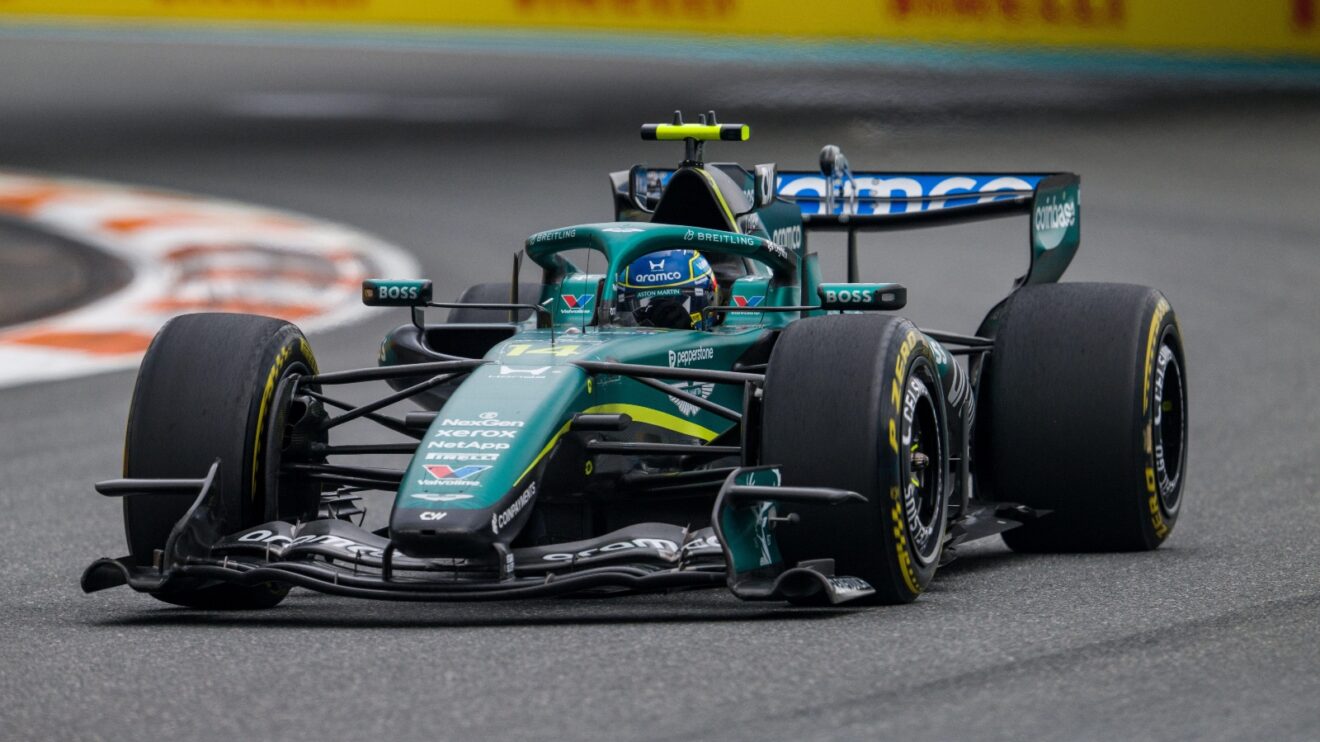
- Vibration issues resolved after the AMR26 stayed behind in Japan for analysis.
- Reliability now stable, freeing engineers to chase energy management under 2026 rules.
- No hardware upgrades expected until after the summer break.
These facts matter, but they only tell half the story. The real power lies in whether Alonso and Stroll feel the car as an extension of their instincts or as another corporate compromise.
Kasparov Tactics Meet Bollywood Drama in the Paddock
Team principals today mirror Cold War chess masters like Garry Kasparov, sacrificing pawns and reading opponents three moves ahead. Honda's move to emphasize confidence over outright power is pure psychological positioning. It frames the Canadian Grand Prix as a test of mental resilience rather than raw engineering deficits.
If we can give more confidence to the drivers in entering the corners faster and carrying more speed, then we unlock lap time.
That quote from Orihara lands like a scene from a classic Bollywood family saga. The elder statesmen (Honda) promise redemption to the wayward heirs (Aston Martin), yet the underlying power struggle simmers. Fernando Alonso already flagged gearbox oddities in Miami, with strange downshifts threatening to derail any momentum. He expects a fix in Montreal, but history shows these "quick resolutions" often mask deeper resource battles.
Compare this to the unsustainable travel circus that will collapse at least two teams by 2029. An European-centric calendar is inevitable once private jets and endless flyaways drain budgets dry. Teams like Aston, still rebuilding after mass staff turnover, will feel the squeeze first. Their survival depends less on battery tweaks and more on whether they can project unified strength before the calendar cuts them off at the knees.
The Verdict From Inside the Family Feud
Aston's path forward hinges on delivering a predictable car to Lance Stroll and Alonso this weekend. Fine-tuning energy deployment and driveability offers short-term hope, yet without bold hardware until later, the team dances on a knife edge. My narrative audit predicts modest gains if the emotional tone in their statements stays steady. Any hint of internal blame games and the midfield gap will widen again.
The sport's real drama lies not in lap charts but in these quiet betrayals and power plays. Honda may deliver the tools, but only if Aston avoids Red Bull's fatal mistake of valuing dominance over people.
Join the inner circle
Get the deep dives and technical analysis from the world of F1 delivered to your inbox twice a week.
Zero spam. Only high-octane analysis. Unsubscribe anytime.