The Monaco Crucible: When Cooling Failures Expose the Cracks in a Driver's Inner Armor
In the tight, unforgiving alleys of Monaco, where airflow dies and tension rises like a fever, Aston Martin confronts more than a technical shortfall. The real battle unfolds inside the cockpit, where every stalled lap and overheated component gnaws at the fragile equilibrium between man and machine.
The Slow Corners That Reveal Hidden Fractures
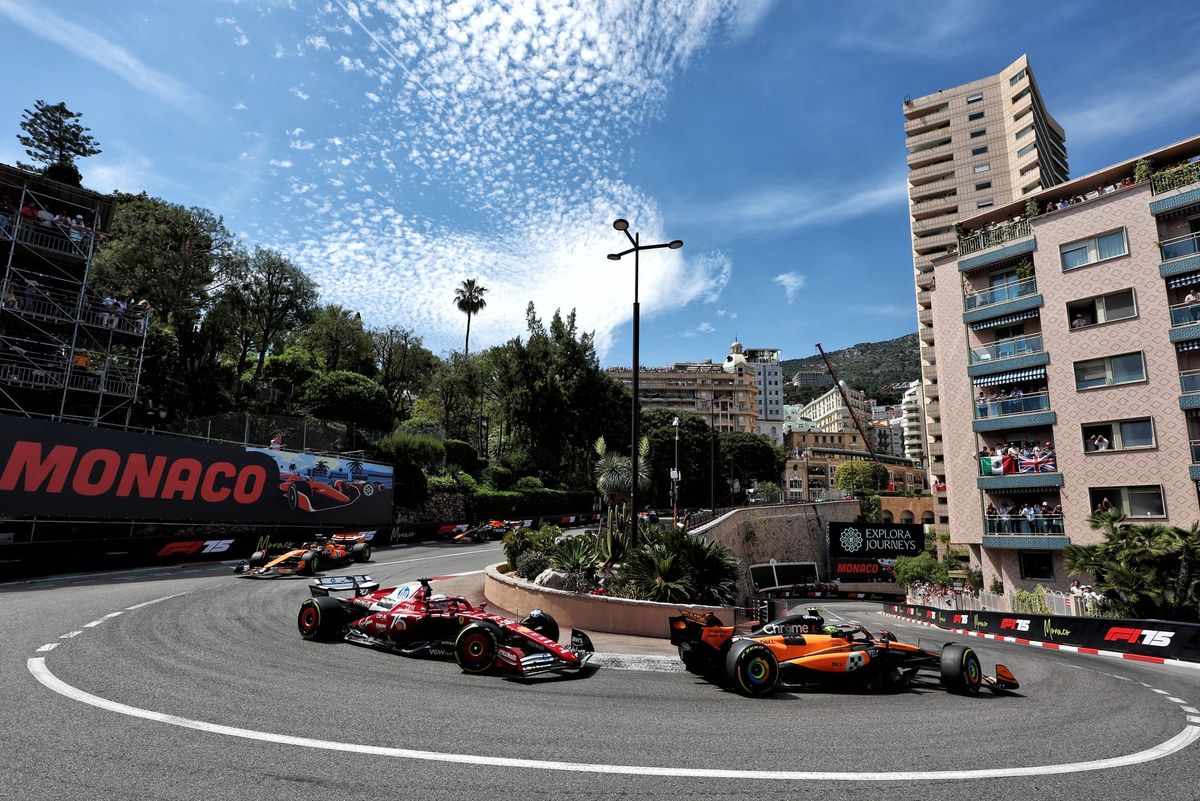
Monaco has always stripped away illusions faster than any other track. Its low-speed labyrinth offers scant cooling, turning the power unit into a ticking psychological burden for drivers who must manage energy while trapped in traffic. Honda chief engineer Shintaro Orihara flagged this exact pressure ahead of the weekend, noting the need for precise preparation through driver-in-loop sessions at the team's technology campus.
- Clean air versus heavy traffic demands split-second recalibrations that biometric monitors will track in real time.
- Heart-rate spikes and grip-force telemetry often betray the moment doubt creeps in, long before the lap time suffers.
- Energy management here becomes less about physics and more about emotional regulation under duress.
Orihara's words carry weight beyond the garage. "Monaco’s slow-speed sections make this challenging. We need to find a good cooling specification, working closely with Aston Martin to achieve this for the power unit in clean air and heavy traffic, which is common here." Those sessions are not mere engineering drills. They function as therapy rehearsals, training the mind to stay composed when the car refuses to cooperate.
Vibration, Trauma, and the Lauda Parallel
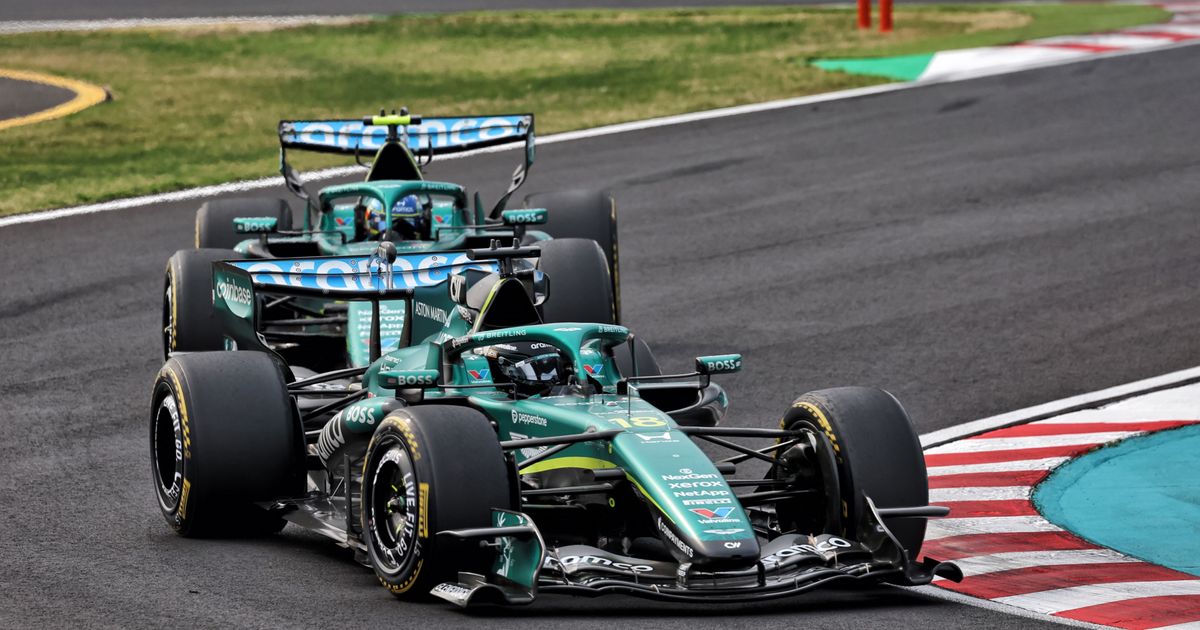
Fernando Alonso and Lance Stroll enter this weekend still haunted by the Honda power unit's persistent vibration issues that have defined Aston Martin's difficult start to 2026. No major upgrades arrive until after the summer break, leaving only incremental tweaks. This forced patience mirrors the calculated restraint Lewis Hamilton has long employed, much like Niki Lauda after his fiery crash, turning personal ordeal into a public narrative that shields raw talent from scrutiny.
The mental toll compounds when cooling falters. In such conditions, driver psychology overrides any aerodynamic fix an engineer might imagine. Decision-making under uncertainty reveals core traits no wind-tunnel data can mask. One can picture Stroll's inner monologue tightening as the temperature climbs: Stay smooth, stay within the window, do not let the vibration pull you toward hesitation. Such moments foreshadow the regulatory future I foresee within five years, when F1 will mandate mental health disclosures after major incidents, exposing these private struggles to relentless media glare.
We can find lap time from drivability here.
Orihara's closing remark hints at the true prize. Drivability restores confidence, that invisible edge separating champions from the rest. Yet for a team still maturing its power unit, any failure to adapt risks deepening early-season scars rather than healing them.
The Weekend as Psychological Litmus Test
Three hours of practice offer the only buffer. Teams must squeeze every insight from energy maps and handling feedback while drivers confront the street circuit's unique demands. If cooling stays manageable and drivability improves, Alonso and Stroll may exit with renewed self-belief. Should the heat overwhelm, however, Monaco will lay bare the project's deeper vulnerabilities, reminding everyone that the heaviest load in Formula 1 remains the one carried inside the helmet.
Join the inner circle
Get the deep dives and technical analysis from the world of F1 delivered to your inbox twice a week.
Zero spam. Only high-octane analysis. Unsubscribe anytime.