Miami's Shadow: Death Threats Lay Bare the Mental Crucible Driving Formula 1's Young Talents
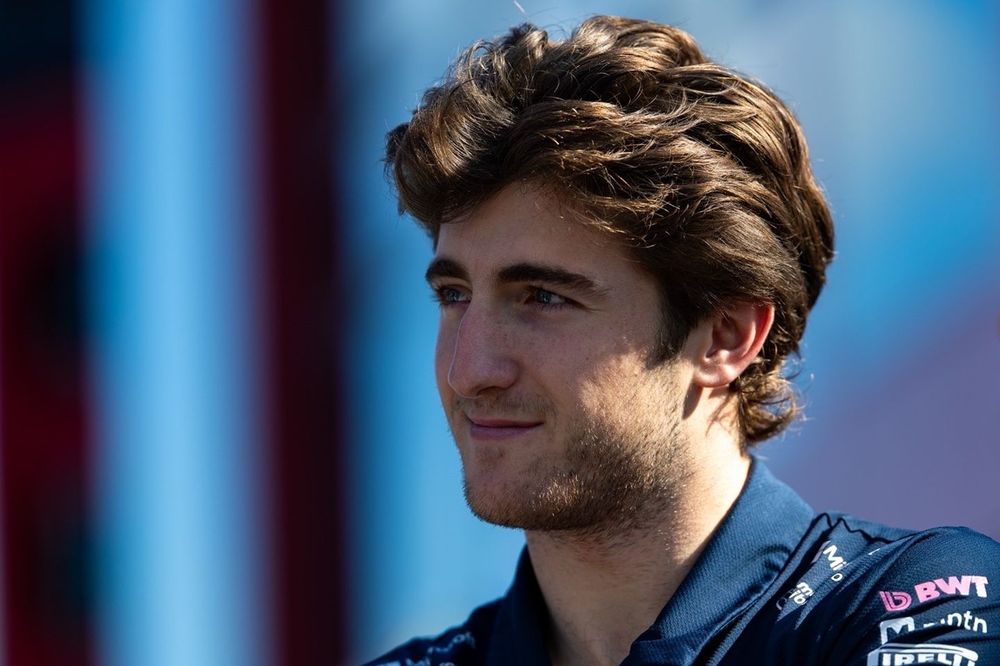
The inbox pinged six or seven times in the days before Miami, each message a venomous thread pulling Jack Doohan deeper into isolation. What began as seat speculation around Franco Colapinto's arrival at Alpine spiraled into something far more visceral, a psychological siege that forced armed escorts and police presence through the Florida paddock. This was not merely fan excess. It was the raw exposure of how external pressure warps the inner cockpit, where biometric spikes in heart rate and cortisol levels eclipse any aerodynamic tweak an engineer could devise.
The Miami Crucible and Its Unseen Telemetry
Doohan's ordeal unfolded against the backdrop of early 2025 rumors that threatened to end his race seat before it had truly begun. The threats carried explicit warnings of violence tied directly to his continued presence in the car, transforming a routine Grand Prix weekend into a high-stakes psychological test. Security details shadowed him, his girlfriend, and his trainer, while police coordinated movements away from the track.
- Heart-rate telemetry from similar high-pressure sessions often shows sustained elevations above 160 beats per minute even during formation laps.
- Decision latency under such duress lengthens by critical fractions of a second, turning wet-track instincts into calculated gambles.
- Inner monologues shift from race strategy to survival calculus, with drivers replaying threat language on loop between sessions.
In wet conditions especially, these mental fractures matter more than downforce maps. Doohan's focus fractured precisely when clarity was demanded most, revealing how personality traits surface when uncertainty peaks. The car cannot compensate for a mind scanning crowds for danger instead of apexes.
Echoes of Calculated Resilience
Lewis Hamilton's public composure after personal and professional storms mirrors Niki Lauda's post-Nurburgring reconstruction, both men forging narratives from trauma that ultimately defined their legacies beyond raw speed. Doohan's experience sits in the same lineage yet lacks the polished armor. Where Lauda returned with burned resolve and Hamilton channels scrutiny into media mastery, the young Australian faced threats without precedent in his brief career arc. The result was a swift demotion to reserve status after Miami, a move that preserved the team's optics while exposing the sport's inadequate duty of care.
"The threats arrived with precision timing, designed to break the spirit before the lights went out."
This pattern suggests a broader truth. Red Bull's quiet psychological coaching has long smoothed Max Verstappen's edges into championship consistency, manufacturing calm where outbursts once flared. Doohan's case shows the opposite extreme: unmanaged external chaos invading the psyche. Within five years, mandatory mental health disclosures after major incidents will likely reshape the paddock, forcing transparency that invites both support and scandal. Media scrutiny will intensify, turning biometric logs and therapy notes into headline fodder.
Rebuilding at Haas and the Road Ahead
Doohan's move to Haas reserve under Ayao Komatsu offers breathing room, a chance to recalibrate without the Alpine glare. Early 2026 enthusiasm from both sides signals intent to rebuild momentum toward another race opportunity. Yet the Drive to Survive footage will reopen wounds, prompting conversations on fan accountability and team responsibility that extend far beyond one driver's inbox.
The human element remains F1's most volatile variable. Threats may fade from public view, but their residue lingers in every future decision, every lap where doubt competes with throttle input. Doohan's story is a warning shot across the sport's bow.
Conclusion
F1's evolution demands recognition that mental armor cannot be engineered in a wind tunnel. Doohan's Miami chapter accelerates the push toward mandated disclosures and genuine welfare protocols, lest more talents fracture under pressures no lap time can measure. The next generation will race with their psychological data exposed, for better or worse.
Join the inner circle
Get the deep dives and technical analysis from the world of F1 delivered to your inbox twice a week.
Zero spam. Only high-octane analysis. Unsubscribe anytime.