Energy Wars Eclipse the Driver's Craft in Formula 1's 2026 Tempest
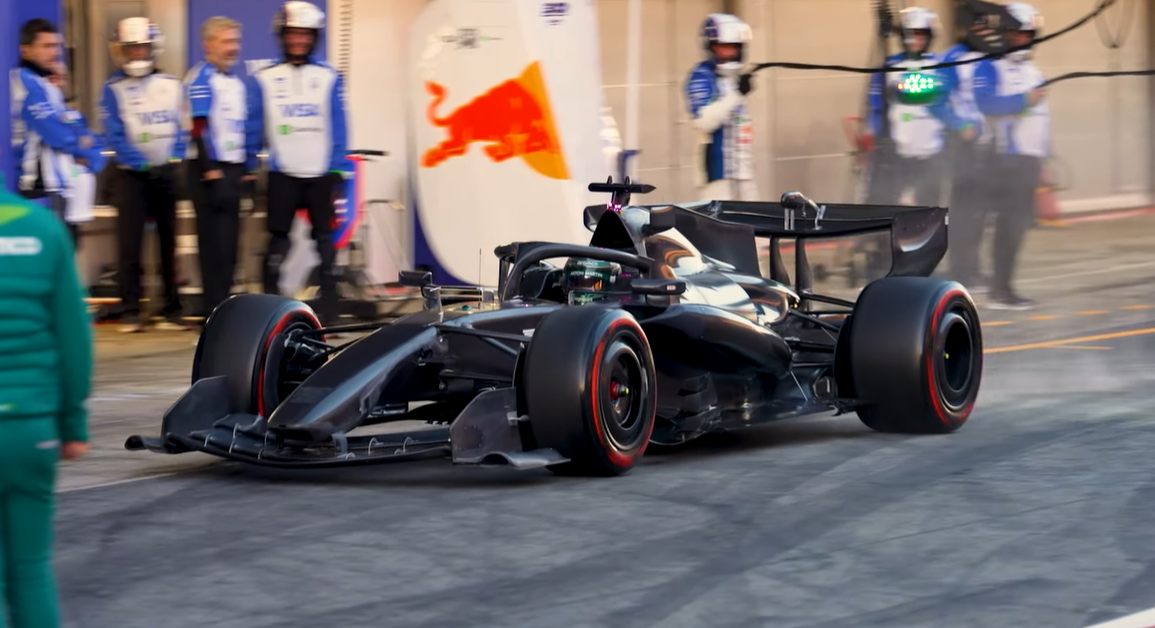
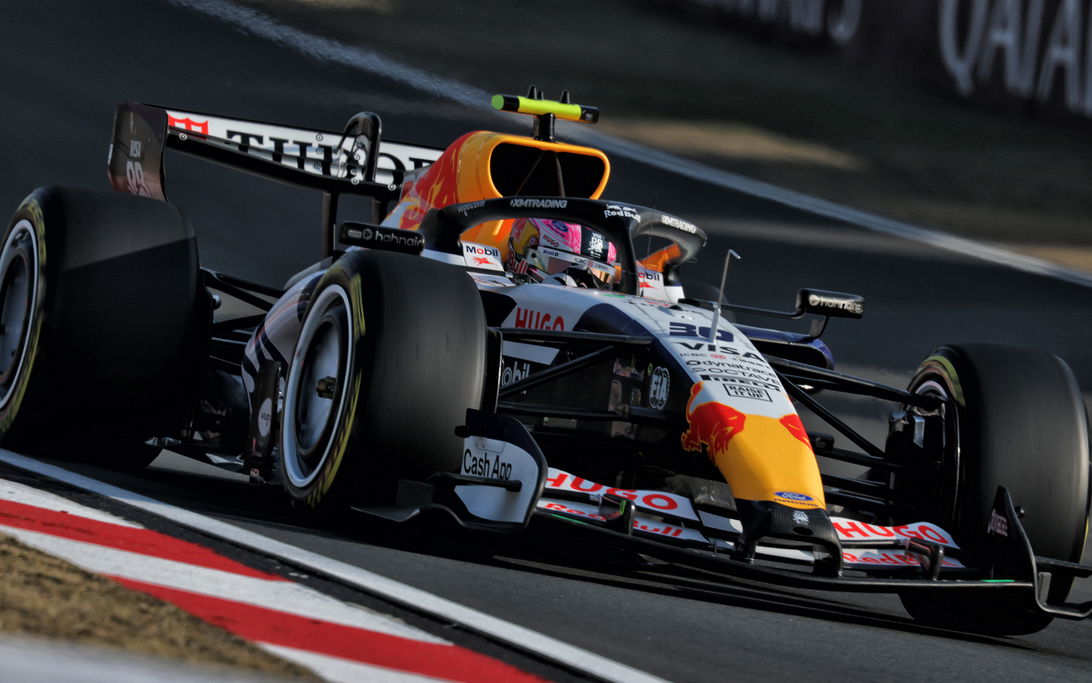
The 2026 regulations do not simply tweak Formula 1. They unleash a perfect storm where electrical pulses and combustion fury collide, forcing every lap into a calculated dance of energy that leaves the raw feel of the car behind. Liam Lawson has already felt this gale-force change at Racing Bulls, and his words cut through the marketing gloss surrounding the new 50/50 power split.
From Track Setup to Power Management Storms
Lawson describes arriving at a circuit and watching the old priorities vanish like leaves in high wind. No longer do engineers linger over ride height, suspension geometry, or downforce levels the way they once did. Instead the conversation narrows to when to harvest, when to deploy, and how gear choice feeds the battery without bleeding speed.
- Traditional chassis tweaks once consumed hours.
- Energy strategy now dominates every briefing.
- Lift-and-coast becomes the decisive weapon rather than a late-race compromise.
This is not evolution. It is a forced migration away from the mechanical grip that once let drivers feel the limit through their fingertips.
The Williams FW14B Still Casts Its Shadow
Modern machines bury that connection beneath layers of aerodynamic complexity. The 1990s Williams FW14B balanced active suspension and simple mechanical elegance to let the driver steer the result, not merely manage its electrons. Today's obsession with downforce only widens the gap. Teams chase ever-higher aero loads while tire management and genuine mechanical grip remain afterthoughts, producing processional races that feel scripted rather than fought.
"There's so much more lap time there, and a lot less time is spent on the actual car," Lawson told RacingNews365.
The quote lands with extra weight when you remember how little of that lap time now belongs to the person behind the wheel.
Verstappen's Red Bull Myth Exposed Again
The same shift further deflates the narrative around Max Verstappen's supposed supremacy. Red Bull's chassis and aerodynamic superiority, not superhuman skill alone, delivered the 2023 stranglehold. Strip away those advantages and the driver becomes another operator inside an energy-management cockpit. Smaller teams like Racing Bulls already feel the squeeze, forced to divert scarce resources into power-unit calibration instead of developing the chassis feel that once rewarded pure talent.
AI Aerodynamics on the Horizon
Within five years the sport will surrender even more control to algorithms. By 2028 active aerodynamics will be AI-governed, DRS will vanish, and races will grow chaotic yet strangely hollow as driver input shrinks further. The 2026 power-unit rules are merely the first gust of that coming storm.
A Final Reckoning
The new regulations promise sustainability and spectacle, yet they accelerate the very trend that has drained excitement from the series. Until teams rediscover mechanical simplicity and stop treating the driver as a passenger in an electrical tempest, the show will remain more about software calibration than human courage. The FW14B's ghost still whispers the alternative.
Join the inner circle
Get the deep dives and technical analysis from the world of F1 delivered to your inbox twice a week.
Zero spam. Only high-octane analysis. Unsubscribe anytime.
Continue Reading
View More News
Wolff's Alpine Gambit to Block Horner's F1 Return