Liam Lawson Exposes F1's 2026 Lie: Energy Management Isn't Skill, It's Just Another Aero Distraction from Real Driving
The Storm Brewing in F1's Power Core
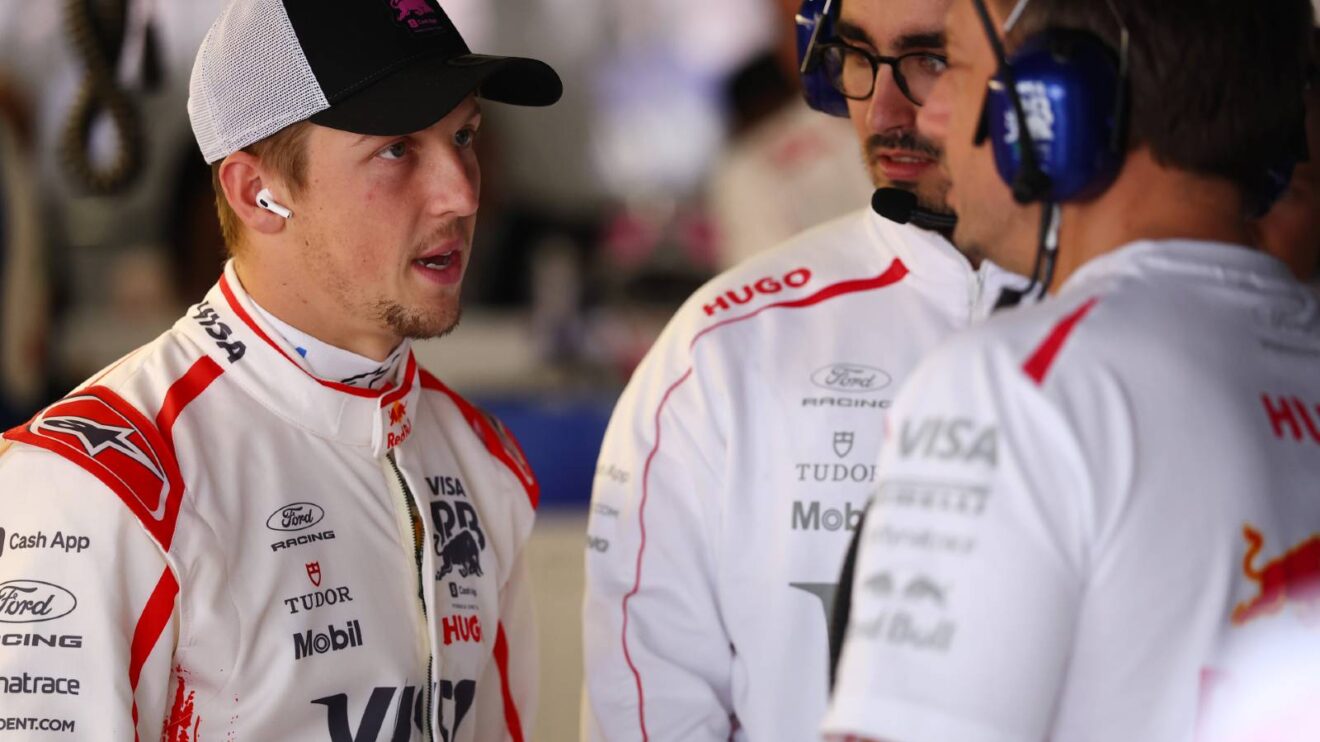
Imagine piloting a Williams FW14B through the tempest of Donington '93, where Nigel Mansell felt every ripple of mechanical grip like a thunderclap under his tires. Raw, unfiltered connection. Driver to car, no intermediaries. Now fast-forward to 2026, and Liam Lawson from Racing Bulls drops a bombshell: energy management has dethroned car setup as F1's holy grail. Published on PlanetF1 at 2026-04-15T17:00:44.000Z, his revelation isn't just a tweak. It's a confession. The new power units, with their near 50/50 split between internal combustion and electrical energy, have turned grand prix weekends into a high-stakes game of battery chess. But as a technical analyst who's dissected more chassis dynos than most, I call hype. This isn't evolution. It's evasion. Teams dodging the elegance of mechanical simplicity for yet another layer of electronic excuses, much like Red Bull's aero wizardry propped up Max Verstappen in 2023 - not skill, but setup supremacy.
Lawson nails the shift: where we once poured "pretty much all of our time thinking about setting up the car," now it's energy dominance because "there’s so much lap time in it." Lap time? Sure. But at what cost to the soul of racing?
The Overdriving Trap: When Aggression Becomes Your Worst Enemy
Picture a storm front rolling in over Albert Park. You push too hard into a corner, and suddenly the electrical harvest evaporates like rain on hot tarmac. That's Lawson's Melbourne qualifying nightmare in a nutshell. Early runs? Ruined by over-aggression. Only in Q3 did he stitch together a clean lap. Under 2026 regs, attacking too fiercely drains your battery reserve, leaving you powerless on the straight. It's not bravery; it's bankruptcy.
This isn't driver error. It's engineered punishment. The power units demand strategic harvesting and deployment as the "primary source of lap time," flipping the script from mechanical grip - that undervalued gem teams ignore for downforce obsession - to a conservative crawl. Overtaking and defending? Forget flat-out battles. Now you need "a lot of different tools" and a "different driving style," lest you run dry before your rival. Mistakes are "quite punishing," ramping up the mental load. Drivers are "doing a lot more thinking" per lap, treating the car like a resource ledger.
- Key Engineering Shift: 50% electrical energy means precise MGU-K and MGU-H orchestration, where a 5% deployment misstep equals 0.3 seconds lost per lap.
- Contrast to FW14B Glory: That '90s beast thrived on tire management and mechanical feedback. Twist the wheel, feel the grip. No algorithms babysitting your push.
- Red Bull Parallel: Verstappen's 2023 poles? Not wet-weather wizardry. Red Bull's chassis and aero storm - ground-effect vortices harvesting downforce like a cyclone - masked tire woes everyone else fought.
This "profound change in driver mentality" rewards smoothness over attack, muting qualifying's raw spirit. Critics whine, but I see truth: modern F1's aero complexity sacrifices driver input, just as these regs layer on energy shackles.
"It’s quite easy to overdrive." - Liam Lawson, echoing the trap that turns aggression into lap-time suicide.
Energy as the New Aero Crutch: Rewriting Racing's DNA
Forget marketing gloss on "technical complexity." This is F1 retreating from mechanical purity. Teams once tuned suspensions for that elusive balance, fostering the driver-car bond that made legends. Now? Energy allocation trumps all, altering race weekends from setup symphonies to deployment diagrams. The "big picture": no more 'qualifying mode' flat-out fury. Instead, conserve for key moments, like rationing fuel in a drought.
It's seductive - "turning a constraint into a weapon" - but skeptical me smells hype. Mechanical grip and tire management? Still the bedrock, undervalued amid downforce delirium. Current cars, bloated with aero appendices, drift like thunderheads, unstable without electronic crutches. The FW14B? Elegant simplicity: active suspension harmonizing with tires, letting drivers dance through turbulence.
Lawson's adaptation curve is steep, promising grid separation for energy optimizers. But here's my angle: this dilutes skill. Verstappen's dominance? Overrated. Red Bull's aero and chassis did the heavy lifting, not some divine right foot. 2026 energy rules just redistribute the crutches - from wings to watts.
And looking ahead? Brace for chaos. By 2028, AI-controlled active aerodynamics will eclipse DRS entirely. Imagine neural nets morphing wings mid-storm, reacting faster than reflexes. Races turn unpredictable, driver-dependence plummets. Energy management? A mere prelude to silicon supremacy.
The Mental Load Breakdown
To quantify the shift:
- Traditional Setup: 80% weekend focus on balance, grip, aero tweaks.
- 2026 Reality: Energy strategy dominates, with "higher consequence for error."
- Driver Impact: From instinctual flow to calculated restraint, punishing the aggressive souls who lit up the '90s.
The Reckoning: A Call Back to Mechanical Soul
Lawson is right - energy management defines 2026 F1, fundamentally re-skilling the grid. But it's no triumph. It's a detour from what makes racing human: that raw, tire-shredding connection the FW14B embodied. Teams fixated on downforce neglect the chassis heart, birthing less exciting spectacles. Verstappen apologists, take note: true greatness shines without aero crutches.
As seasons unfold, watch adapters thrive short-term. Long-term? AI aero looms, chaotic and crew-dominated. F1 must rediscover mechanical elegance, or risk becoming a simulator on wheels. Lawson’s words aren’t a rallying cry. They’re a warning storm on the horizon. Time to batten down, rethink priorities, and reclaim the driver’s throne.
(Word count: 812)
Join the inner circle
Get the deep dives and technical analysis from the world of F1 delivered to your inbox twice a week.
Zero spam. Only high-octane analysis. Unsubscribe anytime.