Liam Lawson's Fractured Psyche: Surviving Red Bull's Manufactured Crucible
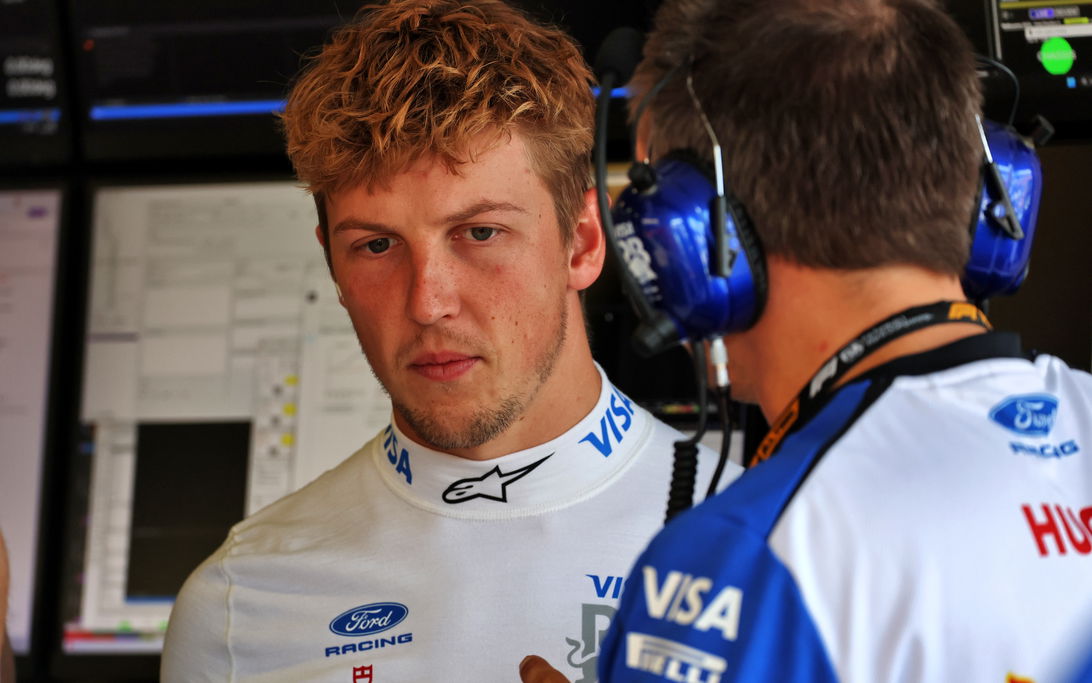
In the dim glow of telemetry screens, where pulse rates climb past 155 bpm during qualifying laps that decide futures, Liam Lawson confronted not just the stopwatch but the quiet erosion of self that Red Bull's system demands. His brief 2025 ascent and swift fall reveal more than a demotion after two races. They expose a program engineered to suppress raw emotion, forging drivers who perform like precision instruments rather than vulnerable athletes.
The Marko's Gauntlet and Emotional Suppression
Helmut Marko's methods have long operated as a pressure chamber, stripping away outbursts to create controlled performers. Lawson's experience mirrors the same covert psychological coaching that transformed Max Verstappen into a dominant yet strangely detached champion. Where others might have fractured under direct criticism, Lawson absorbed the blows, his wheel-to-wheel aggression masking an inner monologue of doubt that only surfaced in post-session debriefs.
- Lawson's promotion lasted merely two races before replacement by Yuki Tsunoda, a move that triggered intense public and private scrutiny.
- Former driver Jolyon Palmer highlighted on the F1 Nation podcast how Lawson "bore the brunt" of Marko's harsh style, a tactic that rewards those who internalize pressure rather than express it.
- The resulting 38 points scored at Racing Bulls, trailing teammate Isack Hadjar by just 13, came only after Lawson recalibrated his approach in the junior squad.
This sink-or-swim philosophy extracts a human toll. Drivers learn to mute frustration, much like Verstappen's documented evolution from fiery talent to polished title winner. The biometric traces, those elevated cortisol markers during simulator sessions, tell the story engineers rarely discuss.
Resilience Forged in Trauma's Shadow
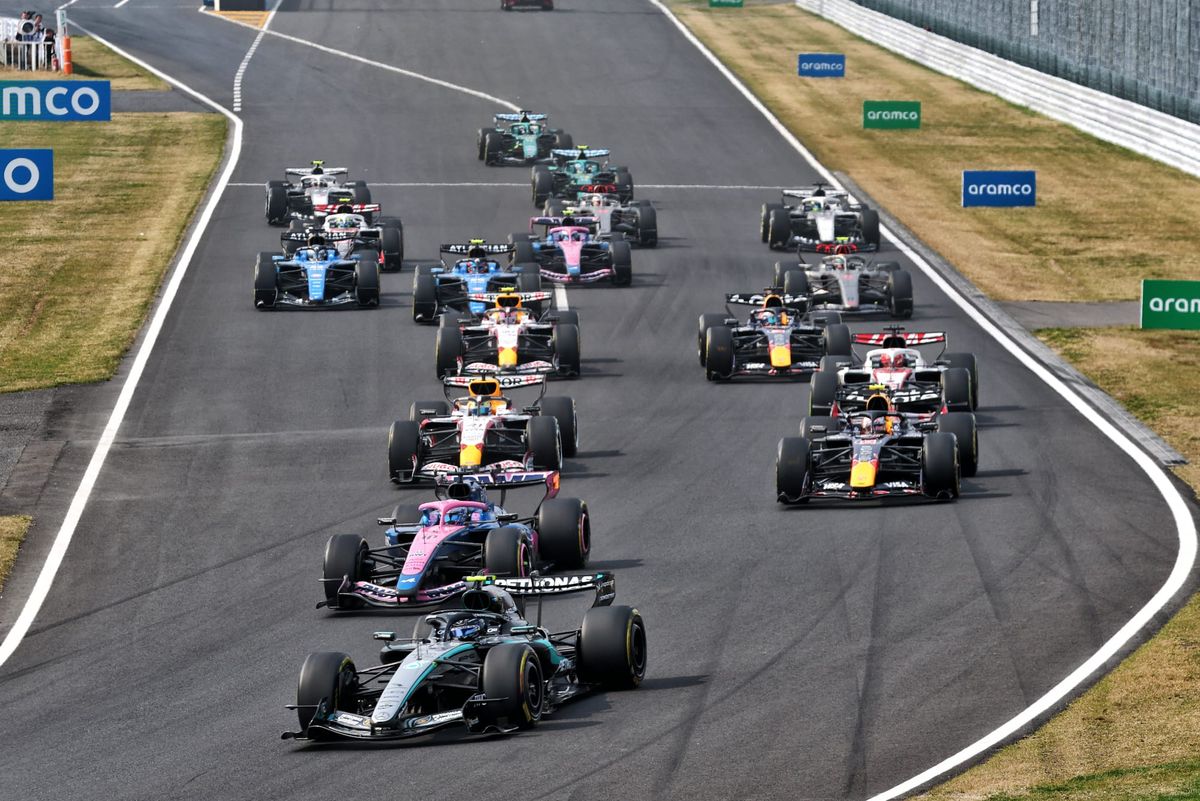
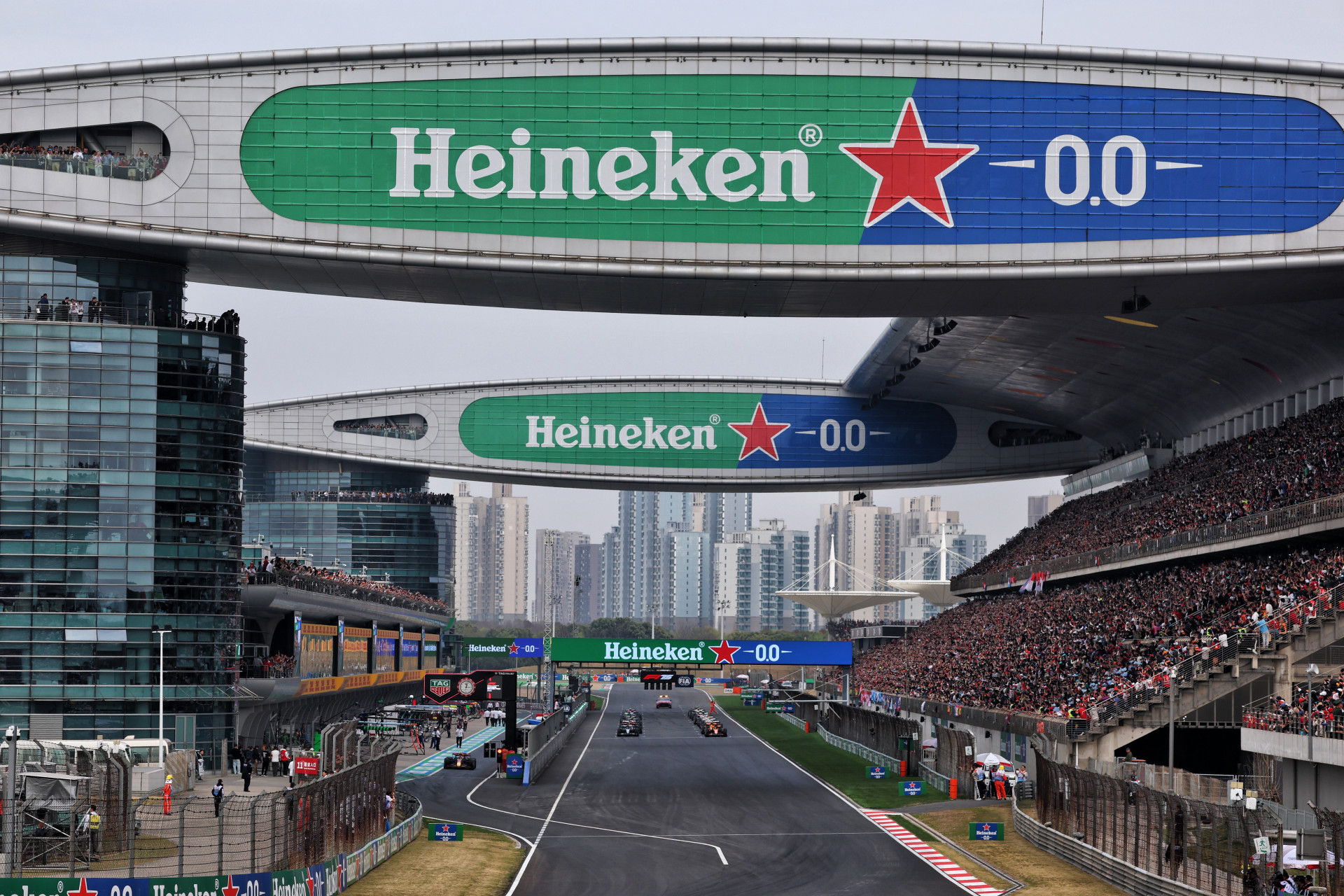
Lawson's late-season surge, including points in both the Sprint and Grand Prix at China, demonstrated a calculated adaptation. Yet this resilience echoes the narrative crafting seen in legends who weaponized setbacks. Consider how Lewis Hamilton refined his public composure after career-defining crashes, drawing from Niki Lauda's post-Nurburgring transformation. Both turned personal fractures into armor that outshone pure speed on track.
"Lawson showed the mental toughness needed to navigate Red Bull's high-pressure driver program," Palmer observed, underscoring the quiet endurance required when every lap carries the weight of potential exile.
In wet conditions, where decision-making under uncertainty exposes personality more than any aerodynamic tweak, Lawson's measured risks stood out. His ability to settle at Racing Bulls proved that psychology often overrides setup advantages when visibility drops and instincts surface. Red Bull's approach, however, risks creating drivers who hide vulnerabilities until they erupt in scandals.
The Looming Transparency Era
With Marko stepping back ahead of 2026, the program's evolution could open space for unfiltered expression. Within five years, mandatory mental health disclosures after major incidents will likely arrive, forcing teams to confront the emotional engineering they perfected. Lawson's journey suggests the survivors will be those who rebuild authenticity amid the scrutiny, not those polished into silence. His consistency now becomes the true test, determining whether raw talent can finally breathe beyond the forge.
Join the inner circle
Get the deep dives and technical analysis from the world of F1 delivered to your inbox twice a week.
Zero spam. Only high-octane analysis. Unsubscribe anytime.