When Hydraulics Fail, the Illusion of Control Shatters in Formula One
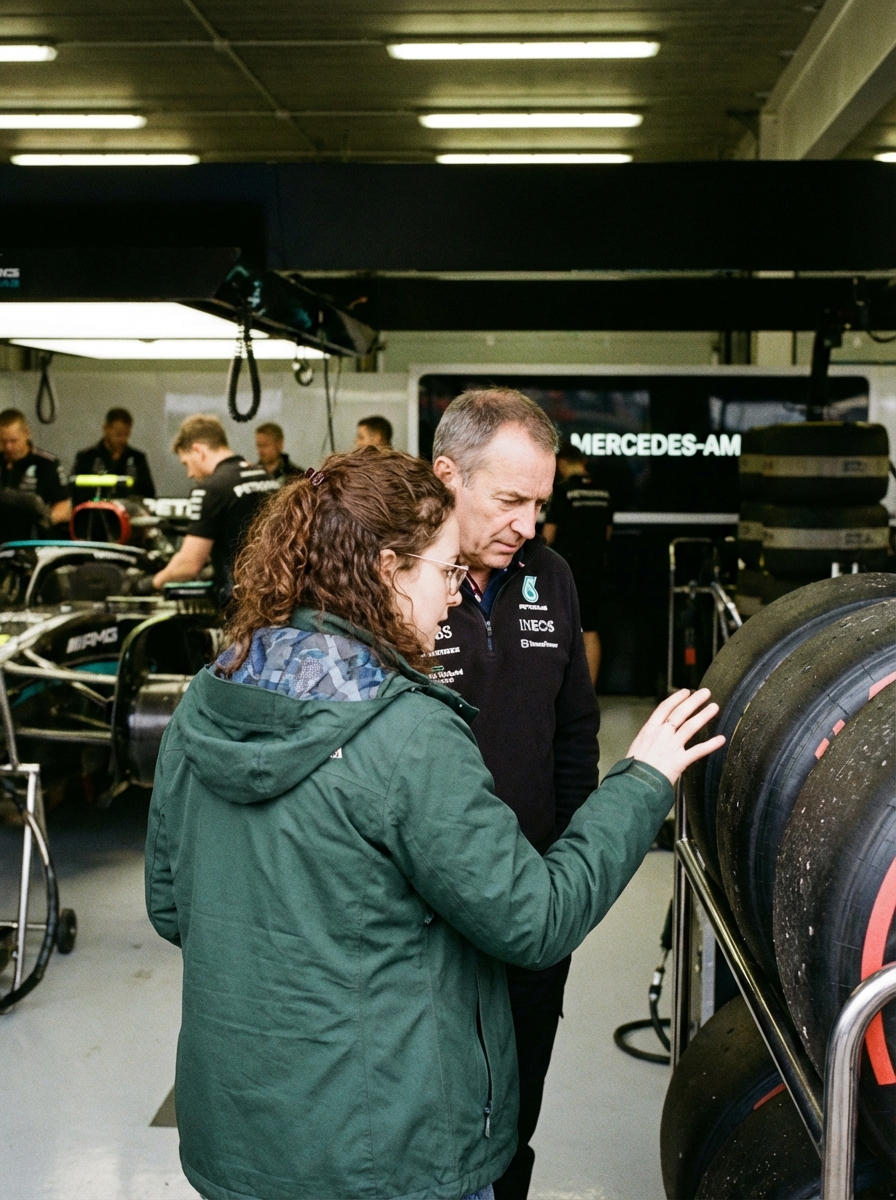
The Circuit Gilles Villeneuve witnessed another reminder that today's machines are storms of fragile complexity rather than expressions of pure driving craft. Liam Lawson managed just three laps before a hydraulics failure silenced his Racing Bulls car in Friday's sole practice session, stranding him without sprint qualifying and leaving the team to absorb a €30,000 fine for a clutch disengagement system breach.
The Storm That Stopped Too Soon
Lawson's weekend began with promise and ended in mechanical silence. After completing fewer than ten minutes on track, the car ground to a halt, denying him the data every driver craves on a sprint-format weekend. The team could not repair the issue in time, forcing Lawson to watch from the pit wall while others chased setup improvements.
- Three laps completed before the failure.
- Sprint qualifying missed entirely.
- €30,000 penalty issued, with €20,000 suspended for twelve months.
- Starting position at the rear of the sprint grid confirmed.
This is not merely bad luck. It exposes how modern designs stack layers of hydraulic and electronic dependency that older cars simply never required. The 1990s Williams FW14B, with its active suspension and simpler mechanical pathways, let the driver feel every nuance of grip through the tires. Today's machines trade that direct connection for aerodynamic overload, leaving drivers hostage to systems that fail without warning.
Grip That Cannot Be Downloaded
Lawson himself sensed the lost opportunity. "It's frustrating," he said. "I've done two laps, three laps all day. It's a shame because the car looks really good, the pace is looking really good, and I felt good in the first couple of laps."
His words capture the core problem. Teams chase downforce as if it alone defines performance, yet mechanical grip and tire management remain the undervalued foundation. When hydraulics collapse, the aero advantage vanishes instantly, leaving the driver with nothing to work with. The obsession with complex wings and flaps reduces the raw dialogue between car and road to a series of sensors and actuators. Lawson will now use the sprint merely to gather scraps of information, hoping the underlying pace he felt survives the chaos of starting last.
The car's promise exists, yet the systems meant to protect that promise are the very things that erased his preparation.
By 2028 the sport will likely hand even more control to AI-managed active aerodynamics, removing DRS and further distancing the driver from moment-to-moment decisions. Races may grow more chaotic, yet they will grow less human. The lesson from Lawson's truncated Friday is already clear: the more layers we add, the more violently the storm can break when one layer fails.
The Path Forward
Lawson still believes a points finish on Sunday remains possible if the underlying speed proves genuine. The sprint offers a narrow window to learn the track without the preparation he deserved. For midfield teams, every lost minute compounds the pressure on drivers fighting for their futures. The hydraulics failure did not just end one session; it underscored why mechanical simplicity once delivered more honest racing than today's aero arms race ever will.
Join the inner circle
Get the deep dives and technical analysis from the world of F1 delivered to your inbox twice a week.
Zero spam. Only high-octane analysis. Unsubscribe anytime.