The Currency of Loyalty: Mansell's Ferrari Gifts and the Psychology of Belonging in F1
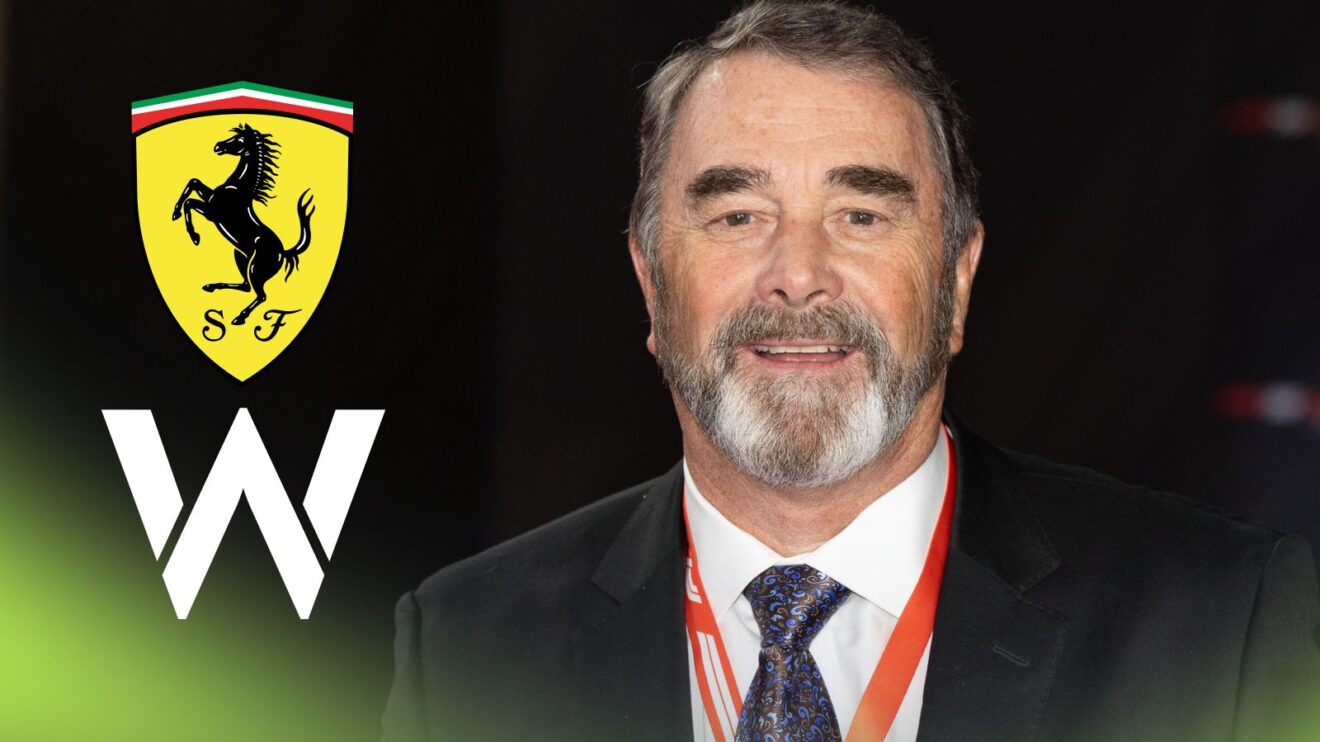
The ledger of a Formula 1 driver's soul is not balanced with points alone. It is a complex accounting of carbon fiber and whispered promises, of cold engineering data and the warm, intoxicating glow of being wanted. Nigel Mansell, three decades removed from his championship zenith, has just opened his personal ledger for the world to see. And the entry that shines the brightest, the one that outweighs the ultimate prize, is not from the team that gave him a title. It is from the team that gave him a Testarossa, a Ducati, and the keys to a $34 million jet. In choosing the Scuderia over Williams, Mansell isn't just reminiscing about lavish gifts. He is exposing the fundamental, often ignored, human currency of this sport: the psychological contract between driver and team, a force as powerful as any wind tunnel finding.
The Ferrari Embrace: A Psychological Blueprint Wrapped in Red
Mansell’s 1989-1990 stint at Ferrari was, by the cold metrics of wins and championships, less successful than his Williams tenure. Yet, in the theater of the mind, it was a masterpiece. His recollections are not of downforce or suspension geometry, but of sensory and emotional indulgences so potent they have fossilized into core memory.
"When asked to choose between the two teams, Mansell immediately selected Ferrari, calling it 'something out there special.'"
This "special" treatment is not mere generosity. It is a calculated, deeply Italian form of psychological engineering. Where a team like Williams might see a driver as the final, crucial component in a mechanistic puzzle, Ferrari under Enzo and his successors understood the driver as the beating, bleeding heart of a living myth. The gifts—the motorcycle mentioned in passing, the sports car, the unprecedented trust to pilot the corporate jet—were not bribes. They were rituals of inclusion. They whispered: You are not an employee. You are family. You are Ferrari.
- The 1989-1990 Ferrari Period: A time of fondness, built on experiences far beyond the racetrack.
- The Lavish Gifts: A Ducati motorcycle, a Ferrari Testarossa, granted almost as tokens of affection.
- The Ultimate Trust: Being allowed to fly the team's $34 million tri-engine jet to a Lisbon test. This wasn't logistics; it was an anointing.
This approach crafts a loyalty that defies pure performance logic. It creates a debt of the heart, one that Mansell is still repaying with his public allegiance today. In my view, this is the antithesis of the modern, sterilized driver management we see elsewhere. Compare this to the covert, systematic emotional suppression used to mold Max Verstappen into Red Bull's relentless, unflappable machine. Ferrari’s method was about inflaming passion, not containing it; about making the driver feel larger than life, so he might drive that way. The risk is chaos, the reward is a devotion that lasts a lifetime.
Williams' Transactional Calculus and the Trauma of the Transaction
The contrast Mansell paints with Williams is brutally stark, and in its starkness, profoundly revealing of the British team's core philosophy. He jokes that the only "gift" he received from Williams was being fired after winning the 1992 world championship. This is more than a punchline; it is a clinical dissection of a different psychological model.
Williams, the paragon of engineering excellence, operated on a transactional calculus. The driver delivers performance; the team provides the championship-capable car. The contract is the bond. When the numbers—salary demands, future prospects—no longer aligned, the bond was severed, title or not. For the driver, especially one at the peak of his powers, this isn't just business. It is a profound psychological event. I gave you everything, my title, my triumph, and you deemed me surplus. It is a rejection that can calcify into a permanent narrative of betrayal.
- The 1992 Championship Win: The pinnacle of a driver's career, achieved with methodical, engineering-driven excellence.
- The Immediate Aftermath: A contract dispute leading to departure. The triumph instantly overshadowed by institutional coldness.
- The Lasting Impression: The transactional relationship made explicit, leaving a psychological mark deeper than any trophy could heal.
This is where driver psychology becomes the true differentiator. We can engineer a car to be flawless in the dry, but in the wet, under the blinding spray and crushing uncertainty, it is the driver's un-engineerable core that takes the wheel. Does a driver with Mansell's Ferrari-nurtured, passion-first mentality take a different risk calculus than one forged in a purely transactional crucible? Absolutely. The former drives for the myth, the family, the red; the latter for the next contract, the next logical step. Neither is inherently right, but they create entirely different beasts behind the wheel.
Conclusion: The Unseen Telemetry of the Heart
Nigel Mansell’s anecdote is a timeless data point in the study of F1's human element. It proves that the psychological contract can outweigh the professional one. Ferrari’s historical genius was in understanding that a driver who feels like a king will sometimes drive like a god, even if the chariot is flawed. Williams' strength was in believing the chariot was paramount, and any king could steer it.
As we move into an era where I believe mandatory mental health disclosures will soon force teams and drivers to publicly account for their psychological scars, these historical dynamics become crucial. How will a team like Ferrari, built on intense emotional bonds, navigate the transparency of a driver's trauma? How will a more transactional outfit manage the scrutiny?
Mansell’s choice reminds us that for all the talk of aerodynamics and engine modes, Formula 1 is, and always has been, a drama of human attachment. The gifts he received were not just objects; they were emotional downforce, binding him to a legend long after the engine notes faded. In the end, the most powerful thing a team can give a driver isn't a faster car. It's a story he will want to tell for the rest of his life. And in that currency, Ferrari remains the richest team on the grid.