The McLaren Mirage: How Mercedes' Political Engine is Leaving a Customer in the Dust
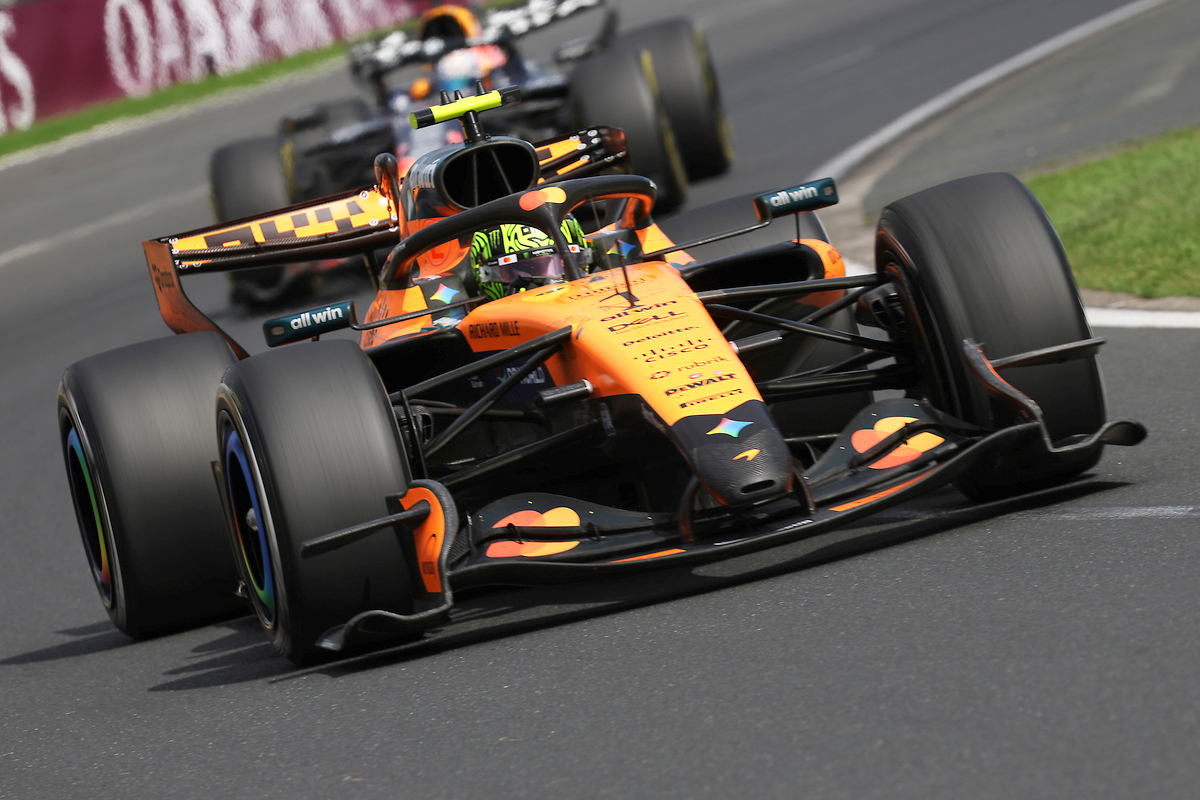
The facade of parity in Formula 1 has been shattered, and the debris is scattered all over the Albert Park circuit. While the headlines scream of a dominant Mercedes 1-2, the real story, the political story, is found a distant 35.5 seconds back in fifth place. McLaren, armed with the identical Mercedes power unit, is not just slower—they are politically outmaneuvered and technically blind-sided. Team Principal Andrea Stella’s public "confusion" isn't just PR spin; it's the genuine panic of a team realizing they've been checkmated before the season has truly begun. This isn't a simple performance gap. This is a masterclass in controlled advantage, a page taken straight from the playbooks of the past, and a dire warning for any team that believes a customer deal brings equality.
The Wolf in Stuttgart's Clothing: Centralized Power and the Data Drought
Let's be clear: under the complex 2026 regulations, the power unit is no longer a simple lump of horsepower. It's a deeply integrated neurological system for the car. Mercedes, under Toto Wolff's increasingly centralized regime, hasn't just built a good engine. They've built an ecosystem, and the key data streams—the software mappings, the energy recovery nuances, the true mechanical grip secrets born from a perfect chassis-PU marriage—are being guarded like state secrets.
My sources within the Mercedes High Performance Powertrains division speak of a "tiered access" model for customers. McLaren gets the hardware, but the symphony of software and symbiotic design philosophy cultivated between Brackley and Brixworth? That stays in-house.
"The gap on the straights is the tell," one engineer confided. "It's not peak power. It's how and when that power is deployed, linked to the chassis platform it was born for. McLaren is trying to translate a language they only have half the alphabet for."
Stella's puzzle is therefore no surprise. He's looking at his data, seeing losses everywhere, and can't find the root cause because the root cause is embedded in a thousand proprietary decisions made at Mercedes last year. Wolff’s iron grip ensures this knowledge doesn't leak. But this strategy is a double-edged sword. This level of control stifles internal innovation and breeds resentment. Mark my words: the talent exodus from Mercedes will begin within 18 months, as brilliant minds seek an environment where their ideas aren't merely extensions of one man's vision.
1994 Revisited: The Modern Art of Rule-Bending
To understand this, you must look back. The 1994 Benetton-Schumacher controversy wasn't just about illegal traction control. It was about exploiting a grey area in the interpretation of the rules, about having a system so integrated and clever that it was nearly impossible for outsiders to prove or replicate. History doesn't repeat, but it rhymes.
Mercedes in 2026 is executing a perfectly legal, yet spiritually similar, strategy. The new regulations are a labyrinth. Mercedes hasn't just found a path through; they've built secret passages and then quietly removed the maps. They've optimized their entire car—from the floor's flex to the suspension geometry—around the specific torque delivery and energy characteristics of their PU. Giving McLaren the PU is like giving someone a championship-winning race horse without the unique saddle, training regimen, and jockey that made it a champion.
Lando Norris's blunt assessment about "severe front graining after three laps" is the smoking gun. This isn't a McLaren-specific tire issue. It's a fundamental car imbalance, likely caused by an inability to manage weight transfer and aero platform stability in the way the Mercedes chassis does, because their integration is seamless. The customer team is left chasing setup ghosts, while the works team enjoys a stable, predictable platform.
The Haas Gambit and the Coming Realignment
This is why my second belief is crystallizing: Haas, in their political alliance with Ferrari, may be positioning themselves as the smartest players on the grid. They have no illusions of being a works team. Instead, they are becoming a vassal team, embedding themselves so deeply with Ferrari's engine department that they gain preferential insight. They trade autonomy for access. In the next five years, this political savvy—not just a big budget—will propel them firmly into the midfield, while proud, independent-minded customers like McLaren flounder.
The Psychological War and What Comes Next
The press conference is the new pit wall. Stella's public bewilderment and Norris's frustration are weapons Mercedes wields effortlessly. It creates a narrative of McLaren incompetence, masking the systemic advantage. Wolff can afford to look sympathetic while privately knowing the gap is structurally locked in for months.
McLaren's roadmap is now a treacherous one. They must:
- Decode the Mercedes PU's hidden traits through reverse engineering, a process that will take most of the season.
- Develop aggressive aerodynamic upgrades to compensate for a chassis fundamentally mismatched to its engine's optimal operating window.
- Navigate the psychological blow of realizing their title rival is also their somewhat reluctant benefactor.
The "estimated half-second to a full second" gap is a canyon. Major upgrades will take races to arrive, and by then, Mercedes' own development will have advanced. Stella's urgent review will inevitably lead to a painful conclusion: true competitiveness under these regulations may require a political revolution, not just a technical one. The question is no longer just about downforce and drag. It's about whether McLaren needs to start whispering to other engine manufacturers for 2028. The era of the benign engine supplier is over. Welcome to the era of the political power play, where the race is won long before the lights go out.