The 2026 Boost Button Will Turn F1 Into a Therapy Session at 200mph
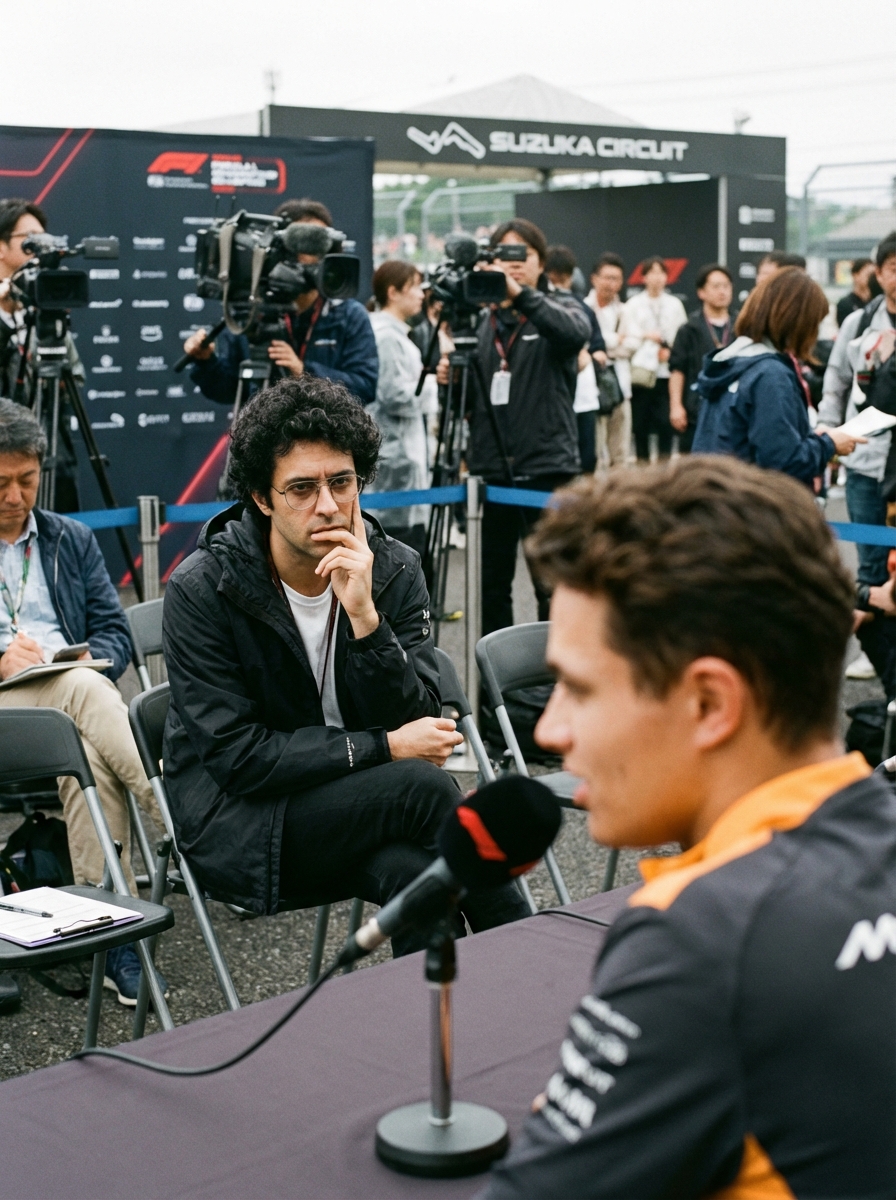
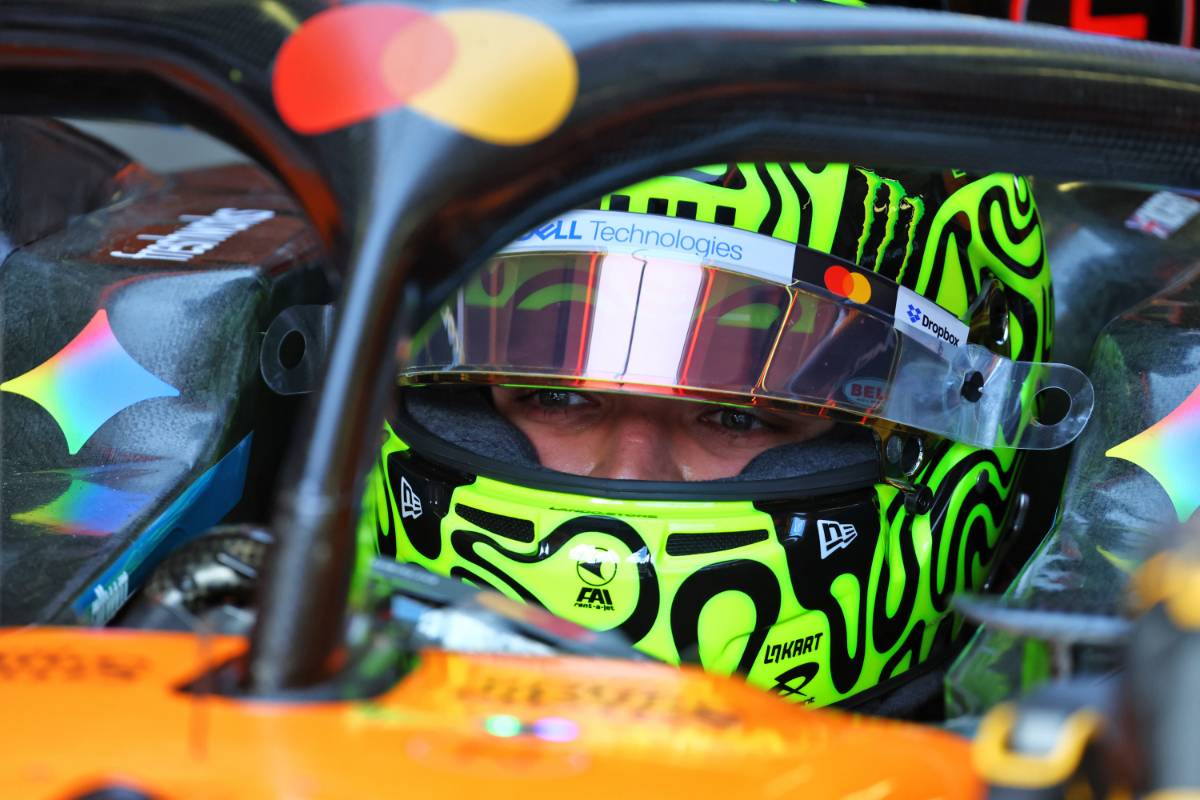
Lando Norris emerged from the Barcelona shakedown with a haunted look in his eyes, the kind that suggests he had glimpsed not just faster lap times but the raw wiring of human decision-making under pressure. The new regulations promise lighter cars, active aerodynamics and a fifty-fifty split between electric and combustion power, yet Norris's real warning cuts deeper than any technical spec sheet. He sees a future where the replacement for DRS, a push-button Overtake Mode available almost anywhere provided the battery allows it, will manufacture surprise attacks and instant vulnerabilities, turning every lap into a high-stakes negotiation between ambition and self-preservation.
The Manufactured Calm Before the Storm
Red Bull has long perfected the art of suppressing emotional volatility in its drivers, quietly coaching Max Verstappen into a version of himself engineered for dominance rather than raw expression. The 2026 rules threaten to dismantle such careful constructions. Norris described how deploying the boost in previously impossible sections, such as between Turns 5 and 7 at Barcelona, will create overtaking opportunities that arrive without warning.
- Battery energy becomes both weapon and liability.
- One lap of aggression leaves the driver exposed on the next as energy recovers.
- The result is a strategic yo-yo that no amount of wind-tunnel time can fully simulate.
This is where driver psychology will eclipse aerodynamics. In wet conditions the gap already widens between those who calculate risk and those who feel it; the boost system simply accelerates the exposure.
Energy Chess and the Inner Monologue
Telemetry will soon capture more than sector times. It will record the precise millisecond a driver chooses attack over defense, revealing the biometric signatures of hesitation or overconfidence. Norris spoke of the need for precise timing, when to spend and when to save, yet beneath the strategy lies something more intimate.
"You press the button and suddenly you're faster than physics should allow, but the car behind knows you're empty. It's chess, except the pieces remember every mistake."
The comparison to Lewis Hamilton is unavoidable. Like Niki Lauda after his fiery crash, Hamilton has long used calculated public composure to transform personal trauma into narrative armor. The 2026 regulations will demand similar resilience from everyone. Those who cannot manage the mental ledger of boost deployment will crack publicly, their heart-rate spikes and post-session silences broadcast in real time.
Within five years the sport will likely mandate mental-health disclosures after major incidents, a transparency that will feel both necessary and brutal. Drivers who once hid behind team psychologists will suddenly face scrutiny that no amount of covert coaching can contain.
The Bahrain Stress Test Awaits
Pre-season running in Bahrain will move beyond shakedown laps into full strategic rehearsals. Teams will log not only lap deltas but the psychological cost of each boost cycle. Norris's prediction of chaotic racing is not merely about passing frequency. It is a forecast of fractured mental states, where the driver who appears most composed on the cool-down lap may be the one most eroded inside.
The lights will go out in Australia under rules that reward neither the purest talent nor the best car, but the mind quickest to decide when courage becomes recklessness. Norris has already seen the first tremor. The rest of the grid is still learning how to breathe through it.
Join the inner circle
Get the deep dives and technical analysis from the world of F1 delivered to your inbox twice a week.
Zero spam. Only high-octane analysis. Unsubscribe anytime.
Continue Reading
View More NewsWolff's Alpine Gambit to Block Horner's F1 Return