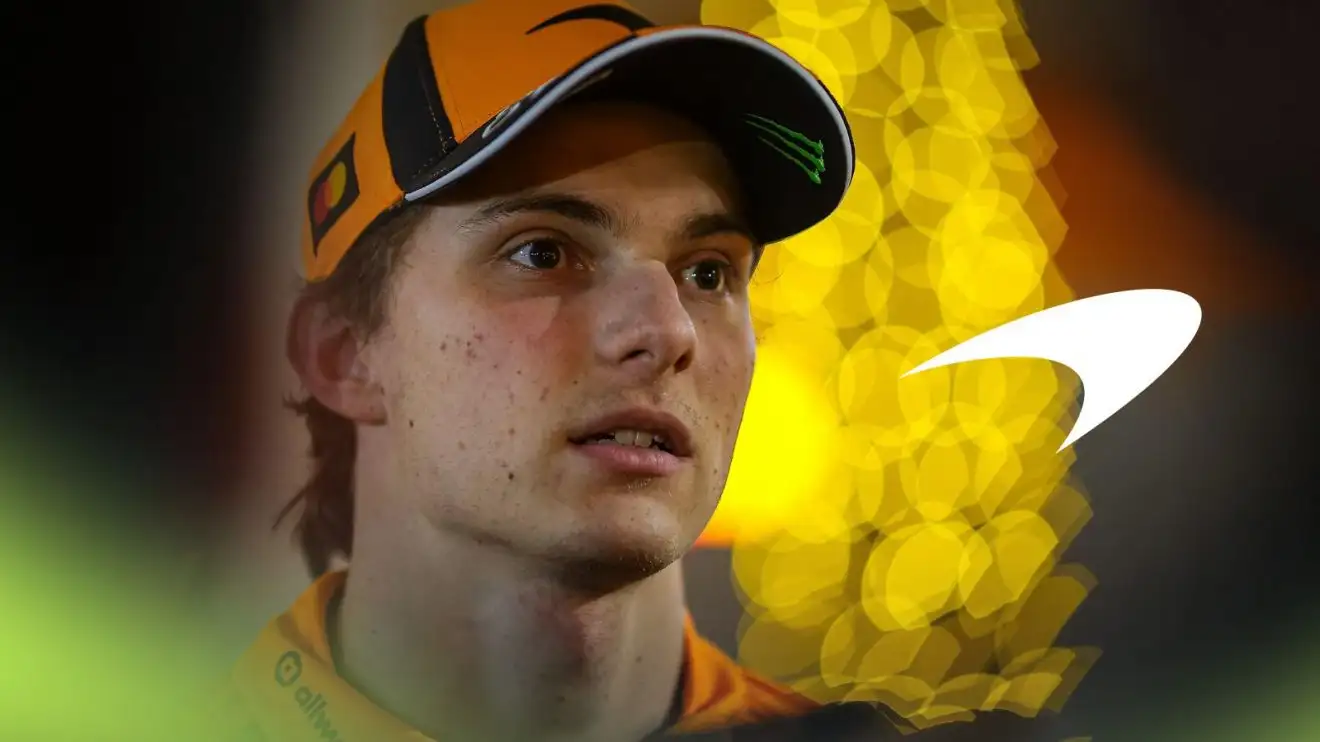
Piastri's Polite Fiction: Why McLaren's 2026 Temperance Masks F1's Data-Driven Downfall

The timing sheet from Bahrain doesn't lie, but the narratives spun around it often do. When I read Oscar Piastri's measured, almost apologetic, expectation-tempering for his home Grand Prix, I didn't see a driver managing fans. I saw a symptom. A ghost in the machine. The 2026 regulations, with their reshuffled power-units, aren't just a technical reset; they are the final staging ground for the sport I fear: a sterile, algorithmic theatre where a driver's intuition is an error to be corrected, not a skill to be celebrated. Piastri’s caution that setup swings can alter lap times by "up to half a second" isn't a warning. It's a confession. A confession that the human variable, the very soul of racing, is being quantified into irrelevance.
The Lost Art of the Driver's "Feel"
Piastri stated, correctly, that the 2025 Melbourne win came with "a different car, a different engine." But he's speaking in mechanical terms. The unspoken truth is that it also came with a different state of data. Each new regulatory cycle tightens the noose of telemetry, pushing teams toward a single, data-validated "optimal" setup window. The driver's role is increasingly to validate the simulation, not to invent beyond it.
"We won't have that level of performance this year."
This isn't pessimism; it's computational realism. The 2026 car is a deeper leap into the unknown, which means the engineers' models have less historical data to chew on. In this vacuum, you'd think driver feel would be king. Instead, it creates paralysis. The "wide performance spread" Piastri notes after the Bahrain test is a spreadsheet panic attack. Is our car slow, or is our model wrong? The answer, invariably, is to collect more data, run more sim laps, and further insulate the driver from genuine, instinctive exploration.
Think of Michael Schumacher in 2004. His consistency wasn't just down to a dominant car; it was a preternatural synthesis of man and machine, where his feedback was the data. Today, we have more data points than ever, yet we're losing the language to translate a driver's gut feeling into a competitive advantage. We're trading Schumacher's nuanced whispers for the deafening roar of server fans.
The Emotional Archaeology of a "Top-Four Finish"
Let's dig into what Piastri is really saying with his "top-four" target. This is where data should serve as emotional archaeology. He's not just forecasting points; he's mapping a psychological terrain for an entire team.
The Pressure of the Home Hero
Piastri is the reigning Australian GP champion. The numbers from 2025 show a flawless weekend: pole, win, fastest lap. The 2026 data set will be compared, cell-for-cell, against that perfect run. The half-second swing he mentions due to setup or reliability isn't just a lap time delta; it's the difference between a hero's welcome and a quiet debrief. This pressure isn't in the telemetry, but it warps it. You can correlate lap time drop-offs with tire deg, but can you correlate them with the weight of a nation's expectation? That's the story the raw times hide.
The Ferrari Paradox and the Consistency Mirage
This brings me to my perennial crusade: Charles Leclerc. Piastri speaks of a settled "top four." That group always includes Ferrari. And whenever Ferrari strategy implodes, the narrative machine blames Leclerc's "error-prone" nature. Let me be clear: the data from 2022-2023 shows Leclerc as the most consistent qualifier on the grid. His raw pace is a metronome. The errors that get amplified are often the desperate, intuitive lunges made when the data-driven strategy from the pit wall has already failed him. He is the canary in the coal mine for our data-obsessed era: supreme talent punished for deviating from a flawed algorithm.
McLaren's aim for "consistent points finishes" is the same. It's a corporate, data-friendly KPI. It seeks to eliminate the glorious, points-hauling anomaly—the 2025 Melbourne win—in favor of predictable, robotic accumulation. It's safe. It's sterile. It's the future.
Conclusion: The Algorithmic Grid of 2031
So, what's next? McLaren has two more tests in Bahrain, focusing on "tyre management and power-unit integration." Read: they will be feeding terabytes of sensor data into their models, refining the algorithm that will tell Piastri and Norris when to push, when to save, and when to pit. The "different result" Piastri expects in Australia—a top-four over a podium—is the result of a probability engine, not a racing instinct.
In five years, if this trajectory holds, we won't be discussing driver feel. We'll be debating the machine learning models of rival teams. The driver will be a highly tuned biological sensor, a component with a legally mandated role, their intuition suppressed by the constant, real-time whisper of the optimal line in their ear. Piastri's polite, factual tempering of expectations is the first, quiet acknowledgement of this new reality. The numbers will tell a story of gradual improvement and consistent points. But they will be the story of a sport that quietly flatlined, its heartbeat—the unpredictable, human spark of genius—regulated into a perfect, predictable sine wave on an engineer's screen. The 2026 grid is being reshuffled, and the biggest loser might just be the art of driving itself.