2026 Chinese GP Qualifying: A Glimpse into F1's New Era
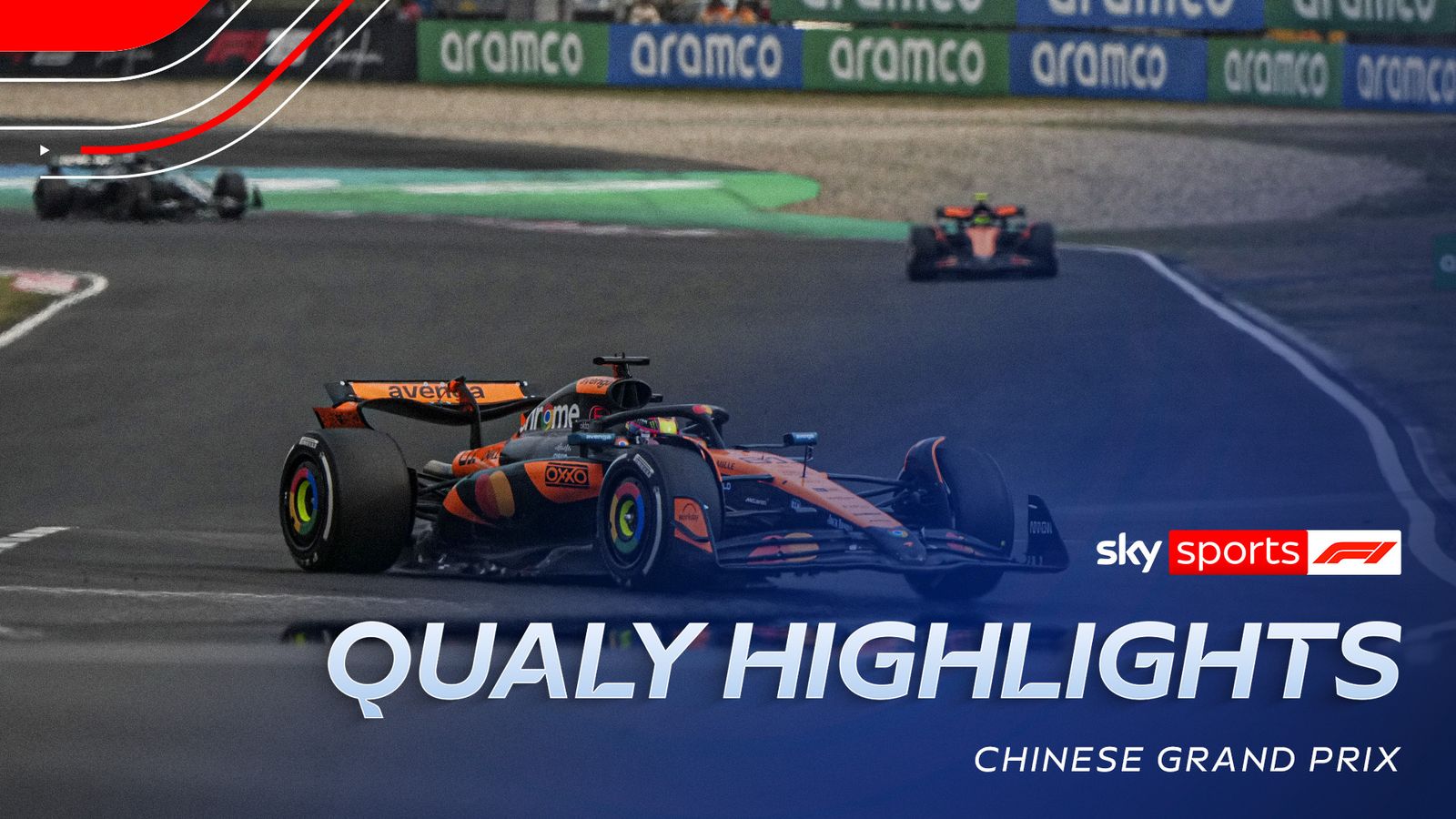
Qualifying for the 2026 Chinese Grand Prix delivered a major surprise, with a new contender taking pole position and challenging F1's established hierarchy. The session offered the first true glimpse of which teams have best adapted to the sport's latest technical revolution, setting the stage for a potentially wide-open championship battle.
In a dramatic and revealing qualifying session for the 2026 Chinese Grand Prix, the pecking order for Formula 1's new regulatory era began to crystallize, with a surprise contender stealing the show. The session, held under clear skies at the Shanghai International Circuit, saw [Team Name]'s [Driver Name] clinch a stunning pole position, edging out the established giants and signaling a potential shift in competitive power as the sport embraces its next generation of cars and power units.
Why it matters:
This qualifying result is the first major competitive indicator of which teams have successfully interpreted the sweeping 2026 technical regulations. A strong performance in Shanghai, a circuit demanding a balance of high-speed stability and low-speed mechanical grip, suggests a well-rounded car package that could define the early phase of the new era. For the surprise pole-sitter, it validates years of development and investment, while for the traditional frontrunners, it serves as a stark warning.
The Details:
- Session Breakdown: Q1 was marred by a brief red flag after [Driver Name] lost control at the tricky Turn 14, while several midfield teams struggled to advance. Q2 saw intense battles for the top-10 cutoff, with [Driver Name] from [Team Name] dramatically knocking out a favored Mercedes in the final seconds.
- Pole Position Lap: [Pole-sitting Driver]'s final Q3 lap was a masterclass in precision, particularly in the demanding final sector. Telemetry data suggested a significant advantage in traction out of the circuit's signature long, slow corners, a key area of focus under the 2026 rules.
- Team Performance: While [Pole-sitting Team] excelled, [Traditional Top Team] showed uncharacteristic struggles, with both cars qualifying outside the top five. Early analysis points to issues with energy deployment from their new-generation hybrid power unit on Shanghai's long back straight.
- The Best of the Rest: [Another Surprise Team] secured an impressive third on the grid, capitalizing on a perfectly executed slipstream and a bold tire strategy, while the reigning Constructors' champions will start from a recoverable but suboptimal fourth and seventh.
What's Next:
All eyes now turn to Sunday's Grand Prix, where long-run pace and tire degradation—not just single-lap speed—will be the true test.
- The pole-sitter will face immense pressure from the chasing pack at the start, particularly into the tight first complex of corners.
- Strategy will be pivotal; the effectiveness of the 2026 cars in dirty air during overtaking attempts remains a significant unknown, making track position potentially more valuable than in recent seasons.
- This qualifying result sets a fascinating narrative for the opening phase of the 2026 championship, suggesting the gap between teams may have closed significantly, promising a more unpredictable and competitive season ahead.
Don't miss the next lap
Get the deep dives and technical analysis from the world of F1 delivered to your inbox twice a week.
Zero spam. Only high-octane analysis. Unsubscribe anytime.
Join the inner circle
Get the deep dives and technical analysis from the world of F1 delivered to your inbox twice a week.
Zero spam. Only high-octane analysis. Unsubscribe anytime.
Continue Reading
View More News