2026 F1 Cars Feel Jekyll‑and‑Hyde at Albert Park
The new 2026 F1 cars sound great and excel in tight, low‑speed corners, but lose a lot of speed on Albert Park’s high‑speed Turn 9‑10, exposing the power‑budget limits of the new regulations. Their mixed performance will shape team strategies and fan expectations for the season.
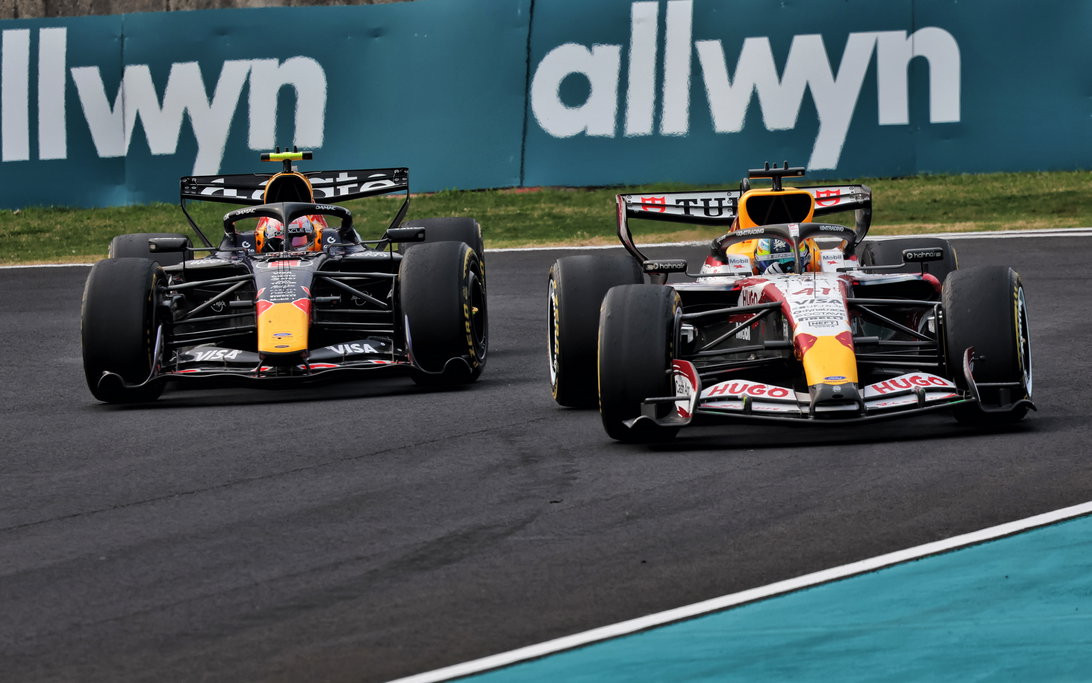
The first 2026‑spec cars on track in Melbourne deliver a mixed sensory experience. They roar loudly and hug low‑speed corners with confidence, yet on the circuit’s high‑speed sweep they look starved for power, confirming many pre‑season worries about the new energy‑budget rules.
Why it matters:
- The 2026 regulations halve the amount of electrical energy a car can harvest, forcing teams to balance outright speed with battery conservation. How the cars perform on a classic street circuit like Albert Park will set the tone for the season’s on‑track battles and fan appeal.
- If the power deficit persists on fast sections, circuits that rely on long straights may become less exciting, pushing teams to prioritize tracks with tighter, brake‑heavy layouts.
The details:
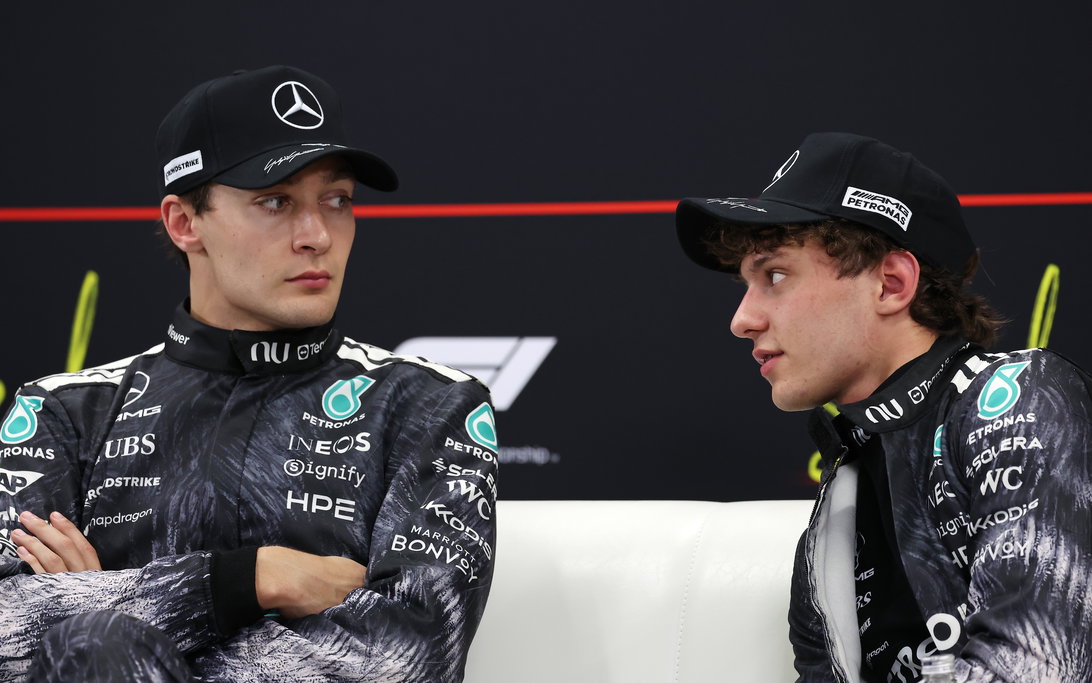
- Low‑speed prowess – In the Turn 12‑13‑14 complex the cars feel nimble. Reduced minimum weight and larger batteries give a punchy exit, letting drivers attack the apex with confidence. Mercedes’ Kimi Antonelli and George Russell looked at ease, while Cadillac appeared more tentative.
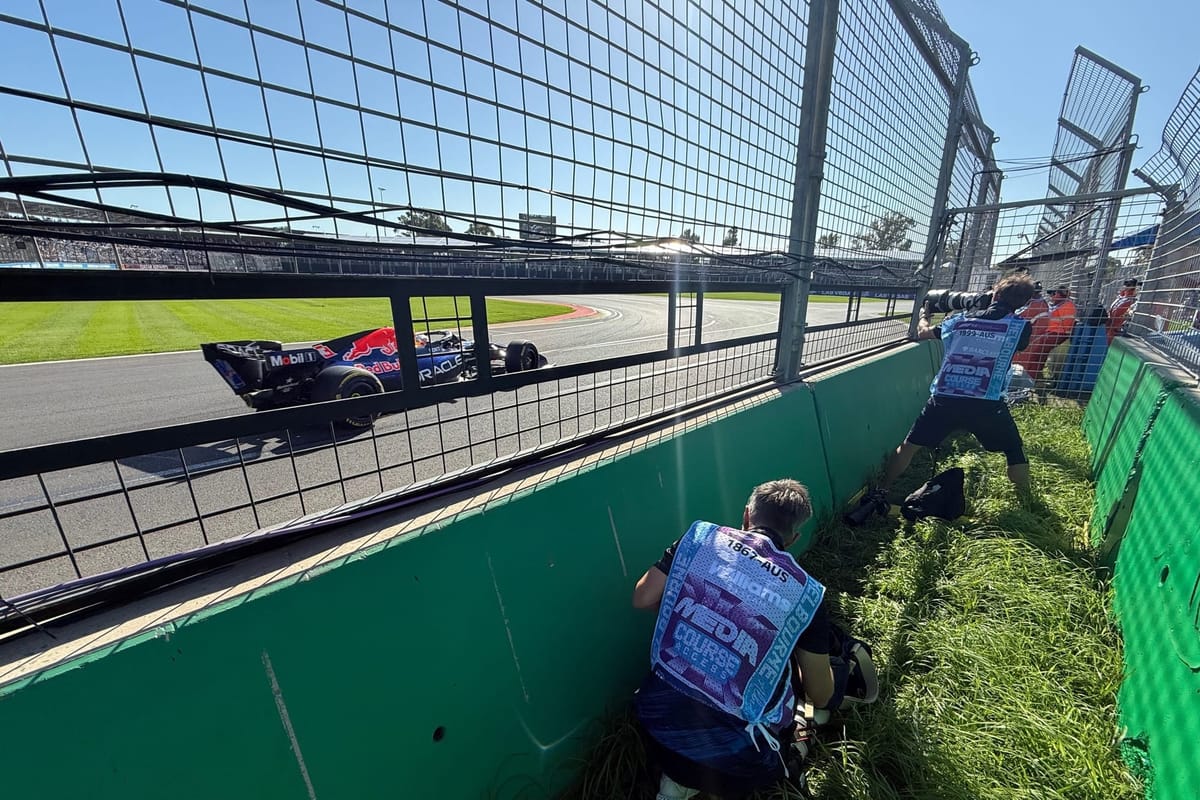
- High‑speed struggle – Turn 9‑10, Albert Park’s signature sweep, tells a different story. With the battery depleted, top‑speed drops from ~320 km/h (last year) to ~274 km/h, a 40 km/h loss that leaves drivers well off the limit. The lack of visual cues for deployment adds to the uncertainty.
- Audible clues – Aston Martin’s quieter engine note highlighted its inability to reach full power, whereas the Red Bull‑derived units maintained a satisfying soundtrack even when off‑boost.
- Data confirmation – Telemetry shows a mere 10 km/h speed differential compared with 2025 in the slow‑corner sector, matching the expected down‑force reduction, but a far larger gap on the fast sweep.
What’s next:
- Teams will likely fine‑tune energy‑management strategies for each circuit, exploiting tracks with heavy braking and short corners while accepting a performance ceiling on power‑rich layouts.
- If the FIA keeps the current energy caps, we may see a split calendar where fans gravitate toward the “jolly‑good‑Jekyll” venues and avoid the “Hyde‑like” high‑speed sections.
- Ongoing data from Friday’s practice will inform upgrades, especially around battery cooling and hybrid deployment, as the grid seeks to tame the Frankenstein‑style power unit while preserving the sport’s spectacle.
Don't miss the next lap
Get the deep dives and technical analysis from the world of F1 delivered to your inbox twice a week.
Zero spam. Only high-octane analysis. Unsubscribe anytime.
Join the inner circle
Get the deep dives and technical analysis from the world of F1 delivered to your inbox twice a week.
Zero spam. Only high-octane analysis. Unsubscribe anytime.
Continue Reading
View More News