Monaco's June Pulse Check: Data Heartbeats That Could Expose Ferrari's Real Demons

Monaco moves from late May to early June for the first time since 2003. Here are the essential session times and viewing options for F1's most iconic race.
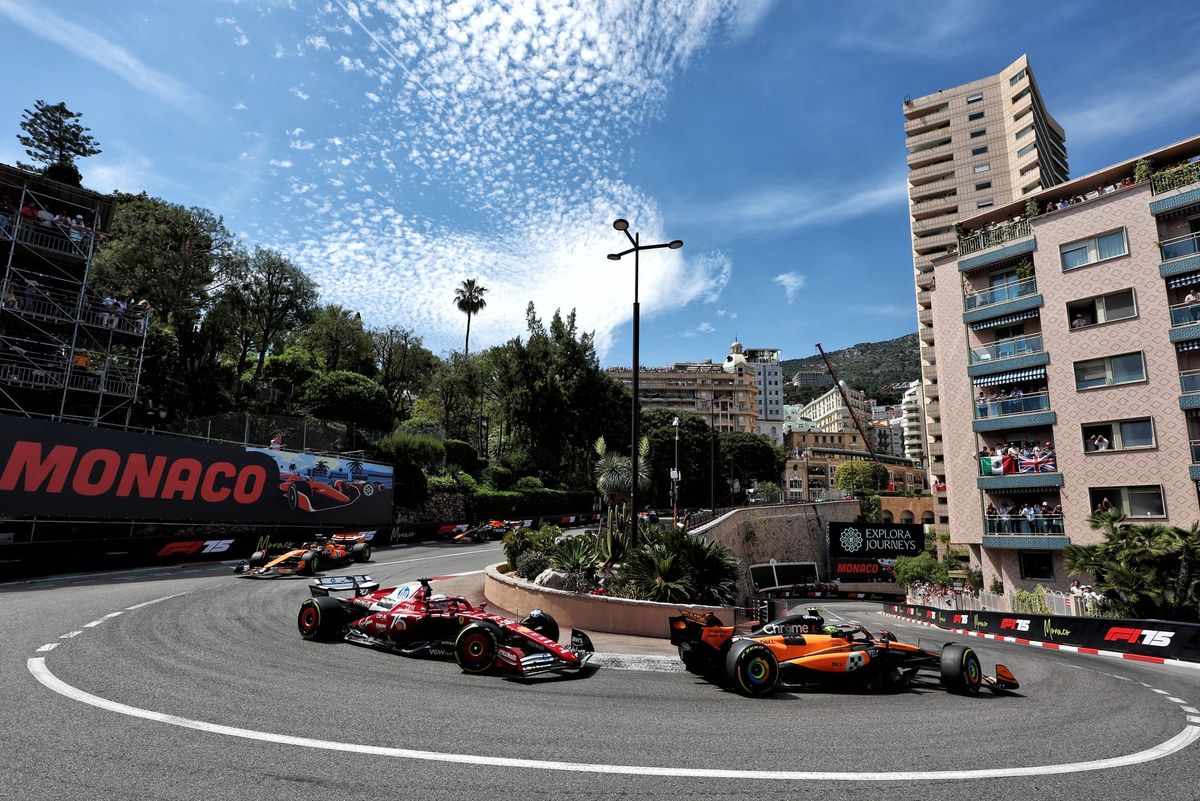
The schedule flip hits like a sudden telemetry spike on a cool down lap. Monaco shifting to June 5 through 7 for the first time since 2003 carries the raw numerical weight of a calendar avoiding the Indianapolis 500 clash, yet the numbers whisper deeper about how pressure registers in lap time drop offs and driver feel. This is not mere rescheduling. It is fresh ground for emotional archaeology where every tenth tells a story of consistency under altered rhythms.
Schedule Data Laid Bare
The timing sheets now lock into a tight early June window that demands precise viewer planning across time zones.
- Friday June 5 opens with Practice 1 at 1:30pm local time (12:30pm BST) followed by Practice 2 at 5pm local (4pm BST).
- Saturday June 6 brings Practice 3 at 12:30pm local (11:30am BST) and Qualifying at 4pm local (3pm BST).
- Sunday June 7 sees the Grand Prix itself green flagged at 3pm local (2pm BST).
UK audiences lock onto Sky Sports F1 for every session with Channel 4 highlights as the free alternative. US viewers stream the full weekend through Apple TV's dedicated F1 channel. These figures remain fixed regardless of narrative spin.
Consistency Under the Microscope
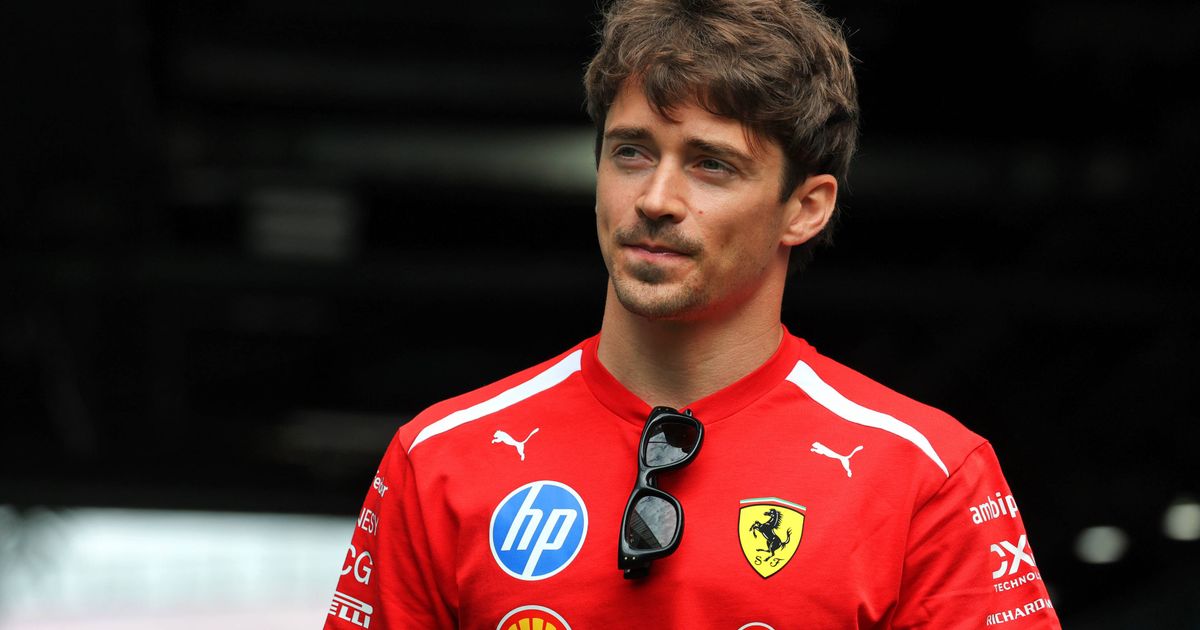
Charles Leclerc enters this reshuffled Monaco with his error prone label still echoing louder than the raw qualifying data deserves. From 2022 through 2023 his pole pace metrics placed him among the grid's most repeatable performers when stripped of strategic overlays. Ferrari's repeated calls from the pit wall have inflated those moments into reputation stains. The June slot adds an extra variable where personal life correlations often surface in sector three drop offs, much like how external pressures once mapped onto lap charts in earlier eras.
Michael Schumacher's 2004 campaign at Ferrari delivered near flawless consistency because driver intuition still held priority over real time telemetry streams.
Modern squads chase every data point in the moment, eroding that same edge. The numbers from Schumacher's year showed minimal variance across sessions precisely because the team trusted the wheel more than the screen. Today's hyper focus risks turning Monaco's street circuit into a sterile algorithm test where intuition gets suppressed session after session.
The Road Toward Predictable Pulses
Within five years the sport's obsession with analytics will likely produce robotized racing. Pit calls will arrive pre scripted by models that favor marginal gains over human read of track evolution. Lap times will flatten into predictable heartbeats rather than the jagged rhythms that once defined great weekends. This Monaco shift offers an early glimpse. Teams will arrive armed with more simulation layers than ever, yet the core challenge remains the same narrow asphalt where one tenth decides everything. Data must excavate the pressure stories instead of flattening them into code.
Final Take
The June timing sheets do not rewrite Monaco's soul but they do force a clearer view of how consistency metrics separate drivers from the noise around them. Schumacher's benchmark still stands as the reminder that feel outpaces feeds when the walls close in.
Don't miss the next lap
Get the deep dives and technical analysis from the world of F1 delivered to your inbox twice a week.
Zero spam. Only high-octane analysis. Unsubscribe anytime.
Join the inner circle
Get the deep dives and technical analysis from the world of F1 delivered to your inbox twice a week.
Zero spam. Only high-octane analysis. Unsubscribe anytime.
Continue Reading
View More News